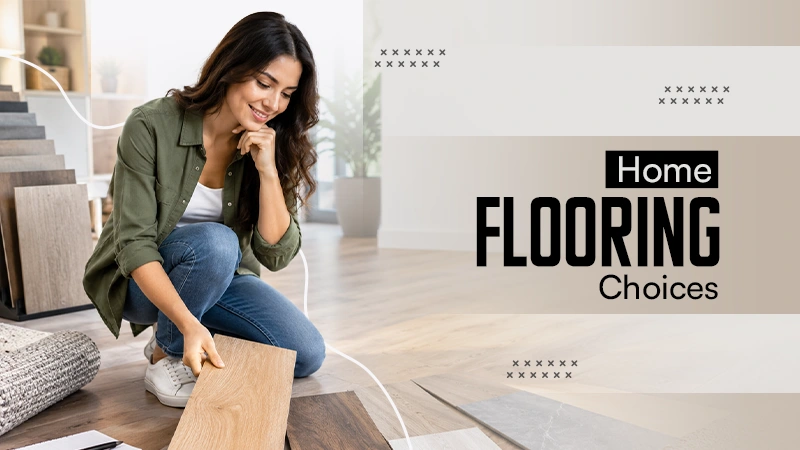
Luxury vinyl plank (LVP) and luxury vinyl tile (LVT) are both the best products in this regard. They are 100% waterproof, thus offering a highly durable flooring option.

The Best Waterproof Flooring Options with Key Features, Alternatives, Handy Tips, and More!
The best waterproof flooring options include tile flooring, stone or sealed concrete flooring, luxury vinyl flooring, waterproof laminate flooring, and waterproof engineered hardwood. These are the top options for you to consider for water-exposed areas in your home. Also, don’t confuse the concept of waterproof with water-resistant. These are two different categories, which are explained below in detail. By the end of this read, you will have learned which flooring option is the best for which part of your home.
Table of Contents:
- Key Features of the Best Waterproof Flooring
- What is the Difference Between Waterproof and Water-Resistant Flooring?
- Best Waterproof Flooring Options
- Best Waterproof Flooring Comparison Table
- Water-Resistant Flooring Alternatives
- Where Should We Use Waterproof Flooring?
- Key Factors to Consider While Choosing the Best Waterproof Flooring
- Installation Methods for the Best Waterproof Flooring
- Tips for the Best Waterproof Flooring for Bathroom
- Conclusion
- FAQs
Key Features of the Best Waterproof Flooring
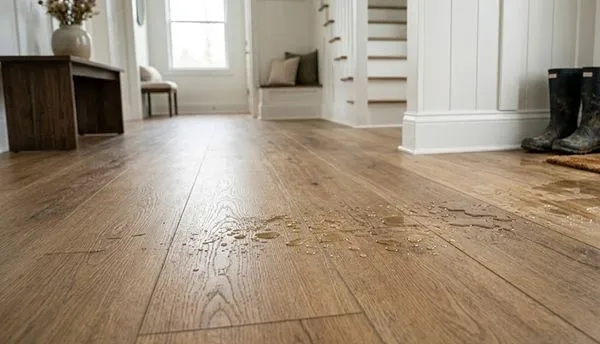
The key highlights of the waterproof flooring are as follows. It includes no seeping, non-porous materials, tight locking, no damage, and high durability. As a result, you get the benefit of low maintenance.
- No seeping: Water doesn’t enter the surface of the floor or its seams. That means full water protection. The floor becomes damage-proof from accidental spills and humidity.
- Non-porous materials: The best waterproof flooring options are made with this material type. So, water spills or moisture from the atmosphere doesn’t have a chance to reach the sub-floor.
- Tight locking: All the seams in a waterproof floor are tightly joined.
- No damage: Due to the prevention of water, the floor doesn’t swell, peel or warp.
- High durability: Such flooring comes with high resistance and stability. No replacement is required for years!
- Low maintenance: It is a one-time investment. You won’t have to ensure frequent repairs, saving huge costs. You can consider this option if you are spending a lot of money on refinishing timber floors.
What is the Difference Between Waterproof and Water-Resistant Flooring?
In short, waterproof flooring offers a higher level of water protection than water-resistant flooring.
Let’s explore both flooring types separately.
- Waterproof flooring: It can handle full water exposure for extended hours. And, there will be no damage at all. This type of flooring comes packed with excellent water-holding capabilities without allowing it to seep into the core. The most expensive houses in America, therefore, prefer this option for flooring.
- Water-resistant flooring: This can handle water and prevent it from seeping in, but for a very limited time. If a spill happens and you clean it in time, no need to worry! But if the water on the floor is left untreated, the floor will eventually absorb it all, deforming over time.
Knowing this difference can make or break your flooring decision.
Also Read: Construction Safety Checklist: A Brief Walking Through OSHA-Supported Safety Guidelines!
Best Waterproof Flooring Options
The most commonly mentioned and used flooring options in the context of water proofing are listed below.
- Tile Flooring
- Stone or Sealed Concrete Flooring
- Luxury Vinyl Flooring
- Waterproof Laminate Flooring
- Waterproof Engineered Hardwood
That is what is the best waterproof flooring list looks like. For further elaboration, consider the following sections.
1. Ceramic and Porcelain Tile Flooring
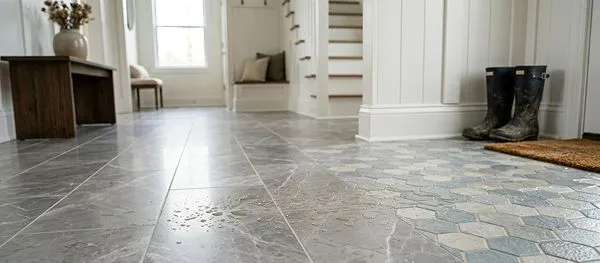
In the discussion about the waterproof flooring option, the first quality choice is tile flooring. Tiles made out of ceramic and porcelain materials keep water and moisture 100% out! So, you enjoy high durability. This option is super good for bathrooms, laundry rooms, kitchens, and other high-moisture places in your home.
Insight: This is ultra-easy to clean as well.
2. Stone or Sealed Concrete Flooring
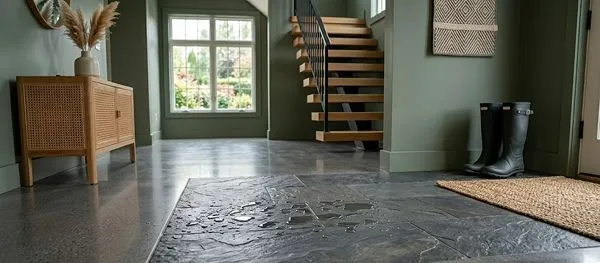
Stone or sealed concrete materials also produce the best water resistant flooring. It is not just highly waterproof but highly durable as well. It will last for a very long period of time. Choose this for your basement areas, entryways, and kitchens where foot traffic and moisture exposure are high!
3. Luxury Vinyl Flooring
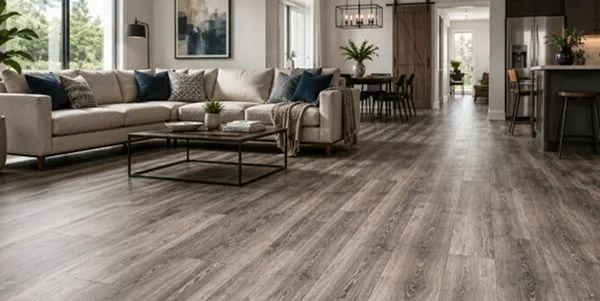
If you ask “What is the best waterproof scratch resistant flooring?”, this is the answer. Choose the luxury vinyl flooring for both water as well as scratch proofing. Most commonly, it is known as LVP, which stands for luxury vinyl plank. Here, you will get a genuine wood or stone-like appearance without compromising on durability!
DIY: LVP materials are most preferred by DIY enthusiasts. It can be used for ADUs, sheds, or even garage apartment plans.
4. Waterproof Laminate Flooring
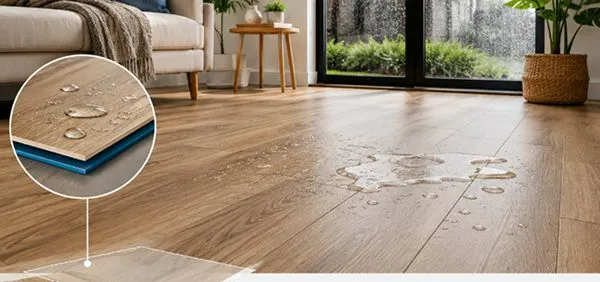
This is also the best option, but don’t use it for bathroom, kitchen, and basement areas. Where moisture likelihood is higher! That is because it is not ideal where water is easily available, though a few accidental spills are perfectly fine. Furthermore, there is a surface layer that comes with high resistance to scratches and stains.
So, it can be the best waterproof wood flooring for spaces, like living rooms, dining rooms, bedrooms, etc.
5. Waterproof Engineered Hardwood
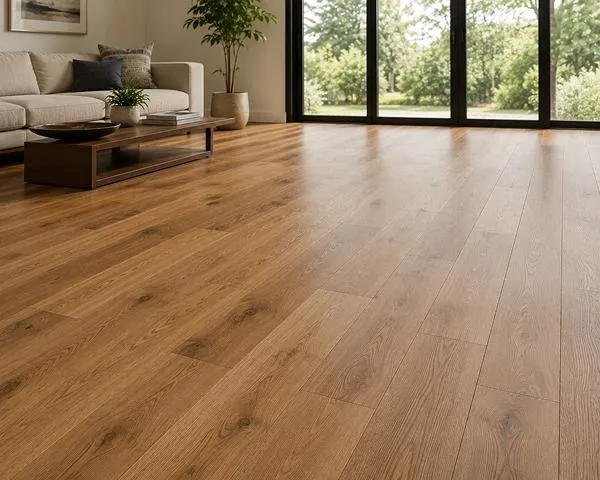
Hardwood looks great inside homes, but this is not for people looking for the most durable waterproof flooring. Wood isn’t waterproof, and thus your floor will get deformed in a few months. That is why there is the option of waterproof engineered hardwood. You get the beauty of the real wood and satisfactory protection from water damage!
Best Waterproof Flooring Comparison Table
The key comparison among waterproof flooring options is drawn below based on waterproof level, durability, lifespan, and typical price range. For more, refer to the following table.
| Flooring Type | Waterproof level | Durability | Lifespan | Typical Price Range (per sq. ft.) |
| Tile Flooring | 100% waterproof | Extreme | 50+ years | $5–$10 |
| Stone or sealed concrete flooring | With proper sealing, 100% water proof | Extreme | 50+ years | $6–$12 |
| Luxury vinyl tile | 100% waterproof | High | 20 to 30 years | $3–$7 |
| Waterproof laminate flooring | Fully waterproof core | High | 15 to 25 years | $3–$6 |
| Waterproof engineered hardwood | Highly water-resistant | Moderate | 20 to 30 years | $6–$12 |
Also Read: How Much is a Water Softener? Consider an In-Depth Analysis from all the Major Perspectives!
Water-Resistant Flooring Alternatives
Now, let’s explore water-resistant flooring alternatives, like standard laminate flooring, engineered hardwood, cork flooring, etc. If you cannot afford the best waterproof flooring choices we have compared above, you can explore these for moderate water protection and high aesthetics.
| Types | Explanations |
| Standard laminate flooring | It contains a durable protective layer and is best for a little water exposure. |
| Engineered hardwood | It comes with a real wood cover (or veneer) with a stable core. Here, you get more protection from humidity and temperature changes than from solid hardwood. |
| Cork flooring | With proper sealing and tight joints, it provides fairly high protection from water. Thus, you can use it in living and office spaces. |
| Bamboo flooring | This option resists moisture better than traditional hardwood. |
| Linoleum flooring | If you need moisture resistance with a warm, cozy feel underfoot, this is the best option. However, make sure that the seams are tightly sealed. |
These alternatives can be used in all types of houses where the budget is tight.
Where Should We Use Waterproof Flooring?
Where to use waterproof flooring entirely depends on the water exposure frequency. If the floor gets a lot of moisture, you should definitely use ceramic or porcelain tiles. And, if water exposure is minimal, you can comfortably go with water-resistant laminate.
| Room | Water/Moisture Exposure | Recommended Materials | Options to avoid |
| Bathroom | High | Tile (ceramic or porcelain), sealed stone, LVP/LVT (best waterproof scratch proof flooring) | Solid hardwood |
| Laundry room | High | LVP/LVT, tile, waterproof laminate | Engineered hardwood |
| Kitchen | Moderate | LVP/LVT, waterproof laminate, tile (best waterproof flooring for kitchen) | Solid hardwood |
| Basement | High (due to persistent moisture) | Sealed concrete, tile, LVP/LVT | Wood flooring |
| Entry/mudroom | Moderate to high (as per foot traffic) | Tile, sealed stone, LVP/LVT | Standard laminate |
| Living room/family room | Low | Engineered hardwood, standard laminate, cork | Carpet in damp climates |
| Bedroom | Minimal | Engineered hardwood, bamboo, linoleum | Tile, concrete |
| Dining room | Occasional | Water-resistant laminate, engineered hardwood | Solid hardwood, especially in high humidity |
Key Factors to Consider While Choosing the Best Waterproof Flooring
The list of key factors is provided below. It includes major considerations, such as moisture level, durability, slip resistance, maintenance requirements, looks, and budget.
- Moisture level: You must know in advance how much water exposure a particular surface has to face. Choosing a wooden floor for a basement or bathroom will cause the floor to deform in a few weeks.
- Durability: Many homeowners want to invest in long-lasting materials. In that case, stone, concrete, or ceramic-based products are the best.
- Slip resistance: Don’t choose a material that will become highly slippery after water exposure! Choose a firm flooring option, as is the case with most concrete surfaces.
- Maintenance requirements: If you choose natural stones, you will have to engage in regular sealing for optimal protection. However, vinyl flooring doesn’t require that. So, choose based on your time, money, and effort-making capacity.
- Looks: Never select any flooring material without giving due consideration to your interior design, patterns, and objects.
- Budget: Get the typical cost of all types of flooring options available. Then, compare prices and see which one you can afford. If the water exposure is low, you can even use any of the alternatives discussed above as water resistant flooring options.
Installation Methods for the Best Waterproof Flooring
Click-lock floating, glue-down, mortar-set, and epoxy are the four popular methods to install the best waterproof flooring materials we have discussed so far.
| Installation Method | Best For | DIY Difficulty | Estimated Labor Cost (per sq. ft.) |
| Click-lock floating | LVP, waterproof laminate | Easy to moderate | $1.50 to $3.00 |
| Glue-down | Sheet vinyl, glue-down LVP | Moderate | $1.00 to $3.00 |
| Mortar-set (thin-set) | Porcelain tile, ceramic tile, stone | Difficult | $5.00 to $15.00 |
| Epoxy | Concrete floors | Moderate to difficult | $3.00 to $7.00 |
Click-Lock Floating Floors
Do you know this installation method is used by most LVP and waterproof laminate products? That is because it helps lock two planks together without glue, nails, or any other type of adhesive material. Additionally, this method is popular as well because it is the most DIY-friendly.
Glue-Down Installation
This method is chosen to create a stronger bond with the subfloor when using LVP and sheet vinyl. That reduces the chance of water seeping into the floor manifold. Due to its proficiency, this installation option is mostly selected in commercial and high-water-exposure residential construction.
Also Read: 2 Bedroom House Plans & Key Considerations Regarding Suitability, Costs, Limitations, & More!
Tips for the Best Waterproof Flooring for Bathroom
The most handy advice involves style & color, wear layer, installation style, and budget. These are briefly explained below with respect to deciding on the best water-protective flooring for the bathroom.
- Style & color: If you choose a shade that goes well with your bathroom’s existing features, it will complement the space after installation.
- Wear layer: Select a higher mil level, either 12 mil or greater, if you want high durability. That becomes even more important in high-traffic bathrooms.
- Installation style: If you are going to complete it yourself as a DIY project, LVP products are the best. That is so because these materials come with easy-to-install click-lock systems.
- Budget: Make sure you compare prices in advance. It is an essential practice to manage your limited finances better. The best waterproof floors are always the ones that you can afford.
Conclusion
The best waterproof flooring options are ceramic and porcelain tiles, stone or sealed concrete flooring, luxury vinyl flooring, waterproof laminate flooring, and waterproof engineered hardwood. Out of these, vinyl floors are the easiest to install and provide 100% water protection. They are DIY-friendly! That means you can save labor costs if you love construction DIY projects at home.
FAQs
What type of flooring is 100% waterproof?
What flooring is completely waterproof?
Porcelain or ceramic tile, vinyl, and sealed concrete are the best options. All three of these will provide you with complete protection against moisture-related damage.
Which is better, waterproof laminate or vinyl plank?
Vinyl planks are better! That is because it is easy to install and also offers 100% water protection. However, it might cost more than the option of waterproof laminate.
Sources:
Builders Interiors: The Best Waterproof Flooring Materials for Long-Lasting Protection
HomeGuide: What is the best waterproof flooring?
Related Posts