Start by measuring your backyard and thinking about how you plan to use it. Choose furniture that fits the available space, feels comfortable, and suits your family’s daily needs.

How to Choose Outdoor Furniture That Makes Your Home More Comfortable
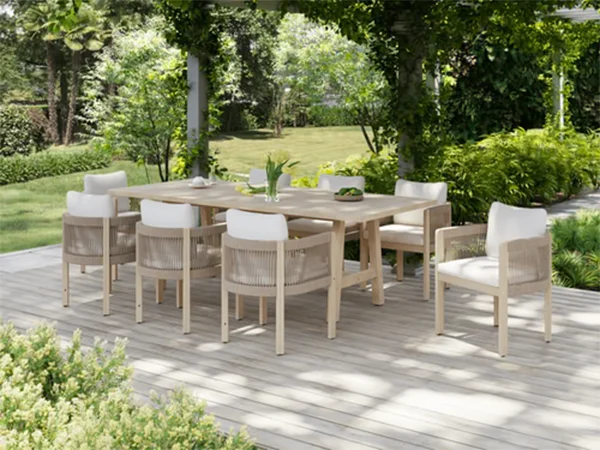
A backyard may look beautiful from the kitchen window, but that does not always mean it feels comfortable when you step outside. Perhaps the chairs are too far apart to enjoy a good conversation, or the dining table gets in the way when someone wants to reach the grill.
Small things like these can make an outdoor space less enjoyable than it should be. The furniture you choose plays a big part in how often you use your patio and how much you enjoy spending time there. Instead of simply picking furniture that looks good together, think about how you and your family use the space every day. Consider the size of your backyard, the number of people who will use it, and the kind of weather it gets. This will help you choose furniture that looks good, feels comfortable, and works well throughout the year.
Table of Contents:
Start With What You Actually Do Outside
Think about a normal week before planning for a holiday cookout. Do you drink coffee outside each morning, supervise kids in the yard, or invite neighbors over for dinner? A pair of comfortable chairs and a small table might serve daily use better than a six-person dining arrangement.
Daily family needs should also play a part in choosing outdoor furniture. If you have young children, look for furniture with rounded edges and surfaces that are easy to clean. If older family members visit often, choose chairs with good back support, strong armrests, and a seat height that makes it easier to sit down and get up. These small details can make your outdoor space more comfortable and useful for everyone.
Browsing Jardina outdoor furniture alongside other styles can help you compare seating arrangements, but decide which activities deserve space before settling on a set.
Measure for Movement, Not Just Furniture
A table that technically fits on a deck may still leave no room to pull back a chair. Measure the available space and take note of doors, steps, railings, planters, and the paths people use to move around the yard.
As a general guide, leave about 36 inches for the main walking path. Dining chairs also need enough room behind them to move in and out, especially when someone needs to walk past while others are sitting. Before placing an order, use painter’s tape or cardboard to mark where the furniture will go.
Proportion matters as much as measurements. A deep sectional can dominate a narrow terrace, while separate chairs can be moved around when guests come. On a bigger deck, grouping seating around a coffee table often feels more welcoming than lining everything against the railing.
Compare Comfort, Materials, and Weather Exposure
Comfort is difficult to judge from photographs. If possible, sit in a chair long enough to notice its seat depth, back angle, and arm position. Cushions should support you without making the seat so high that your feet dangle. Removable covers make spills easier to handle.
Every material has its own pros and cons. Powder-coated aluminum is light and does not rust easily, but its outer finish can get scratched. Teak wood works well outdoors, but its color changes over time when exposed to the weather. It may also need some care to keep its original look. Resin wicker is a good option if you want to avoid some of the problems that come with natural wicker, but its quality and ability to handle sunlight can vary.
Think about your local climate. Strong sun can fade fabrics; continuous rain makes drainage and cushion drying important; and freezing winters may call for protected storage. No material eliminates the requirement for occasional cleaning.
Check the Details Before Buying
Once you have picked a few styles you like, think about how well they will work during your daily routine and across different seasons. Keeping these five things in mind can help you avoid problems later:
- Confirm dimensions: Include chair movement, recliner extension, and umbrella bases in the layout.
- Test stability: Look for secure joints and feet suited to your deck or patio surface.
- Consider upkeep: Check whether cushion covers are removable and what cleaning the frame requires.
- Plan storage: Plan where you will keep cushions, covers, and foldable furniture during storms or cold winter months.
- Think about flexibility: Lightweight chairs and separate furniture pieces make it easier to move things around whenever needed.
If meals are the priority, compare outdoor dining sets with the actual number of people who eat outside regularly. An extendable table might accommodate occasional guests without taking over the patio every day.
Build an Environment That Feels Good to Use
Furniture should support the way people move between the house and yard. Leave a direct route to the grill, keep seating clear of swinging doors, and avoid placing side tables where someone might trip over them.
Shade is also important when setting up an outdoor space. An umbrella may be enough for a small dining area, while a covered porch can provide better protection from the sun and rain. Choose outdoor lights that make it easy to see steps and table surfaces after dark without being too bright or shining directly into people’s eyes.
A comfortable outdoor space does not need to be filled with furniture in every corner. Choose chairs and tables that fit the space, materials that are easy for you to look after, and leave enough room for people to move around freely. When your furniture suits your family’s daily needs, even a small backyard can become a useful and comfortable part of your home.
FAQs
How do I choose the right outdoor furniture for my backyard?
Which materials are best for outdoor furniture?
Aluminum, teak, and resin wicker are popular choices for outdoor furniture. Each has its own benefits, so consider your local weather, cleaning needs, and how much care you can give the furniture.
How can I make my outdoor seating area more comfortable?
Choose comfortable chairs, add cushions, provide enough shade, and leave clear paths for walking. Good lighting can also make the space more useful and welcoming after sunset.