Consider your room’s architectural style, window shape, frame colors, grid, trim, and hardware. Choose the design that is practical enough still aesthetic in visual appeal.

How to Choose Windows That Complement Your Home's Interior Design
Windows are one of those parts of your house that can make or break its visual appeal. No matter how aesthetic the carpet is, or how brilliant fall ceilings you have built, if the windows are struggling to maintain their appearance and presence, the whole look will be disrupted.
Windows are the largest fixed elements in most of the homes, and they decide how the room will look. The right windows frame the view, pulls in natural light, and echo the lines of the room, but the wrong one does not feel belonging and can make every other element’s appeal dull.
Know how to choose windows that work with your interior design instead of against it, and the right time to replace your windows.
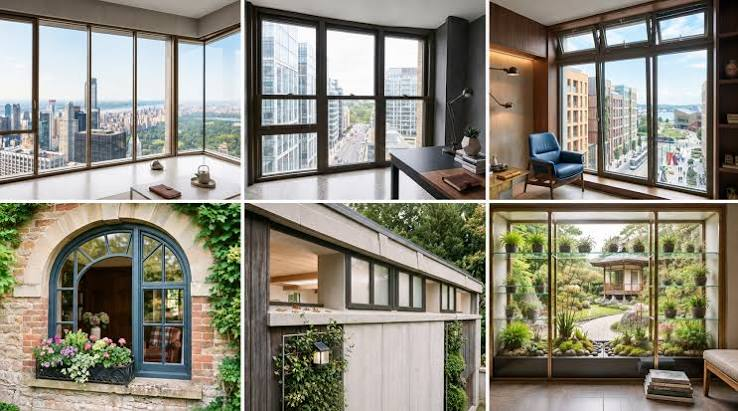
Table of Contents:
- Buyers Want Windows That Perform as Well as They Look
- Start With the Room's Style
- Choose the Operating Style for How the Room Is Used
- Let the Frame Color Work With the Palette
- Think About Grids, Trim, and Hardware
- Working With an Installer Who Understands Design
- Use Windows to Shape Light and Views
- Balance Privacy and Openness
- Don't Forget Performance
- Conclusion
- FAQs
Buyers Want Windows That Perform as Well as They Look
Look for an option that brings good design and good performance together.
According to the National Association of Home Builders’ What Home Buyers Really Want survey, 83 percent of buyers rate ENERGY STAR windows as essential or desirable, 77 percent say the same of triple-pane insulating glass, and 67 percent of low-E glass.
This is important for design because aesthetics matter, but zero functionality often makes it worse. Choose while considering both aspects.
Start With the Room’s Style
Every interior has a visual language, and windows should speak it:
- Traditional and colonial: double-hung windows with divided lites, substantial trim, and classic proportions
- Farmhouse and cottage: simple double-hung or casement units, often with a grid on the top sash only
- Modern and contemporary: large fixed or picture windows, slim frames, minimal or no grids
- Transitional: clean double-hung or casement windows with narrow grids or none, bridging old and new
- Craftsman: casement or double-hung windows with wide flat trim and small upper-sash divisions
Ensure that the window’s lines match the room’s lines. That alone makes a significant impact on refining the overall look.
Choose the Operating Style for How the Room Is Used
Each window has different functions; compare their compatibility and functions before looking at their looks:
- Double-hung: the classic, versatile selection; both sashes move, and the look suits most styles
- Casement: hinged on the side and cranked open, with an unobstructed view and strong ventilation; ideal over kitchen sinks and in modern rooms
- Picture and fixed: no moving parts, maximum glass, best where the view is the point
- Sliding: wide, low-profile, and practical for contemporary spaces and tight exterior clearances
- Bay and bow: project outward to add light, a sense of space, and a window seat; transformative in living and dining rooms
- Awning: hinged at the top, good for privacy and ventilation in bathrooms and basements
Consider what the room will demand from the window before thinking about just looks.
Let the Frame Color Work With the Palette
Choose the frame color wisely; many people do it wrong:
- White suits bright, traditional, and coastal interiors and makes rooms feel larger
- Black or dark bronze adds definition and drama in modern, industrial, and transitional spaces, and frames views like a picture
- Wood tones warm up craftsman, farmhouse, and rustic rooms
- Soft neutrals such as greige or putty blend into rooms with layered neutrals
Before deciding, hold a sample against the trim, the wall color, and the flooring together in daylight and lamplight before deciding.
Think About Grids, Trim, and Hardware
The details are necessary for the final look of the window:
- Grids: divided lites add tradition; no grids maximize the view and suit modern rooms; top-only grids are a flexible middle ground
- Trim: wide, flat casing reads craftsman or modern farmhouse; profiled casing reads traditional; minimal trim reads contemporary
- Hardware: match finishes to the room’s existing metals, such as the lighting, cabinet pulls, and door handles
- Sills: a deep sill adds a place for plants and a sense of solidity
These are essential decisions you should make without any excuse.
Working With an Installer Who Understands Design
A company that will walk through the house with you, talk about trim and sightlines as well as efficiency, and show you the options in the actual room is far more likely to deliver windows that fit the design. Choosing a window and getting it installed are two different skills; installation decides how your selected window will look.
Homeowners planning window replacement in West Chester, PA should look for that kind of consultation rather than a catalog and a quote. Smart Shield Windows offers at-home and virtual walkthroughs to choose styles for each room, covers double-hung, casement, bay and bow, sliding, picture, awning, and specialty shapes, and backs the work with a lifetime labor warranty and free yearly checkups.
Whichever company you use, ask to see frame colors and grid options in your own rooms, and ask how they’ll handle interior trim so the finished window looks built-in rather than bolted on.
Use Windows to Shape Light and Views
Interior design shows its full potential in daylight. Consider these aspects while choosing windows:
- Place picture windows where the view deserves to be the focal point
- Add a bay or bow to a dark living or dining room to pull in light from three directions
- Use casements where ventilation matters more than symmetry
- Consider transoms or taller units to raise the ceiling line visually
- Match sill heights across a wall so furniture and sightlines align
View samples at the times of day you use each room the most, as light changes color.
Balance Privacy and Openness
Balancing privacy and openness is also crucial when placing windows. These options are useful to keep the design intact:
- Higher sill heights in bathrooms and bedrooms
- Frosted or textured glass in select panes
- Glass block for privacy with light
- Window treatments chosen as part of the design, not an afterthought
To make the frame, trim, and covering work as one, decide on treatments at the same time.
Don’t Forget Performance
The design conversation ends badly if the windows underperform. Look for ENERGY STAR ratings for the climate zone, low-E coatings, double or triple glazing, and solid warranties.
The window seat you designed actually gets used in winter, so the efficient windows also keep rooms more comfortable near the glass.
Conclusion
Choosing windows that complement your home’s interior design means starting with the room’s style and matching the window’s lines to it, picking the operating type for how the room is used, selecting frame colors and details that work with the palette and the metals already in the space, shaping light and views deliberately, balancing openness with privacy, and insisting on performance so the design holds up through every season.
Looks and performance now work together, with more than eight in ten buyers wanting efficient windows. Work with an installer who’ll stand in the room with you, and the Sunday-morning view of the maple finally matches the room you spent months getting right without considering what to know before replacing your home windows.
FAQs
How to choose windows that matches with the home’s interior design?
Which window style works best for modern and traditional homes?
Modern homes suits large picture windows, slim frames, and minimal grid. Traditional homes generally works well with, double-hung hung windows and divided lites.
What to consider when placing home windows?
Consider the window’s style, material, energy efficiency, glazing, privacy, ventilation, and warranty. Hire an experienced installer than can place your home windows perfectly.
Related Posts