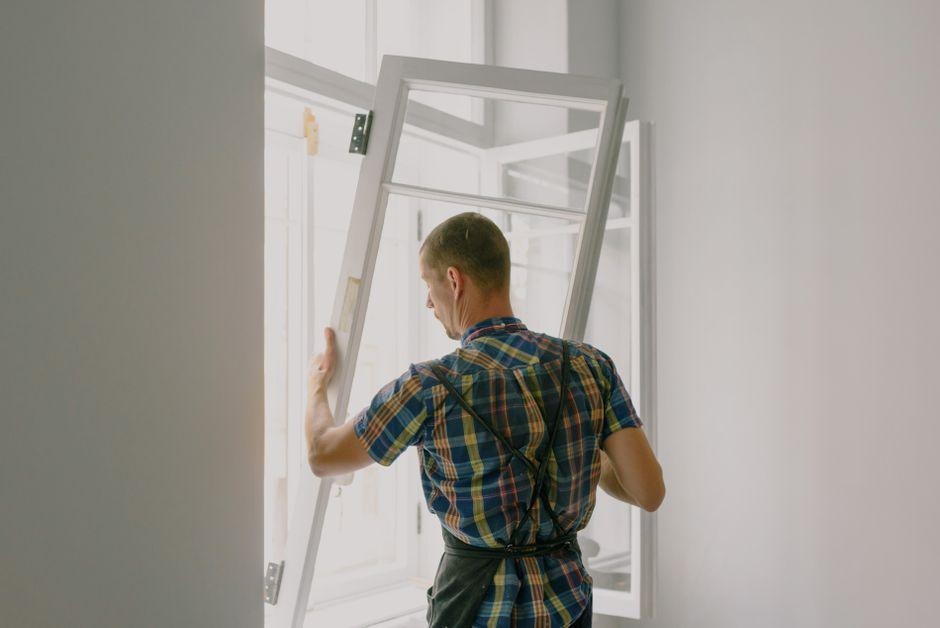
Inspect the windows and look for signs such as uncomfortable drafts, foggy glass panels, or rotting frames. If these signs are visible, then your window needs a replacement.

What to Know Before Replacing Your Home Windows
Your windows do more work than you can imagine. They make your home appear nice from outside, affect energy use, outside noise, and indoor comfort. In Glendale, CA, the median value of homes occupied by owners reached about $1.1 million from 2020 to 2024. This makes exterior improvements an important part of protecting a substantial property investment.
This city has more than 72’000 houses, with roughly 35% of occupied housing units owned. Window performance matters as much as home appearance in Southern California’s warm summers and abundant sunshine.
If you are thinking about window replacement, make sure to remember that factors such as low-E glass, insulation, frame materials, and solar heat control can help in improving comfort and support long-term energy.
Table of Contents:
- Pay Attention to the Problems Your Current Windows Are Already Showing
- The Installer You Choose Can Make or Break the Entire Project
- Understand Which Window Materials Fit Your Climate and Lifestyle
- Glass Packages Matter More Than Most Homeowners Expect
- Style Choices Should Support Function, Not Just Curb Appeal
- Energy Efficiency Ratings Deserve a Closer Look Before You Buy
- Budgeting for Window Replacement Means Looking Beyond Sticker Price
- Prepare for Installation Day and Know What Happens Afterward
- FAQs
Pay Attention to the Problems Your Current Windows Are Already Showing
Before you buy anything, take a hard look at what your current windows are doing badly. Drafts, sticky frames, cracked seals, outside noise, and rooms that heat up too fast all point to performance issues. Sometimes the problem is obvious. Other times, your windows quietly drain comfort and money while pretending everything is fine.
A few signs deserve your special attention:
- – Condensation between panes
- – Noticeable temperature swings near windows
- – Rising heating or cooling costs
- – Frames with warping, rot, or water damage
- – Trouble opening, closing, or locking them
If your home gets direct afternoon sunlight, faded floors or furniture can also signal poor UV protection. That matters in warmer areas where sunlight is less like a guest and more like a permanent roommate.
The Installer You Choose Can Make or Break the Entire Project
A great window installed badly can perform like a bargain-bin mistake. The installation quality of a window can affect water resistance, air sealing, operation, and the window’s lifespan. That makes contractor selection one of the most important parts of the project.
If you’re comparing window companies in Southern California, working with a qualified Glendale window contractor can help you evaluate replacement options suited to local weather conditions, home styles, and energy goals. That local context matters more than many homeowners expect.
When screening installers, look for:
- – Licensing and insurance
- – Product knowledge across brands and materials
- – Clear written estimates
- – Real local reviews
- – Warranty details for labor and product
A polished sales pitch means very little if flashing, fit, and sealing are sloppy. Precision beats charisma every time.
Understand Which Window Materials Fit Your Climate and Lifestyle
Window materials aren’t just a design choice. They often shape maintenance, durability, insulation, and price. Vinyl remains popular because it’s low-maintenance, budget-friendly, and energy-efficient. Fiberglass offers excellent strength and can handle heat changes well. Wood windows look beautiful but usually demand more upkeep, especially if moisture becomes an issue.
When comparing materials, think about your real lifestyle, not your fantasy renovation self. If you know you won’t repaint frames or stay on top of maintenance, wood can become a regret with hinges.
Here’s what to weigh:
- – Local weather exposure
- – How much maintenance you’ll actually do
- – Desired appearance inside and outside
- – Long-term energy savings
- – Upfront installation cost
A strong match between material and climate often saves you trouble long after the install crew leaves.
Glass Packages Matter More Than Most Homeowners Expect
Many homeowners focus on the frame and forget that the glass also does a huge work. Modern window glass can reduce heat transfer, block UV rays, and improve comfort in ways older windows simply can’t. Low-E coatings, double-pane construction, gas fills, and tempered glass all serve different purposes.
If you live somewhere sunny, heat control should be at the top of your list. The right glass package can help rooms stay cooler without overworking your AC. In noisy neighborhoods, upgraded glazing can also cut down sound intrusion, which feels small until you’re trying to sleep while traffic performs its nightly concert.
Ask about:
- – U-factor for insulation performance
- – Solar heat gain coefficient for sun control
- – Visible transmittance for natural light
- – Noise reduction features
- – Safety glass in required areas
The smartest choice usually balances comfort, efficiency, and the way you actually use each room.
Style Choices Should Support Function, Not Just Curb Appeal
Yes, your new windows should look good. No argument there. Still, appearance alone shouldn’t drive the whole decision. Different window styles change ventilation, maintenance access, and usability in everyday life. A picture window can open up a room visually, but it won’t help airflow. Double-hung windows are familiar and versatile, while casement windows often seal tightly and open wide.
Think room by room. In a kitchen, you may want a style that’s easy to operate over a sink. In a bedroom, egress and ventilation matter. In a living room, using larger glass areas may improve natural light.
Consider these practical questions:
- – Do you want more airflow or more glass?
- – Will the window be hard to reach?
- – Do you need easy cleaning from indoors?
- – Is privacy a concern?
- – Does the style match your home’s architecture?
A good-looking choice that also works well feels much better than a pretty inconvenience.
Energy Efficiency Ratings Deserve a Closer Look Before You Buy
Window labels can feel like alphabet soup, but they’re more useful once you know what to watch. Ratings from the National Fenestration Rating Council help you compare products based on measurable performance. You don’t need to become a building science expert, though a little fluency helps you avoid marketing fluff.
The key is to connect ratings with your weather. In hotter regions, lower solar heat gain can be more valuable than in cooler areas. In mixed climates, a balanced package usually works best. A cheap window with weak efficiency ratings may cost less now and annoy you for years.
Keep your eye on:
- – U-factor
- – Solar heat gain coefficient
- – Air leakage ratings
- – Condensation resistance
- – ENERGY STAR qualification
Treat efficiency as a long-term investment, not a bonus feature buried in the brochure fine print.
Budgeting for Window Replacement Means Looking Beyond Sticker Price
The lowest quote can be tempting, especially when replacing multiple windows. Still, cost should include more than the product itself. Labor quality, warranty coverage, customization, disposal of old units, and possible repair work around openings all affect final value.
Ask for itemized estimates so you can see what’s included. One contractor may quote a lower price but leave out trim work, permit handling, or higher-performing glass. Another may cost more upfront while offering better durability and a stronger labor warranty.
A realistic budget should account for:
- – Window unit cost
- – Installation labor
- – Material upgrades
- – Permit or code-related expenses
- – Post-install finishing work
Good windows are not exactly an impulse buy. Treat them like a system upgrade for your house, because that’s what they are.
Prepare for Installation Day and Know What Happens Afterward
Once you’ve selected your windows and installer, a little preparation can make the process smoother. Move furniture away from window openings, take down wall décor, and plan for some noise and dust. If you have pets, keep them secured in a quiet space. Install crews move fast, and curious animals tend to have terrible timing.
After installation, inspect the results carefully. Open and close each window, check the locks, and look at tiny details inside and out. Ask for care instructions and warranty paperwork before the job finishes.
You should also expect:
- – A walkthrough of completed work
- – Explanation of maintenance needs
- – Cleanup of old materials
- – Notes on any touch-up work still pending
- – Guidance on who to call if issues show up later
A solid post-install review helps you catch small problems early and protects the value of the project.
FAQs
How to know that windows need replacement?
Which months are best to replace a window?
Well, you can change your window according to your preference, but spring months (April and May) and fall (September, November, December) are usually considered the best months.
What is the lifespan of windows?
Usually, most residential windows last between 15 and 40 years, but it also depends on the material, weather conditions, quality, and framing.
Related Posts