The disadvantages of a smart thermostat are higher upfront costs, compatibility issues, and wiring challenges.

Beyond the Thermostat: Making a Smarter Heating Upgrade
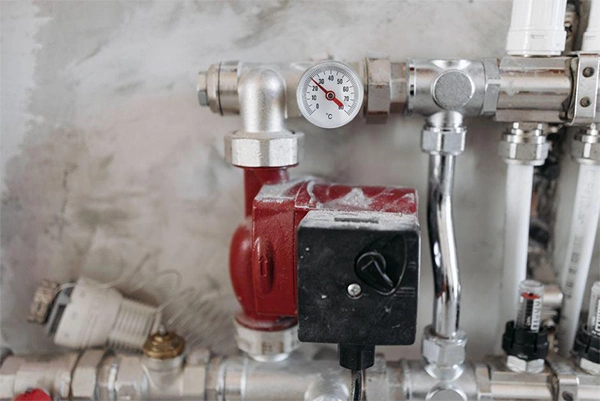
A good heating system is one that doesn’t require constant repair or attention and keeps your home comfortable. Dependable boiler performance becomes really essential during colder months. Replacing an aging unit often involves more than choosing a newer model.
The outcome is influenced by heating demand, existing radiators, ventilation, installation quality, and long-term operating expenses. That’s why understanding all these details before requesting estimates can help homeowners avoid paying for equipment that does not fit their property or needs.
Table of Contents:
- Understand What Your Boiler Actually Does
- Match the Installation to Your Existing System
- Know When Replacement Is Worth Considering
- Compare Efficiency Without Chasing Headline Numbers
- Understand What the Work Will Involve
- Compare Quotes by Scope, Not Price Alone
- Plan for Maintenance From the First Day
- Choose Long-Term Comfort Over a Quick Fix
- FAQs
Understand What Your Boiler Actually Does
A boiler heats water for distribution through radiators, baseboards, or radiant-floor tubing. Some systems use steam instead, so the type already installed is important when considering replacements. Unlike forced-air heating, these arrangements do not rely on ducts carrying warm air between rooms.
Boiler heating can offer comfortable, consistent warmth, but performance depends on controls, piping, insulation, and the condition of the distribution system. A new unit will not just correct cold rooms caused by bad circulation or an incorrectly balanced system.
Before shopping, check whether your home uses hot water or steam, and ask how the existing equipment delivers heat. Those fundamentals shape every sensible recommendation.
Match the Installation to Your Existing System
The right boiler must suit the building’s heat loss and the heating system already in place. Oversizing can create frequent cycling and wasted energy, while undersizing may leave rooms cold during demanding weather.
Homeowners exploring boiler installation should start with a professional assessment of their heating requirements, radiator compatibility, existing pipework, and venting. Proper installation includes more than replacing an old unit; it involves selecting the right boiler capacity, making necessary system adjustments, and testing everything for safe, efficient operation. These steps help make sure the new system delivers good heating and performs as intended.
Ask for the proposed capacity and the reasoning behind it in writing.
Know When Replacement Is Worth Considering
Age alone does not decide whether a boiler should be replaced. A properly maintained unit may remain serviceable for years, while a newer one can develop serious faults. Think about the pattern of problems instead of relying on one number.
Recurring breakdowns, leaks, corrosion, unreliable heat, and rising energy consumption lead to the need for a professional assessment. Unusual noises can show air circulation problems or mineral deposits, but their causes need diagnosis. If you notice a fuel smell or a carbon monoxide alarm sounds, leave the property and follow emergency guidance rather than investigating the appliance yourself.
Compare a documented repair estimate with the expected cost, efficiency, and reliability of replacement. A sound repair may be wiser than an unwanted upgrade.
Compare Efficiency Without Chasing Headline Numbers
Boiler efficiency can influence fuel expenses over many heating seasons, but a premium rating does not guarantee a particular saving. The home’s insulation, thermostat settings, fuel prices, and operating temperatures affect actual performance.
Annual Fuel Utilization Efficiency, or AFUE, measures seasonal fuel-use efficiency for applicable heating equipment. The energy-efficiency information for residential boilers describes this rating and shows how equipment categories differ. Compare relevant models on consistent terms instead of assuming every high-efficiency boiler performs identically.
Condensing units can recover extra heat from exhaust gases, though achieving their best results depends partially on system temperatures and installation design. Ask how the proposed model will perform with your radiators.
Understand What the Work Will Involve
A replacement normally starts with checking the existing unit, distribution piping, circulation components, controls, and exhaust arrangements. The installer then plans elimination, connection changes, and any modifications required to meet applicable requirements.
Work may involve updating pumps, an expansion tank, venting, controls, or condensate drainage. After installation, technicians should test operation and safety devices, verify circulation, and describe basic controls to the homeowner. The schedule relies on whether the job is a straightforward replacement or includes substantial alterations.
Ask how the household will be heated during the work, who will arrange permits and inspections, and how unexpected issues will be priced. A clear process makes disruption easier to manage.
Compare Quotes by Scope, Not Price Alone
Two estimates may explain entirely different projects. One might include removal, necessary piping alterations, commissioning, and disposal, while another covers only the boiler itself. A lower figure is not automatically better value.
Ask for a written breakdown of equipment, labor, venting work, controls, permits, and potential extras. Clarify warranty terms, including which party manages labor if a component fails. Ask whether the installer will offer operating instructions and records of testing.
Budget for the possibility that older connections will need attention once work starts. Agree on how changes must be approved before extra charges are incurred. Transparency minimizes unpleasant surprises and helps compare offers fairly.
Plan for Maintenance From the First Day
Even an efficient new boiler requires periodic professional inspection. Combustion, ventilation, pressure controls, and safety devices need appropriate checks. Homeowners can observe warning displays and visible leaks, but gas or combustion adjustments belong to qualified technicians.
The heating-system maintenance guidance describes checks relevant to hot-water and steam systems, including vent connections, controls, and pressure-related components. Service needs differ by design, so follow the manufacturer’s instructions and your technician’s advice.
Keep access to the equipment clear and retain service records all year. If heat becomes uneven or pressure changes repeatedly, arrange an assessment rather than repeatedly resetting the system and hoping the issue disappears.
Choose Long-Term Comfort Over a Quick Fix
A boiler upgrade is a chance to improve the reliability of a complete heating setup, not just replace a failing appliance. Good results start with an accurate assessment, compatible equipment, and a contractor who can describe both the proposed work and its limitations.
Consider comfort, expected operating charges, maintenance requirements, and the condition of existing radiators with the purchase price. Take time to compare estimates and ask questions before authorizing installation.
The best choice is hardly the most impressive specification on a brochure. It is the system that delivers dependable heat, can be maintained safely, and suits the way your home really functions.
FAQs
What are the disadvantages of a smart thermostat?
What is the lifespan of a smart thermostat?
The lifespan of a smart thermostat is 7 to 15 years.
How much electricity does a smart thermostat save?
A smart thermostat often saves 8% to 12% on heating and 15% on cooling; that actually saves $50 to $200 per year in energy costs.