Ensuring a proper insulation system, adapting to energy management approaches and using smart refrigeration systems can lower the energy use.

Energy Efficiency in Cold Chain Logistics and Warehousing
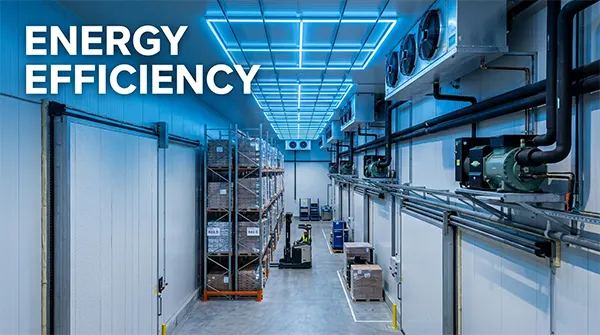
The concept of bringing energy efficiency to cold chain logistics demands the merging of various smart technologies, not a single one. And this is where most teams fail. They invest in a single area, rather it demands smarter infrastructure, modern equipment and data-driven operations.
When done the right way, it reduces routine operating costs, boosts the supply chain workflows and helps businesses to faster achieve their long term goals.
To understand this better, keep reading to learn how to bring energy efficiency to cold chain logistics and warehousing.
Key Takeaways
- Using modern energy-efficient approaches helps to take a better step towards the environment while reducing the routine operational costs.
- Smart technologies like AI analytics and energy management systems help to detect issues on time and optimise workflows.
- Modern refrigeration operations depend more on cleaner refrigerants and renewable energies to reduce waste.
- Businesses who make better investments today often safeguard their operations in the long run while lowering the energy costs.
Table of Contents:
Energy Consumption in Cold Chain Logistics
Cold storage facilities improve the quality of consumable goods but rank among the most energy-intensive processes in the logistics sector. In the global food system, 70% of the energy used occurs during storage, food transfer, processing and packaging. Cold chain logistics makes up for 30% of global energy intake.
Traditional cold chain logistics yield high greenhouse gas outputs. For instance, food refrigeration only serves as 1.7% of global emissions, while the full cold chain logistics category makes for 4% of total pollution. This large energy drain raises operational costs and creates financial strain on logistics suppliers. Creating energy-efficient systems protects profit gains and allows businesses to offer fair pricing for food and medication.
Evolving policy laws push companies toward cleaner routines. The Australian government sets out strong emissions-reduction policies to meet its national net-zero targets by 2050. These changes to regulations call for companies to take on energy upgrades, display supply chain impacts and enhance operations to maintain their transport and warehouse approvals.
Surprising Fact
Cold chains are responsible for around 15% of the global electricity usage, showing why improving refrigeration efficiency is crucial for sustainable goals. (Source: IIR)
Energy Efficiency Strategies for Warehousing and Logistics
Modern stores use various practical engineering solutions to reduce the high energy demands of refrigeration. These solutions are some of the best to adopt.
Insulation and Design
Advanced insulation materials, reflective roofing and thermal obstacle systems preserve cold storage environments. These design principles lower cooling needs by inhibiting external heat transfer. Managers can also use strict single-door rules during transport.
Opening multiple doors offers a direct airflow path for cold air, helping the system to work harder. An access control interlock system can verify that all doors remain sealed apart from one, and they can often work with any door type, which makes installation simple.
Variable Frequency Drives
Upgrading mechanical pieces provides another major efficiency gain. Variable Frequency Drives tweak motor speed to match shifting cooling loads rather than running machinery all day at full power. Dimming the motor speed by 20% can lessen expected power by 50%, resulting in major savings in power and costs during peak times.
Energy Management Systems
Energy management systems use IoT sensors and AI analytics to track energy gauges in real time. These digital platforms increase equipment schedules, spot system weak points and guide warehouse personnel toward energy-saving habits. They link these systems with Automated Demand Response programs to cut power usage during busy utility hours.
Regular Maintenance and Upgrades
Strict maintenance schedules verify that refrigeration infrastructure runs at peak performance. Installing new aging compressors and retrofitting old parts curbs energy drift, reduces eventual failure risk and protects corporate profit margins. When retrofitting, teams can review Australia’s net-zero guidelines, which offer tips on which upgrades will benefit operations.
Sustainable Refrigeration Technologies
Present-day supply chains use green refrigeration technologies to reduce environmental impact and secure long-term energy freedom.
Natural Refrigerants
The switch to natural refrigerants, like carbon dioxide and ammonia, lowers greenhouse gas levels. Unlike traditional hydrofluorocarbons, which have high insulating capabilities, natural counterparts have ultra-low global warming levels, typically below three. This future-proofs logistics facilities against stricter international environmental rules.
Renewable Energy Sources
Using renewable energy sources further minimises corporate dependency on fossil fuels. On-site solar photovoltaic panels and wind turbines deliver a continuous flow of clean power directly to energy-intensive cold storage units. Experts say that solar installations will serve up to 96% of all green energy use by 2028, making solar power crucial to modern logistics design.
Phase Change Materials
Advanced thermal management tools also alter cold storage efficiency. Phase Change Materials store and release thermal energy to enable stable indoor temperatures without continuous mechanical cooling. Facilities mix these materials with innovative thermal storage systems to move their high electrical usage to off-peak hours.
Grid-Connected Microgrid Systems
Grid-connected microgrids mix the above local renewable sources with battery storage technologies. This structure allows logistics sites to operate freely from the main electrical power line. During major power outages, microgrids retain smooth refrigeration, forbidding costly product spoilage.
Next Steps to a Greener Future
Promoting energy efficiency in cold chain logistics needs continuous operational refinements. Applying sustainable refrigeration technologies, optimising facility design and upgrading aging infrastructure help the transit and warehouse sectors protect profit margins. These changes also greatly lower greenhouse gas releases.
Conclusion
At the end of the day, energy efficiency is no longer a nice-to-have in cold chain logistics. Rather, it has become a competitive advantage – a crucial aspect to thrive and achieve the set goals.
When done the right way, through required investments, it helps businesses to lower their operational costs, boost their dependency and easily align with the changing technologies to keep thriving and achieving future goals.
In the longer period, it not just serve as a great step to protect the planet, but also to future-proof the business.
FAQs
How to improve energy efficiency in the warehouses?
Is renewable energy sufficient for cold storage facilities?
Not completely, but they can effectively lower the dependency on the traditional power sources.
Why are energy management systems crucial?
They serve real-time monitoring, find the errors on time and help to reduce the operational costs.
Related Posts