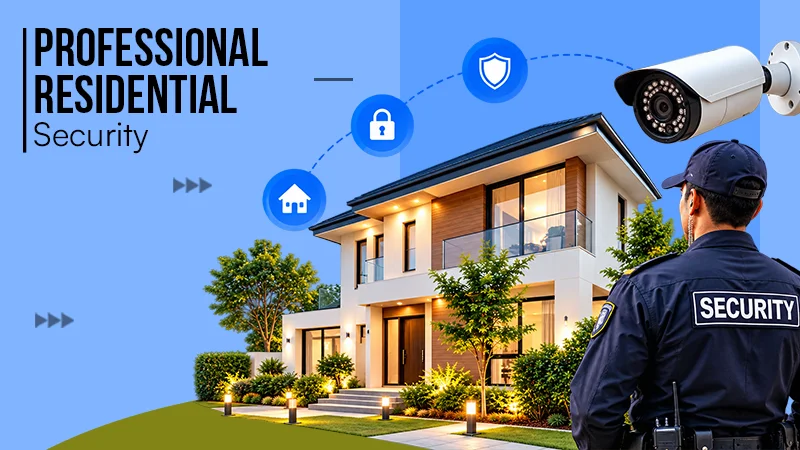
Homeowners should consider professional residential security when their property is frequently empty, contains valuable belongings, or their area is facing regular safety concerns.

When Should Homeowners Consider Professional Residential Security?
Most homeowners think adding cameras with their home repairs will provide enough security. Yes, cameras are good for safety, but some situations can require safety beyond cameras.
In the Hamptons, New York, many properties stay empty for seasons, which creates safety concerns and raises questions about security. Property size, occupancy patterns, privacy needs, and potential risks all influence which measures make sense.
Homeowners should understand these factors to modify their current safety arrangements according to what they actually need. They can consider professional security guards if needed, and ask sensible questions while seeking the best.
This article highlights the available security options, when they are needed, and all the important information for homeowners who are searching for additional security approaches.
Table of Contents:
Start With the Basics First
Professional security isn’t the first step for most people, and it shouldn’t be. Before spending on services, review the fundamentals:
- Solid doors, deadbolts, and secured windows
- Good outdoor lighting, especially near entrances
- A working alarm or camera system that you actually monitor
- Trimmed shrubs that don’t hide doors and windows
- Friendly neighbors who know your routine
If these are in place and your situation is ordinary, you may not need more. If any of the situations below sound relatable, though, it’s worth looking further.
Empty Homes Face Different Risks
A house that’s usually unoccupied, such as a vacation home or a primary residence during long trips, is simple for a burglar to study. The Bureau of Justice Statistics found that in 2007 the burglary rate was 21 per 1,000 unoccupied households, compared with 8 per 1,000 when someone was available. That data is older and covers the whole country, so today’s numbers will differ, but it shows why an empty building changes the picture.
Signs that this applies to you include stays, gaps between visits, a property that’s visible from the road, or a caretaker arrangement that shows up on occasional check-ins. Options such as patrol checks or a monitored presence can help fill those gaps.
High-Value Homes and Public Profiles
Some homes draw more attention than others. Valuable art, jewelry, or attractions, a well-known owner, or a property that generally appears in local news or social media can all raise more interest compared to affordable homes in the U.S. So can frequent public mentions of travel itineraries.
If this sounds like you, think about what is visible online and from the street. A calmer digital footprint is one of the simplest forms of protection, and it works alongside physical measures.
After a Break-In or Threat
An incident often changes how people think about their home, and rightly so. If there has been a break-in, attempted entry, stalking behavior, or a direct danger:
- Contact local police and keep a copy of the report
- Document what happened with photos and notes
- Review how someone got in, and fix those weak points first
- Consider whether a temporary increase in protection makes sense
Take any threat seriously and report it to concerned authorities. In an emergency, call 911.
What Professional Security Can Look Like
Residential security can take many forms, depending on the property, household routines, and level of risk. Options can be a home security assessment, scheduled patrols, alarm response, event coverage, or longer-term on-site personnel.
For people in resort communities, residential armed guards in Hamptons, NY, may be worth attention when additional protection is needed for a high-value property, seasonal residence, or extended period away from home. Selecting the right approach to security can help property owners address potential vulnerabilities while maintaining peace of mind.
Hampton Protection Group is one security provider that homeowners may encounter when researching residential protection options. Before considering armed coverage, it is important to verify licensing, staff training, insurance, and the company’s policies on the use of arms. Starting with a professional risk assessment can find what level of security is appropriate for the property.
Questions to Ask Before You Hire
Any provider should be comfortable with these questions:
- Are the company and its personnel licensed in my state, and can I verify it?
- What insurance does the company carry?
- How are staff trained and background-checked?
- How do you handle emergencies, and who do you contact?
- What are the terms for starting and ending service?
Note the answers, check references where possible, and compare more than one option. A reputable company will appreciate this kind of homework.
Weighing Cost, Privacy and Peace of Mind
Professional security has some trade-offs. It costs money, and people on your property may affect your absolute privacy. For some households, the extra calm is worth it. For others, better lighting, a monitored alarm, and good neighbors are many.
A useful way to decide is to compare three things: how likely you think a problem is, how focused it would be, and how comfortable you are with the current setup. If your answer to the third question is “not very,” that itself can be a good reason to seek a professional.
Conclusion
Most homes don’t have a guard at the gate, but some situations justify a closer look: long absences, high-value contents, a public profile, or a recent happening. Start with the basics, learn where your risks really lie, and then think about whether professional help would add value.
If you do look for it, ask straightforward questions, verify licensing and insurance, and choose a level of security that suits your home and your comfort. Careful thinking now helps you experience more at ease later.
Frequently Asked Questions
When should homeowners consider professional residential security?
What should homeowners check before hiring a security company?
They should verify licensing, insurance, staff training, background checks, emergency procedures, and service terms before hiring a security company.
How can homeowners improve security without hiring guards?
Homeowners can install secure locks, improve outdoor lighting, maintain alarm systems, trim shrubs near entrances, and coordinate with trusted neighbours.
Related Posts