Exterior trim, siding, decks, and window frames face continuous exposure to moisture. Once rot starts, the surrounding material becomes weak as well.

Home Repairs Every Homeowner Should Never Ignore
Most home repairs don’t begin as emergencies. They start quietly, slowly building up as people notice and then forget about them. A ceiling stain, a dripping tap, a small crack near the window. Time passes, and what appeared harmless at first turns into a major issue that cannot wait any longer.
Whether you have an old property or you’re settling into newer surroundings, maintenance tends to be an ongoing part of ownership, with homeowners having to deal with aging roofs, shifting foundations, and other problems. Knowing about these early on and fixing them in the early stages saves both money and stress.
This guide lists a few issues that homeowners should never ignore and when to seek professional help.
Key Takeaways
- One of the most common mistakes homeowners make is assuming a minor issue will remain minor
- Regular inspections after severe weather allow homeowners to catch problems early
- Homeowners often focus on visible damage while missing the protective barriers designed to prevent damage in the first place
- Addressing issues early rarely feels urgent in the moment, but it often prevents the kind of repairs homeowners remember for years afterward
Table of Contents:
- Small Problems Rarely Stay Small
- Knowing When Professional Help Makes Sense
- Roof Leaks Deserve Immediate Attention
- Plumbing Leaks Behind Walls
- Foundation Cracks That Continue Growing
- Electrical Issues That Keep Returning
- Damaged Caulking and Sealants
- HVAC Problems That Affect Efficiency
- Rotting Wood Around the Exterior
- Gutters That No Longer Drain Properly
- Loose Railings and Exterior Steps
- FAQs
Small Problems Rarely Stay Small
One of the most common mistakes homeowners make is assuming a minor issue will remain minor. A loose handrail stays loose until someone falls. A dripping pipe continues dripping until moisture reaches areas that were never meant to get wet. Houses have a way of connecting one problem to another, sometimes quietly for months.
What makes home maintenance difficult is that many warning signs appear harmless at first. Paint may bubble slightly. A door may stop closing properly. Water pressure may drop a little. These changes are easy to overlook because they often happen gradually. Still, gradual damage is damage.
Knowing When Professional Help Makes Sense
Many homeowners are comfortable handling basic maintenance. Replacing weather stripping, tightening hardware, or patching a small hole in drywall can often be done without much trouble. The challenge comes when the cause of a problem is hidden behind walls, above ceilings, or underneath flooring. At that point, homeowners turn to expert handyman services in Nashville, TN.
A thorough inspection often displays issues that are connected to larger systems within the home. Water damage may link back to roofing problems. Cracks may indicate structural movement. Electrical problems sometimes begin with aging wiring that has been unnoticed for years. Understanding the main issues matters a lot more than fixing only the visible symptom.
Roof Leaks Deserve Immediate Attention
Some repairs tend to create more hidden damage than a roof leak. Water entering through a damaged section rarely stays in a single place. It travels along beams, insulation, drywall, and framing before becoming visible.
By the time a ceiling stain appears, moisture may have already spread throughout a much larger area.
A minor leak during a storm may seem manageable at first. But several storms later, mold growth, wood rot, and insulation damage can turn a simple fix into a much larger project. Regular inspections after severe weather allow homeowners to catch problems early.
Plumbing Leaks Behind Walls
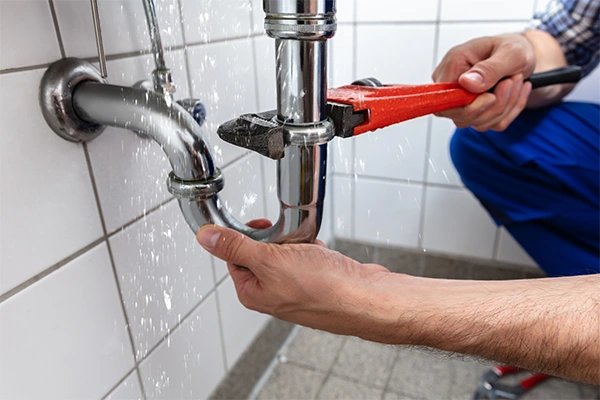
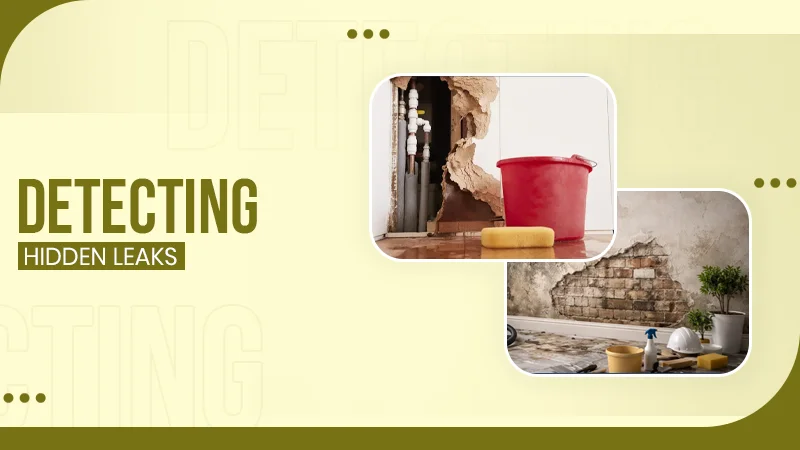
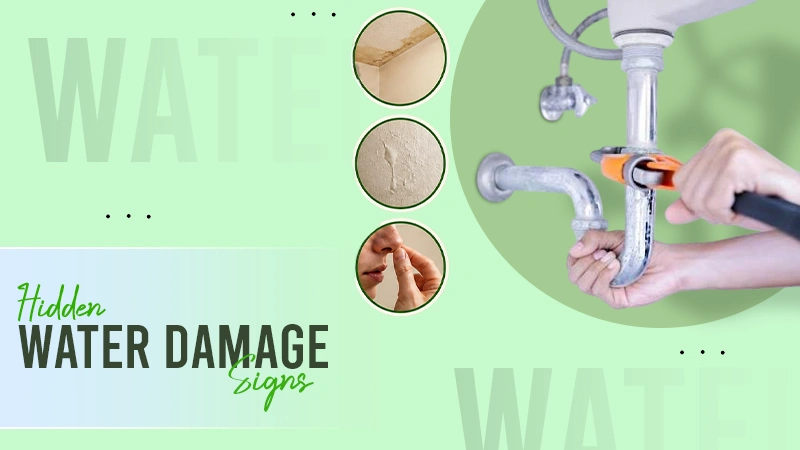
Visible leaks get attention quickly. Hidden leaks are another story. A slow drip inside a wall cavity can continue for months without obvious signs. Homeowners might notice a musty smell, peeling paint, or unexplained increases in water bills. Those clues often point toward moisture accumulating where it cannot easily dry.
Water damage weakens materials over time. Drywall softens. Wood framing absorbs moisture. Mold growth becomes more likely. Addressing plumbing issues early often prevents multiple repairs later.
When hidden leaks or persistent plumbing issues are suspected, hiring a qualified team can make all the difference. Professional plumbing services help accurately diagnose and repair concealed problems, identifying the source before moisture leads to more extensive structural damage or mould growth, which can significantly increase repair costs.
Foundation Cracks That Continue Growing
Not every foundation crack presents a serious problem, but a few absolutely do. Minor cracks may be a result of normal settling, but wider, expanding cracks, or cracks accompanied by sticking doors and uneven floors deserve closer inspection.
Foundations support all parts of a home, so movement at the base ends up affecting walls, windows, roofing, and plumbing. Many homeowners delay evaluation because foundation work is usually costly. Unfortunately, waiting rarely makes the repair less expensive.
Electrical Issues That Keep Returning
A circuit breaker that trips once may not indicate much. A breaker that trips repeatedly is trying to communicate something important.
Flickering lights, warm outlets, buzzing sounds, or burning odors should never be ignored. Electrical systems often give warning signs before serious failures occur. Older homes may also contain wiring that no longer meets current demands. Modern households use far more devices than homes were originally designed to support. What worked decades ago may struggle under today’s electrical load.
Fun Fact
When a screw hole becomes too loose, insert an old wooden matchstick or toothpick with a bit of glue into the hole before re-screwing to give it a fresh grip.
Damaged Caulking and Sealants
This problem sounds harmless because it is minor, until it’s not. Caulking around windows, doors, and exterior joints allows water to remain where it belongs. Once these seals begin breaking down, moisture can begin entering areas that are difficult to track down.
Homeowners often focus on visible damage while missing the protective barriers designed to prevent damage in the first place. Replacing worn sealants takes relatively little time and can prevent larger issues from developing.
HVAC Problems That Affect Efficiency
Heating and cooling systems tend to announce problems gradually. Rooms may become harder to keep comfortable. Energy bills may climb without an obvious explanation. Airflow may weaken. Strange noises may begin appearing during operation.
Many people delay service because the system still technically works. Yet HVAC equipment often performs less efficiently long before complete failure occurs. Regular maintenance helps identify worn components before they lead to breakdowns during extreme weather.
Rotting Wood Around the Exterior
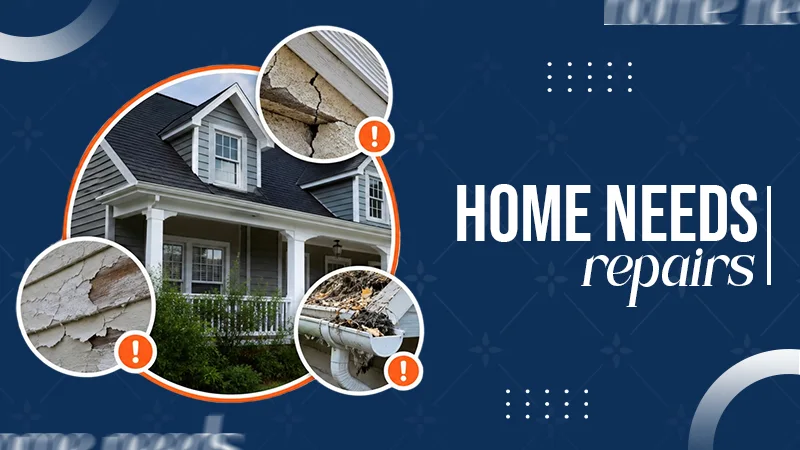
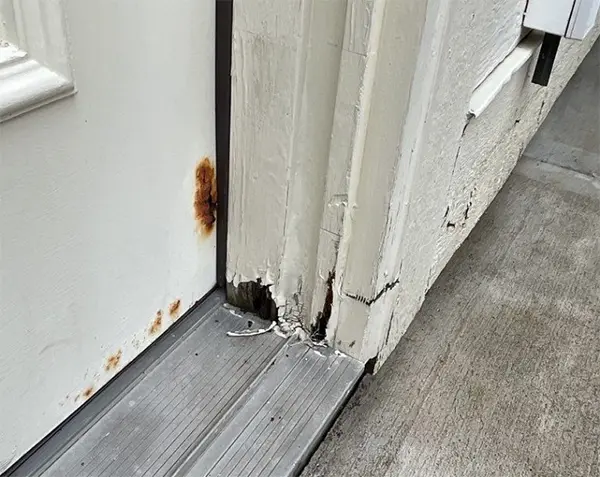
Wood rot spreads a lot quicker than many homeowners realize. Exterior trim, siding, decks, and window frames face continuous exposure to moisture. Once rot starts, the surrounding material becomes weak as well.
The affected area may feel like just a cosmetic issue, but structural integrity is also impacted by this. The previously damaged wood is replaced, and the more contained the repair usually remains.
Gutters That No Longer Drain Properly
Gutters are rarely exciting. They are also surprisingly important. When gutters clog or pull away from the home, water begins flowing where it should not. Foundations, landscaping, siding, and roofing systems can all suffer from poor drainage. Overflowing gutters during heavy rain often provide the first obvious warning sign. Unfortunately, hidden damage may already be developing around the property by that point.
Loose Railings and Exterior Steps
Safety issues deserve more attention regardless of size. A loose railing may seem like an inconvenience until someone uses it for support. Exterior steps that shift or crack create safety hazards that worsen over time.
These repairs usually get postponed despite looking simple to remedy, yet they directly affect how safely people move through the home every day.
Homeownership comes with an endless list of tasks, and not every repair requires immediate action. The challenge is recognizing which issues can wait and which ones quietly grow into larger problems. Addressing them early rarely feels urgent in the moment, but it often prevents the kind of repairs homeowners remember for years afterward.
FAQs
How does wood rot spread?
What are the electrical issues that shouldn’t be ignored?
Flickering lights, warm outlets, buzzing sounds, or burning odors should never be ignored. Electrical systems often give warning signs before serious failures occur.
What are the signs of a plumbing issue?
Homeowners might notice a musty smell, peeling paint, or unexplained increases in water bills. Those clues often point toward moisture accumulating where it cannot easily dry.
When should I seek professional assistance?
You should seek immediate professional help when the issues seem to have grown a lot more than what can be handled by regular individuals alone. It’s also best to get professionals involved early on when you detect problems.