You should first analyze your needs, check the painter’s experience, estimate the budget and pricing of services, and assess the communication skills of the painters.

Exterior House Painters: Services, Costs, Process & Hiring Guide
When it comes to painting our homes, we generally focus on painting the inner walls, leaving behind the fact that our home’s first impression is made from the outside. Exterior house painting is more than simply applying a new color to the walls. Exterior coatings can improve curb appeal while helping protect exterior surfaces from weather exposure.
Exterior house painters whom you hire should be asked about the surface prep, the coating they are going to use, weather delays, and the painting products that they will use before hiring them for the work. Exterior house painting not only helps to give an appealing look from the outside, but it also protects your house interiors by managing cracks and giving a layer of protection to your walls.
Table of Contents:
- What Do Exterior House Painters Do?
- When Should You Hire Exterior House Painters?
- What Surfaces Can Exterior House Painters Paint?
- How Much Does Exterior House Painting Cost?
- How to Choose the Right Exterior House Painters
- DIY vs. Hiring Exterior House Painters
- How Exterior Painting Fits Into Residential Construction
- Common Exterior Painting Mistakes to Avoid
- Final Thoughts
- FAQs
What Do Exterior House Painters Do?
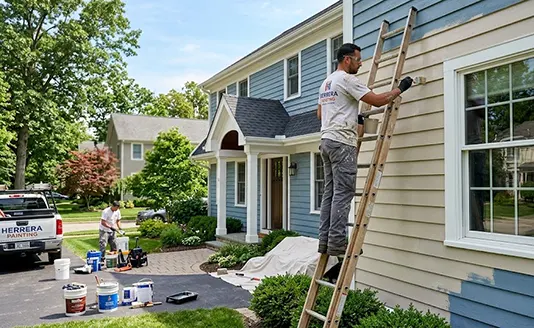
Choosing exterior house painters instead of doing it on your own is a good idea, as these painters are skilled and have deep knowledge of painting. They can guide you on the correct surface preparation and what painting products to choose and finally execute the work with full care and in a professional way to get your house painted within the given period of time.
There are some responsibilities of professional exterior house painters:
1. Exterior Surface Inspection
The first step toward painting is not the surface prep or the paint selection but checking the surface type, condition, imperfections, etc.
- Check for the type: metal, drywood, masonry, brick, concrete, stucco
- Check the present condition and paint: flaky paint, peeling paint, rough patches, cracks, dents
- Check for environmental factors: consider the temperature, season, and humid climate
2. Surface Cleaning and Preparation
The next step exterior painters do is surface cleaning and preparation.
- Painters clean the walls to remove dust, dirt, or grease on the walls, either with regular washing powders or the use of mild acids like vinegar.
- They repair damage like cracks or dents by using fillers (additive substances mixed in paint to provide consistency and bridge gaps) and then sand the walls using sandpaper to remove the unevenness on the surface.
- Priming the walls means providing a preliminary layer of base coat to the walls to provide a smooth base for the paint.
Proper preparation is a major part of exterior painting because it affects adhesion and the durability of the finished coating.
3. Painting the Wall
After all the preparations, the final step that comes is applying the paint. Painters who have deep knowledge and experience always suggest good quality, long-lasting, and dust-resistant paints. The painting process goes like this:
- Choose the paint type that suits the surface, like wood, vinyl, or brick, and also the weather conditions
- Choose the paint color that can coordinate well with your home’s architectural style and give a decent finish. Painters generally suggest paints that are cost-effective.
- Apply the paint over the primer once the primer is completely dry. One coat is enough to paint the walls.
- They use rollers for the walls and sprayers for the minor edges of the walls.
After the painting work is done, they do the final inspection of the exterior to check for any faults or cracks.
When Should You Hire Exterior House Painters?
Sometimes people with small houses try to paint on their own without knowing the aftereffects of small mistakes they can make without professional guidance. Due to these mistakes or environmental factors, your home loses its appealing and attractive look. Some visible signs clearly indicate that it’s time to hire a professional exterior house painter to give your home a new look. Some of those visible signs are
- Peeling or flaking of paint: happens mostly in a humid climate or in the monsoon season.
- Fading or discoloration: happens either due to rain, UV radiation, dust, pollution, or because the wrong paint type was used at the time of painting.
- Chalking: Chalking is the after-effect of painting in which the paint degrades and turns into a fine powder, which happens mostly when the proper surface preparation is not done.
- Exposed wood: When wooden doors or windows get more exposure to sun ot moisture, the wood starts rotting, termites make their space in the wood, and slowly decay the whole wood. Application of paint creates a barrier between UV radiation, moisture, and termites to protect the wood in the long run.
- Visible deterioration of siding or trim: Frequent contact on the trim (doors, handles, windows, or edges) of your home makes them lose their shine over time, and siding (large flat surfaces like walls) also loses color due to moisture retention over time.
- Desire to update the home appearance: With time, interests also change, so renovating the home in a new way can also be a possible reason to look for exterior house painters.
Pro tip: Use paints with high-quality pigments and binders that provide good adhesion between the paint and the wall.
What Surfaces Can Exterior House Painters Paint?
Depending on the home, there are different types of materials used to make a home. Every material and its surface require a different type of paint and coating. Several surfaces, like wood, vinyl, stucco, fascia, etc., are painted differently. Some of the surfaces that painters can paint are:
1. Wood Siding
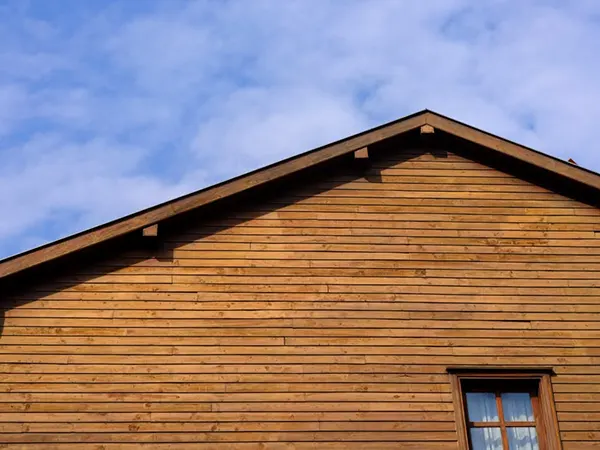
Wood has pores that retain moisture and cause it to decay. Exterior house painters fill up these pores and protect the wood from UV rays by applying acrylic paints that block these rays.
2. Front Doors
Front doors are made of steel, wood, and fiber and suffer frequent movement and wear and tear. Thus, house painters apply enamel paint to these doors to give a glossy finish, reduce the chances of warping and discoloration on wooden doors, and prevent rust on metal doors.

Front doors are made of steel, wood, and fiber and suffer frequent movement and wear and tear. Thus, house painters apply enamel paint to these doors to give a glossy finish, reduce the chances of warping and discoloration on wooden doors, and prevent rust on metal doors.
3. Vinyl Siding
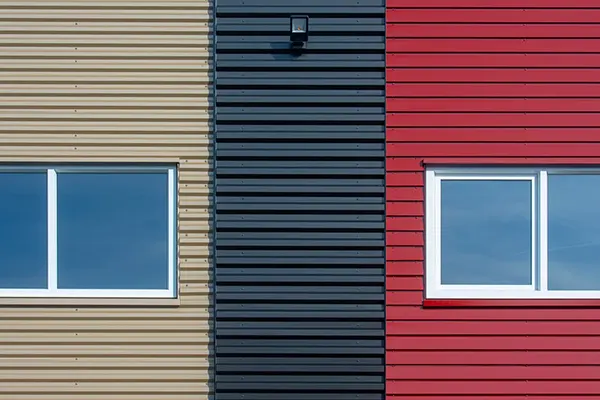
Vinyl siding is the exterior siding of the wall made from plastic (thermoplastic). Most people think that vinyl siding needs no paint. But house painters know the benefits of vinyl siding. Paint gives a new, shiny look to the siding, is cost-effective, and requires little or no priming.
4. Stucco
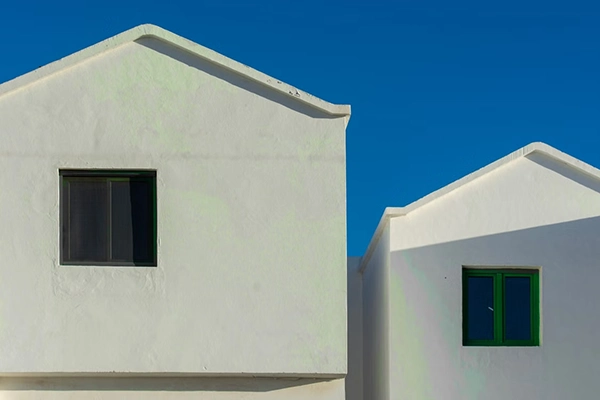
Stucco is the cement plastering done over the brick masonry on the walls. Painting stucco gives curb appeal and a smooth finish to the walls. Professional house painters choose color combinations like beige and white, grey and charcoal, and olive and sand for exterior walls.
5. Fascia and Soffits
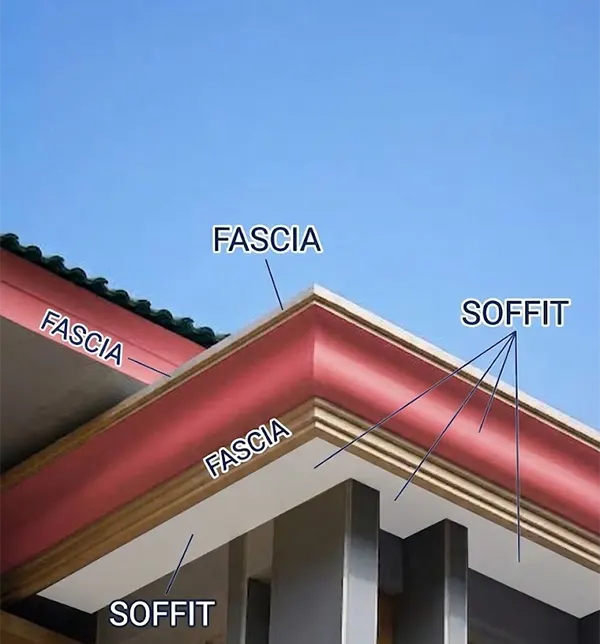
Fascia is the board at the bottom edge of the roof that runs along the whole roofline, giving a base and strong support to it, and soffits are the flat boards fitted under fascia that protect the roof from overhanging and provide a strong hold between the exterior wall and the fascia. Painters choose acrylic, latex, and oil-based paints to paint both of them.
How Much Does Exterior House Painting Cost?
Exterior painting can cost less than interior house painting. Typically, the cost of exterior house painting is decided by considering several factors like home size, number of stories in the building, paint quality, and several other factors. Instead of giving a perfect cost or price, we should analyze these factors that determine the paint cost.
1. Home Size
The foremost factor that determines the painting cost is the home size or the square footage. More area requires more paint and more time. Typically, the cost per square foot is between one and a half and four dollars (this is not the exact figure and can vary according to the conditions)
2. Exterior Surface Material
Cost can vary if the surface material requires preparation. Different surfaces require different types of paint. Some surfaces, like vinyl, are easily painted with less priming, while hard surfaces like stucco require preparation. If the surface requires plastering, sanding, and priming, then it will cost more.
3. Paint Quality
Different types of surfaces require different types of paints; it depends on whether you are using water-based or oil-based paints. Acrylic, emulsions, and textured paints are even costlier than regular distemper paints. Additionally, the cost of primer and putty adds to it.
4. Accessibility and Labor
The cost of painting also depends upon the geographic location of your house and the labor costs there, which typically range between 25 and 100 dollars per hour for a painter. To get the best price, you should ask for quotations from professional painters or companies that provide painting services.
Some factors, like the number of stories in the building, the number of coats done, and the duration of the job, also affect the cost.
5. Estimated Cost for Exterior House Painters
| Painting Job | Costing per sq. foot (labor cost) |
| Repainting with no prior surface prep | $8-$12 |
| Premium finish painting | $18-$25 |
| Texture and designer painting | $25 and above |
How to Choose the Right Exterior House Painters
Getting the right paint should not only be the first priority for homeowners. But choosing the right professionals for exterior house painting is also important. Good and professional painting service providers understand each and every aspect of painting, like repairing damage, surface prep, which paints to choose, etc. For this, you should know what points to consider while choosing the painter for your home. Here are some of those points that can help you choose the right painters for your home.
1. Analyze Your Needs First
Before you start looking for the right painter, first decide what kind of work you need and what you want the painter to do, such as starting from scratch or just painting. Different painters provide different kinds of services. You need to consider your budget, availability of time, and other requirements before you decide anything.
2. Consider the Experience
Check their exterior painting experience, like how many projects they have done successfully. Word of mouth also plays an important role here (ask your acquaintances, check online forums or online reviews about their reputation and quality of work, and ask for previous work samples). Also check if they can work with different exterior surfaces like stucco, soffits, rendered walls, doors, windows, etc.
3. Check If They Can Understand Your Home Exteriors
A good painter is one who first understands the house layout, materials used in it, and the client’s requirements and then suggests or executes something. Don’t just blindly trust what they say; cross-check their suggestions with a trusted source.
4. Talk About the Surface Prep and Products to be Used
Ask about the surface preparation and all the products to be used in the process. Which surfaces need primer, and what kind of paint is to be used for each surface? Professional painters know that quality paints cost more, so for a long-term investment, do what they say. For example, if they say enamel paint is good for doors and window furniture, then it’s a good choice, as enamel paint gives a smooth and hard finish to the surfaces and is used on surfaces that are touched frequently. Else
- Cement paint, as the name suggests, is best for concrete surfaces.
- Anti-corrosive paints are for railings, steel, and metal surfaces to prevent rusting of metal and extend their lifespan.
5. Consider painting cost and labor
A good decision before hiring a painter is to check their service prices either online or by meeting them in person, according to your needs. Don’t rush for low costs; get complete details of the cost of materials to be used, preparation to be done, time to complete the work, labor charges, and additional services.
All these factors combine together to give you a complete checklist for how to choose the right painter for your home.
DIY vs. Hiring Exterior House Painters
Hiring exterior painters is a good choice, but doing it yourself is also not a bad idea. There are certain advantages and disadvantages to both. Painting on your own is cost-effective and gives a sense of satisfaction, while hiring professional house painters provides qualitative and quantitative results, prevents you from making mistakes, and saves you time and energy.
| DIY Exterior Painting | Professional Painters |
| Suitable for small homes and projects | Better for larger homes and projects |
| Saves the cost of labor and special equipment | Cost may be high due to professional equipment used by skilled labor |
| Requires homeowners‘ time | Saves most of your time |
| Chances of injury or mishap while doing manual work | Professional painters are well trained for difficult situations, which reduces the chances of any misconduct. |
| More prior research required | Skilled exterior house painters guide you with their experience. |
Choosing DIY or hiring skilled painters depends completely on your budget, time, and other requirements. The main goal is to get the right paint done successfully.
How Exterior Painting Fits Into Residential Construction
Exterior house painting not only provides a new appeal to your house. But it also helps to fit your dwelling place into the residential environment in which you are living. Home renovation is an integral part of residential construction, and painting your house externally gives the wholesome feel of a newly constructed project. Here are some points that explain how exterior house painting fits into residential construction.
1. New Home Construction
A new home is never complete without painting it. Painting it externally protects it from weather exposure with multiple coats of paint or primer. All external siding and trim of the house also get covered and a glossy look.
2. Exterior Renovation
Before painting, during surface prep, you get to know what the damages are needed to be repaired. Whether it is siding replacement, trim repairs, plastering, or any other external upgrades, they are also done while you consider painting as a choice.
3. Whole-Home Remodeling
Painting overall fulfills the need for doing the absolute improvement and remodification of your house. You get the satisfaction of all structural repairs, property maintenance, and exposure to new design updates.
Common Exterior Painting Mistakes to Avoid
Painting is a complex process, and making mistakes while painting can lead to heavy losses. Common exterior painting mistakes that need to be avoided are neglecting surface preparation, not taking proper guidance, hiring low-cost labor for big projects, and using low-quality materials. Some of the common mistakes are given below:
- Ignoring Surface Preparation: Skipping surface prep can degrade the quality of paints in the long run. Flaky paint, chalking, and warping can be the unwanted side effects.
- Choosing interior paint for exterior application: Interior paints are made to give a satin and semi-gloss finish to homes. These paints may or may not withstand rain, harsh weather, extreme UV radiation, temperature, etc.
- Using low-quality paints: Using cheap or low-quality paints may cause you to apply more coats, and more coats require more paint. They also do not last long. lose their shine in a short time and affect walls.
- Painting in unsuitable weather conditions: Painting in a season that is not supposed to be the best time can be a major setback for your painting process. Painting on rainy days or in a humid climate can retain moisture in walls. Major fluctuations in day and night temperatures may crack the paint. So, winter is considered the best season to paint your home successfully.
Final Thoughts
Wrapping up! In this article, we learn about what exterior painters do, how to hire professional painters, and how exterior painting is done efficiently. Hiring exterior house painters is more than just comparing prices. Checking their experience and labor costs, their alignment with your requirements, their communication skills, working style, and professional guidance all play important roles in hiring the right exterior house painter for your home.
FAQs
How to choose the best exterior house painters for our home?
What is the exterior house painting process?
Before painting the house, surface inspection and preparation are done by repairing damage, then priming is done to fill the holes or remaining gaps. At the end, painting is done using suitable paint colors.
Why should I hire a professional exterior house painter?
You should hire a professional exterior house painter, as these painters are highly skilled and have a deep knowledge of painting services. These painters can guide you through every step of the painting process and get your house painted successfully within the given period of time by maintaining professional behavior throughout the process.
Sources
Pure Eco Painting: Protecting Your Investment: The Role of Exterior House Painters in Home Maintenance
Related Posts