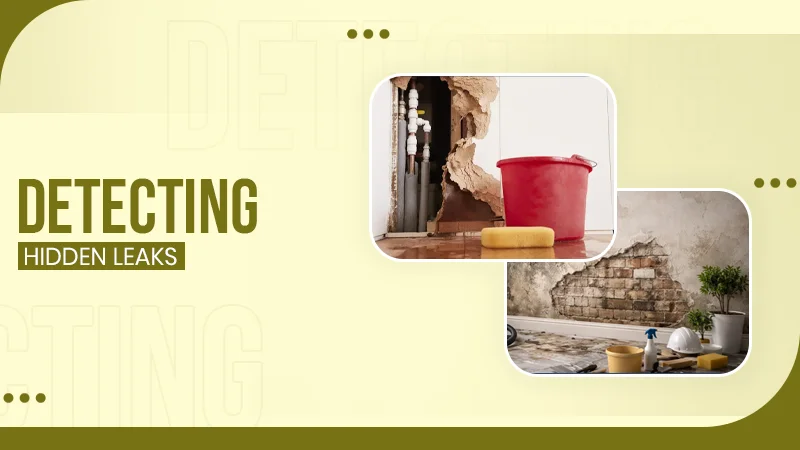
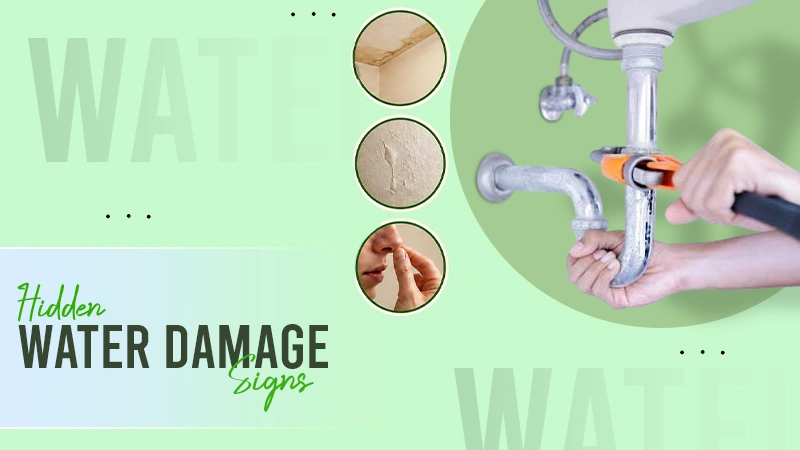
Liquid can seep through carpet fibres into the backing and padding, leaving the residue that produces odour.

Why Carpet Smells Return After Spills Dry, and What Actually Removes the Source
A spill gets blotted, the mark evaporates, and the carpet looks the way it did before. Then a warm, humid week arrives and the smell returns, usually strongest in the same spot. Most people respond by cleaning the surface again, and the surface continues looking fine, which makes the smell feel almost mysterious.
The explanation is plain but easy to miss: the smell is rarely coming from the part of the carpet you can see. Liquid travels through the fibers into the backing and the padding below, where surface cleaning cannot follow it. A smell that comes back after every cleaning is often the point at which households start comparing cleaning services chapel hill for carpet extraction, because repeated surface treatment never touches the source.
This article describes why odors outlast stains, how to find where a smell actually starts, what is worth trying at home, and where home methods run out.
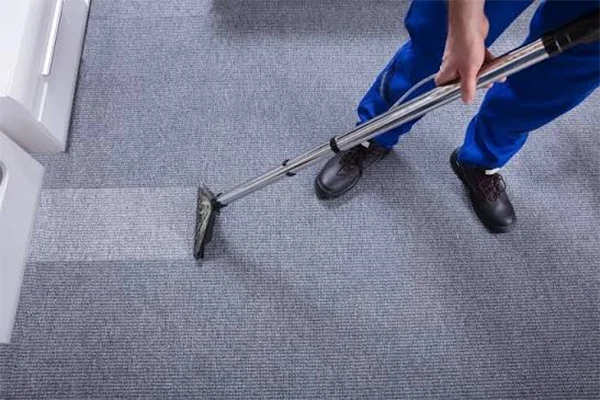
Table of Contents:
Why the Smell Outlasts the Stain
Carpet is a layered piece. The visible fibers sit on a backing, and under most carpets lies a foam or fiber pad that absorbs liquid like a sponge. A spilled drink, a pet accident, or a leaking plant saucer does not stay in the pile for long. Gravity and the carpet’s construction keep it downward, and the pad holds on to it long after the surface has dried.
That hidden moisture is what generates the odor. Sugary drinks, milk, and urine contain organic material that bacteria feed on, and as they do, they release smelly compounds. When the air turns humid, those compounds become noticeable again, which is why a carpet can look fine in cool, dry weather and smell sour when the humidity rises. Pet urine adds a particular problem: as it dries, it leaves behind crystals that can reappear when they meet moisture, so the smell can return even when the spot has been cleaned many times.
Finding Where the Smell Actually Starts
Before fixing anything, work out where the odor is concentrated. Walk the room slowly and get close to the floor, since the smell is often strongest at the carpet surface in a small area. Check the places where accidents occur most: beside the sofa, near a pet’s favorite corner, under a table where children eat, and around plant pots. A small ultraviolet flashlight used in a dim room can show old pet urine as a faint glow, although it also revives other substances, so treat it as a clue instead of proof.
A smell that is musty instead of sour points in a different direction. Dampness from a leaking window, a plumbing fault, or a wet exterior wall can keep carpet and padding damp from below, and cleaning the surface will not fix a moisture source. If the carpet looks cool or damp to the touch when nothing has been spilled, investigate where the water is coming from before wasting money on cleaning.
What Is Worth Trying at Home First
For a fresh or moderate spill, home treatment can work if it is done in the correct order. Blot up as much liquid as possible with a clean, white cloth, pressing instead of rubbing so the spill does not spread deeper or fray the fibers. Treat urine, food, and drink spills with a substance designed to break down organic residue, following the label and testing a hidden corner first for color changes. These products work by digesting the source of the smell rather than covering it.
A few general habits make things worse. Heat can set some stains and odors, so avoid steam or hot water on an untreated spill. Ammonia-based cleaners are a poor choice on pet accidents, since urine itself has ammonia and the smell may encourage an animal to return to the spot. Soaking the carpet is rarely helpful either, because extra liquid pushes the problem further into the padding. After cleaning, let air move across the area with open windows or a fan until the carpet is completely dry, and never use fragrance sprays to cover an odor you have not removed. For a light smell, baking soda placed on a dry carpet and vacuumed up after several hours can help absorb it.
When Hot Water Extraction Is the Right Tool
If the smell survives careful home treatment, the issue is probably in the padding and backing, and the fix is a method that flushes them instead of dabbing the surface. Many cleaning services that handle carpet use hot water extraction, which sprays heated water and a cleaning solution into the carpet and pulls it back out with tough suction, taking dissolved dirt and residue with it. Done accurately, it reaches deeper than a vacuum or a spot cleaner, though the depth depends on the equipment and on how the problem area is pre-treated.
Carpet cleaning at CJS Cleaning Solutions is defined as professional hot water extraction that removes deep-set dirt, stains, pet odors, and allergens, which matches the kind of problem a recurring smell generally represents. The method still has limits, and they are worth understanding before booking: it removes what can be flushed out, but it cannot reverse damage that has already distorted the padding.
What Extraction Cannot Fix?
Some carpet issues are beyond cleaning of any kind. If the padding has been soaked repeatedly, for example by a pet that has used the same spot for months, the contamination may be too deep and too widespread to flush out, and replacing the pad, and in some cases, the carpet over it, becomes the only lasting answer. Water damage from a leak or flood deserves the same caution. Carpet that has stayed wet for a day or two can introduce mold, and floodwater or a sewage backup should never be treated as ordinary carpet cleaning, because it needs a restoration specialist with protective gear.
When you compare cleaning services for a carpet job, a few considerations separate a real extraction visit from a surface pass. Ask how pet and spill areas are pre-treated, whether the equipment extracts the water or only sprays it, how many days the carpet will take to dry, and whether furniture will be moved or you need to clear the room in advance. A clear answer to each of these tells you more than the charges alone.
Carpet work also starts equipment, hoses, and cleaners through the home for several hours. CJS Cleaning Solutions states that every member of its team is background-checked and insured, which is a reasonable thing to consider when strangers and heavy equipment will be moving around your floors.
Keeping the Smell From Coming Back
Prevention begins the moment something spills. Blot straight away, treat the area properly, and dry it fully, because ten minutes spent on a fresh spill can save weeks of chasing an odor. Keep an eye on humidity too, since damp air makes every hidden deposit more highlighted. Running a dehumidifier or air conditioner in humid weather, and leaving a fan on after cleaning, keeps carpet from staying a little damp for long. Vacuuming regularly with a clean filter removes the loose soil that holds moisture against the fibers, and a doormat at each entrance stops a good share of outdoor grit from building up on the carpet at all.
Timing matters when a deeper clean is required, since fresh liquid is far easier to deal with than a deposit that has dried into the padding. CJS Cleaning Solutions says it often has same-week availability for new bookings, which suits a spill that cannot wait for a distant treatment. For a carpet that will stay wet for a while, it also helps to book a day when the household can stay off the floor and keep animals away until it has dried.
A Smell That Keeps Returning Has a Reason
A carpet that smells again after every cleaning is letting you know that the source is below the surface. Find where the odor is concentrated, treat what you can reach with a product that breaks down residue rather than covering it, and dry the area completely. If the smell survives that, the remaining options are extraction or, where the padding is ruined, replacement, and cleaning services that handle carpet can generally tell you which one applies after looking at the room. The faster a spill is dealt with, the less of it ever reaches the padding. Choose the right roofing contractor to protect spills coming from the roof during rainy seasons to protect your carpets and other belongings.
Frequently Asked Questions
Why does carpet smell after a spill has dried?
How to remove odors from a carpet after a spill?
Blot up the liquid, use a suitable cleaner that breaks down organic residue, and dry the area completely. Prefer professional hot water extraction if the odor persists.
Can professional carpet cleaning remove every lingering smell?
Hot water extraction can remove deep-set water and residue, but it can not treat the odors caused by severely contaminated padding or an ongoing leak.