Avoid picking the contractor who offers the lowest price; ask important questions before signing any document, and ask them everything in writing.

How to Choose the Right Roofing Contractor Without Regretting It Later
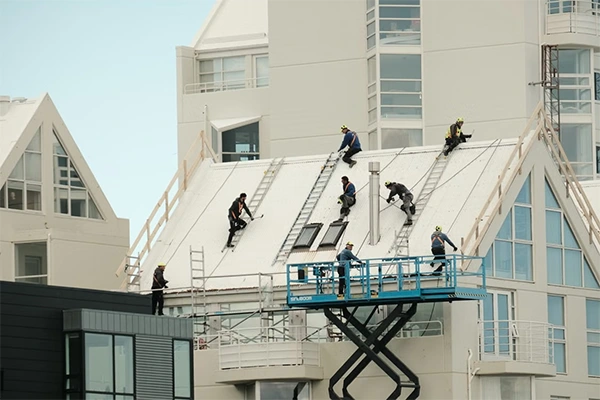
Most roofing issues usually appear suddenly. If you are a homeowner, you can notice leaks, shingles dropping in the yard or can see your roof start looking bad during a storm. This can hurt your home’s curb appeal very much.
If you are rushing to get the right contractor, this decision can get costly if you didn’t compare enough. You don’t need a contractor with a low quote and decent work; you will have to compare prices, ask better questions, and inspect how to spot roof problems early.
Table of Contents:
- Start With the Problem, Not the Sales Pitch
- Check Licensing, Insurance, and Local Reputation
- Know the Difference Between an Estimate and a Real Proposal
- Ask Smart Questions About Materials and Installation
- Watch for Red Flags Before You Sign Anything
- Compare Warranties Without Getting Lost in Fine Print
- Prepare Your Home and Budget for Real-World Disruption
- Make the Final Choice With Confidence
- FAQs
Start With the Problem, Not the Sales Pitch
Before calling anyone, get specific about what changes you want in your roof and what is happening to your roof. Is it a small leak near a vent, missing shingles after wind damage, sagging spots, or old age catching up with the whole system? Contractors give better answers when you describe symptoms clearly.
Take pictures from the ground if you can do it safely. Note when the issue started and whether it happens only during heavy rain or all the time. That timeline matters.
Once you know the issue, start searching for professionals who specialize in the services your roof requires. Look up roofers near me, and you will find experienced contractors who provide roof repairs, replacements, flashing repairs, and storm damage inspections based on your roofing needs.
Check Licensing, Insurance, and Local Reputation
A reliable roofing contractor should provide clear details about their qualifications, licensing, and insurance coverage. Ask for proof:
- Business licensing
- General liability insurance
- Workers’ compensation coverage
- Manufacturer certifications, if they claim them
Then look beyond the company’s own website. Read recent reviews across different platforms. Focus on recurring feedback instead of individual opinions. If several people mention communication issues, delays, or surprise charges, pay attention.
You can also ask neighbors, friends, or local community groups who they’ve used. Roofers build reputations one house at a time. A strong local track record usually says more than flashy branding ever could.
Know the Difference Between an Estimate and a Real Proposal
A one-line price scribbled on a card is not a proper roofing proposal. It’s barely a conversation starter. You want detail, because information protects you. A solid proposal should include:
- Scope of work
- Roofing materials and brand names
- Tear-off or overlay information
- Underlayment and flashing informations
- Ventilation work, if required
- Cleanup and debris removal
- Project timeline
- Payment schedule
- Warranty information
If one contractor gives a significantly lower price than others, review the proposal carefully before making a decision.
Low prices usually mean thinner materials, rushed labor, skipped prep work, or extra charges during the project. A roofing project is one of those moments where “bargain” can turn into “why is my ceiling stained again?” very quickly.
Ask Smart Questions About Materials and Installation
Not all roofing systems are at the same level, and not every home needs the same solution. Your climate, roof pitch, attic ventilation, and even nearby trees impact what performs well over time.
Ask contractors what materials they recommend and why. Request clear explanations about their expected lifespan, maintenance needs, and warranty coverage. If they throw around terms like architectural shingles, ice and water shield, ridge vent, or drip edge, ask them to translate. Good contractors don’t get annoyed when you want to discuss something.
You should also ask who will actually do the installation. Some companies sell the job, then outsource everything. This approach doesn’t automatically mean poor quality, but you need to know who’s on your roof. A contractor who explains installation steps clearly usually runs a tighter operation. Confusion during the estimate often becomes chaos during the build.
Watch for Red Flags Before You Sign Anything
Bad roofing jobs rarely start with a dramatic warning siren. They often start with small red flags people talk themselves into ignoring. Be careful if a contractor:
- Pressures you to sign immediately
- Demands full payment upfront
- Avoids written details
- Can’t provide insurance proof
- Shows up only after storms and disappears after checks clear
- Gives wildly vague answers to simple questions
Storm-chasing crews can be especially dangerous. They may promise fast fixes, offer aggressive discounts, and move on before warranty problems arrive. You should also read the contract carefully. Check cancellation terms, material substitutions, dispute procedures, and warranty limitations. If something sounds misleading, it probably is. A reliable roofer wants you informed. A shady one wants you impressed just long enough to sign.
Compare Warranties Without Getting Lost in Fine Print
Roofing warranties generally fall into two categories: material warranties and workmanship warranties. They cover different issues, and both matter.
Manufacturer warranties usually cover defects in the roofing materials. Workmanship warranties cover installation errors made by the contractor. If shingles fail because they were installed badly, the material warranty may not help much. You can ask these questions:
- How long is the workmanship warranty?
- What voids the coverage?
- Is the warranty transferable if you sell the house?
- Who handles claims?
- Are labor costs included in warranty repairs?
A long warranty is good, but only if the company is likely to still be around to honor it. Longevity, reputation, and clear written rules matter more than marketing language filled with confidence and sparkle.
Prepare Your Home and Budget for Real-World Disruption
Roofing work is messy, loud, and slightly chaotic even when it’s managed well. Plan for that reality before the first truck arrives.
Move vehicles out of the driveway. Bring patio furniture, potted plants, and fragile items inside or away from the work zone. If you have kids, pets, or anyone working from home, prepare for increased noise.
You should also set aside extra funds for unexpected expenses. Once old roofing comes off, hidden damage can appear, especially around decking, flashing, or ventilation areas. A reliable contractor will document these problems, explain the necessary repairs, and discuss additional charges before proceeding with the work. The goal isn’t to avoid every disruption. It’s to work with someone who manages disruption professionally and communicates at an early stage
Make the Final Choice With Confidence
Once you’ve compared prices, checked credentials, reviewed warranties, and asked your questions, trust the full picture. The best roofing contractor does not necessarily provide the lowest price. It’s the one who combines clear communication, solid documentation, relevant experience, and a process that makes sense.
Pay attention to how they treat the estimate stage. If they show up on time, answer directly, explain options, and put everything in writing, that’s a strong sign. If a contractor avoids meaningful details or communicates poorly during the initial stages, these issues may continue throughout the project.
A roof shields everything under it: your walls, your belongings, your comfort, and your budget. Hiring carefully takes a bit more time upfront, but it can save you from repairs, stress, and unexpected expenses.
FAQs
Should I choose the lowest-priced contractor?
What should a detailed estimate include?
A detailed estimate should include labour and material costs, product models and shingle types, cleanup, and payment schedules.
What credentials must a contractor have?
Active state or local licensing, general liability insurance to cover property damage, and workers’ compensation insurance to protect them against on-site injury.
Related Posts