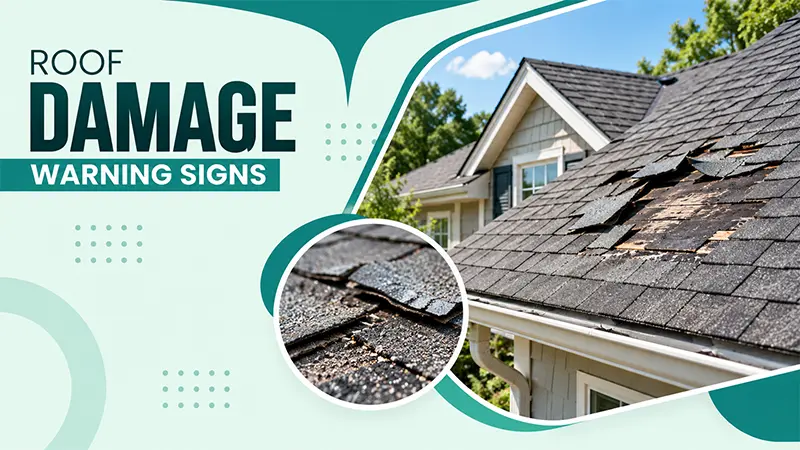
The following are typical indications: curled shingles, extra granules in the gutters, wet attic insulation, damaged flashing, ceiling stains, and sagging gutters or eaves.

6 Warning Signs of Roof Damage Most People Miss
A roof may not wait until a big storm comes to prove that there is something wrong. Actually, in most situations, the first signs might easily be overlooked since they do not seem that important.
It could be a few stray granules in the gutter, a misaligned shingle, or even a moldy odor in the attic. Since homeowners in Morrisville have varying weather conditions throughout the year, their roofs could easily experience stress.
Identifying these warning signs at an early stage will help in preventing any moisture damage to the attic, ceiling, and other structures. The following are six signs that should be taken note of.
Table of Contents:
- 1. Shingles Are Curling or Losing Their Shape
- 2. You Find Granules in the Gutters
- 3. Your Attic Has a Musty Smell or Damp Insulation
- 4. Flashing Around Roof Features Looks Damaged
- 5. Paint or Drywall Starts Changing Near the Ceiling
- 6. Gutters or Roof Edges Are Starting to Sag
- Why Small Roof Problems Should Not Be Ignored
- Choosing the Right Repair Approach
- When to Call a Roofing Professional
- Conclusion
- FAQs
1. Shingles Are Curling or Losing Their Shape
Not all instances of shingle failure will be so dramatic. Sometimes the first indication is that their edges begin curling, lifting, or becoming distorted. Take a look at your roof from the ground and watch for shingles that appear different from the surrounding ones. Curling can indicate aging, weather exposure, or moisture-related problems.
You may find that your shingles have become extremely brittle or that they lack their original protective coating. These changes do not necessarily mean the entire roof needs to be replaced, but they are worth having assessed before more serious damage develops.
2. You Find Granules in the Gutters
Debris in the gutters is fairly common and can be expected at least after the rainy season. However, a noticeable buildup of small, sand-like granules can be a sign that asphalt shingles are losing their protective surface.
Those granules help protect shingles from weather and sunlight. As shingles age or become damaged, they can gradually shed more of them.
If you repeatedly find an unusual amount of granules around downspouts or in gutters, consider having the roof inspected. This might mean that certain areas of the roof coating wear off faster than they should.
3. Your Attic Has a Musty Smell or Damp Insulation
Certain roof defects can actually be seen from within the house more easily than from the outside. Head into the attic after a period of rain and look for signs such as:
- Damp or compressed insulation
- Water stains on wood
- Musty odors
- Mold or mildew
- Discoloration around roof penetrations
- Warped or rotting wood
A smell of mildew does not necessarily indicate that there is a leak in the roof; however, it is definitely worth investigating where this moisture is seeping.
4. Flashing Around Roof Features Looks Damaged
Flashing is easy to neglect because it is located around areas such as chimneys, vents, skylights, and roof-wall intersections rather than across the main roof surface. Yet these are important areas for water management. Damaged, loose, corroded, or poorly sealed flashing can create pathways for water to enter the roof assembly.
If you can safely view these areas without getting up on the roof, then take a look at any obvious problems. Leave roof-level inspection and repairs to a qualified professional rather than climbing onto a damaged roof yourself.
5. Paint or Drywall Starts Changing Near the Ceiling
A small brown stain on the ceiling is easy to overlook, particularly if it has not grown recently. But discoloration, bubbling paint, peeling surfaces, or soft drywall can indicate that moisture has entered somewhere above.
Significantly, the visual stain may not appear to be under the location of the leak. Water can travel along roof decking, framing, or insulation before becoming visible inside the home. That is why simply painting over a stain may hide the symptom without addressing the underlying problem. If the discoloration returns or grows, the source should be investigated.
6. Gutters or Roof Edges Are Starting to Sag
Your roof and gutter system work together to move rainwater away from the structure. If gutters start pulling away from the fascia, sagging, or holding water, there may be a drainage problem that deserves attention.
The roof edge itself can also provide clues. Damaged fascia, rotting wood, or warped soffits may indicate that moisture has been reaching places that should remain protected. Regular inspection can help catch these troubles earlier. FEMA recommends inspecting roofs at least twice a year, ideally in spring and fall, as well as after high-wind events, to identify potential repair needs.
Why Small Roof Problems Should Not Be Ignored
A roof does more than keep rain out. It is part of the home’s overall water-management system, protecting insulation, framing, ceilings, walls, and other interior components.
A small opening or damaged section may not cause an immediate issue, but repeated moisture exposure can create increasingly complex repairs. The U.S. Department of Energy notes that water entering through a roof can damage insulation, encourage mold growth, and contribute to structural deterioration.
This is the reason why it is sometimes more practical to address small warning signs than wait for visible damage to occur within the house.
Choosing the Right Repair Approach
In case of any roof problem, the immediate reaction of many people would be to look for the fastest solution. A better approach is to understand what caused the problem and whether nearby areas are also affected.
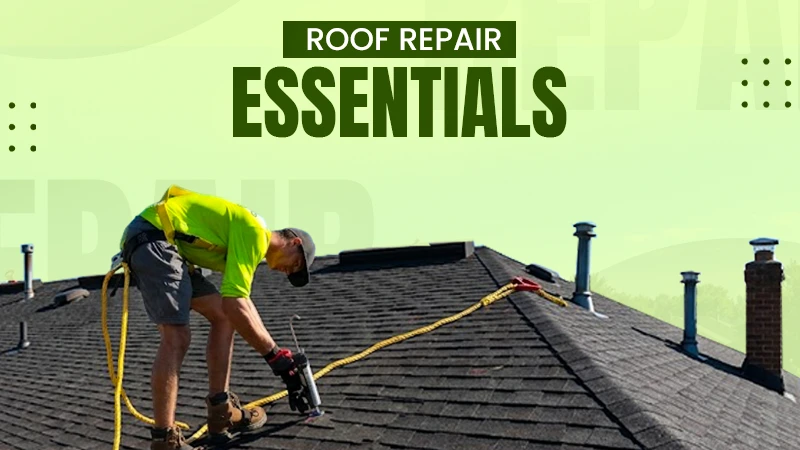
For homeowners researching roof repair in Morrisville, it can help to work with a contractor who can assess the condition of the roof rather than focusing only on the visible symptom. Kontz Roofing, Siding & Remodeling provides roofing services designed to address common residential roof concerns. A professional assessment can help homeowners understand the condition of their roof and determine what type of repair may be appropriate.
The intention is not to fix every little flaw. It is to identify genuine problems early and address them before they have an opportunity to spread.
When to Call a Roofing Professional
All abnormal roof features do not always need an urgent repair. However, certain signs should prompt a professional assessment, especially when they appear repeatedly or after severe weather.
Consider scheduling an inspection if you notice:
- Persistent ceiling stains
- Missing or damaged shingles
- Significant granule loss
- Water in the attic
- Damaged flashing
- Sagging roof sections
- Repeated leaks
- Visible storm damage
A professional will be able to judge whether the matter at hand is one that needs just a small fix or not.
Conclusion
A leaking roof is not the only indication that something is wrong with the roof structure. Sometimes the earliest clues are curled shingles, excess granules, damp attic insulation, damaged flashing, ceiling discoloration, or problems around the roof edges.
Paying attention to these less-obvious signs and arranging professional inspections when something looks uncommon can help homeowners detect moisture and structural concerns earlier. With regular maintenance and timely repairs, you can give your roof a better chance of guarding the rest of your home for years to come.
FAQs
What are some typical indications that the roof is damaged?
Why do I have extra granules in my gutters?
The accumulation of shingle granules suggests that the shingles are losing their protective top layer.
Is it possible that a musty smell in an attic is caused by a roof leak?
Yes, it is possible. The musty smell could be associated with moisture entering the attic, together with such phenomena as wet insulation, water marks, mold, or discoloration of wood.
Can faulty flashing lead to roof issues?
Faulty or improperly installed flashing at roof-to-wall joints, chimneys, vents, skylights, etc. can create channels through which water can get into the roof structure.
Related Posts