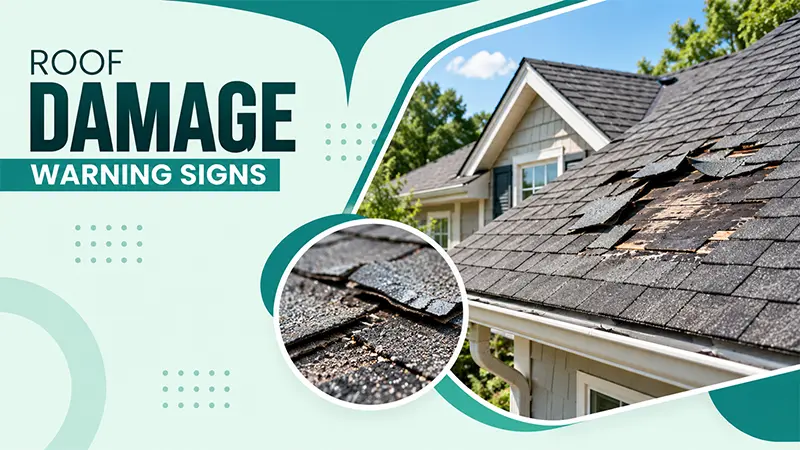
Roof slope affects how quickly rainwater drains. The roofing materials and installation methods must suit the slope to reduce the risk of water entering beneath the surface.

Why Roof Design Details Matter More Than Homeowners Realize During Installation
A new roof can look perfectly finished from the street, with straight shingle lines, clean edges, and matching colors. Yet the details that determine how well it performs are often hidden beneath the surface. The way water moves across the roof, how different sections connect, and what happens to moisture beneath the roofing materials can make a significant difference over time.
Companies such as Ridge Runner Roofing work in a field where the condition and design of the whole roofing system require attention, because they understand that a roofing project includes more than selecting shingles and replacing old materials. Even a small weakness around a valley, vent, or the roof edge can create issues that may not become visible until months or years later.
Understanding these details helps homeowners ask better questions before work begins. A successful roof installation should account for the home’s structure, drainage patterns, ventilation needs, and the 6 warning signs of roof damage most people miss. Paying attention to those elements from the beginning can prevent avoidable repairs and protect the investment in a new roof.
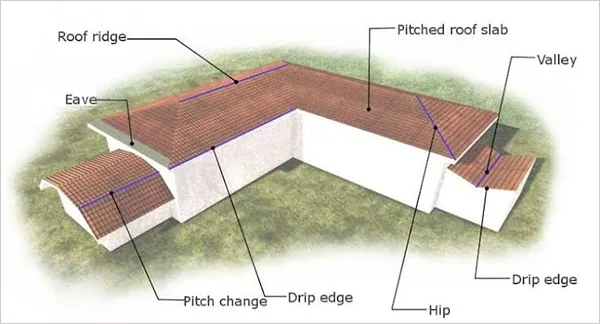
Table of Contents:
- Roof Slope Changes How Water Moves
- Roof Valleys Handle More Water Than Most Areas
- Underlayment Provides Protection You Cannot See
- Ventilation Affects the Roof From Underneath
- Flashing Protects the Places Where Materials Meet
- Roof Edges Deserve More Attention
- What Homeowners Should Discuss Before Work Begins
- A Reliable Roof Starts With the Details
- Frequently Asked Questions
Roof Slope Changes How Water Moves
Not every roof handles rainwater in the same way. A steep roof generally allows water to move toward the gutters quickly, while a lower-sloped section drains more slowly. That difference affects which materials and installation methods are appropriate.
For example, asphalt shingles are commonly used on pitched residential roofs, but they are not suitable for every slope. Low-slope areas may require different roofing systems or additional protective measures, depending on the manufacturer’s specifications.
Problems can show up when the materials do not match the roof’s drainage conditions. Water can remain against overlapping sections longer than expected, and that increases the opportunity for moisture to make its way under the surface.
Why Roof Transitions Need Special Attention
Many homes have more complicated rooflines than they appear to have from the ground. A garage addition, covered porch, dormer, or second-story extension can create transitions between roof sections.
Water can arrive from any direction, so these transitions require careful planning. A poorly detailed connection can allow moisture to reach the roof decking even when the surrounding shingles remain intact.
Proper roof installation takes these changes in slope and direction into account rather than treating every section as though it were a simple, uninterrupted surface.
Roof Valleys Handle More Water Than Most Areas
A roof valley forms where two sloping sections meet. During rainfall, water from both surfaces flows toward the same channel before moving down the roof.
Because valleys carry concentrated runoff, they experience different conditions from the broad, open areas of a roof.
Leaves, small branches, and other debris can be collected in these locations. When material builds up, it may slow drainage and hold moisture against the roofing surface.
Valleys also need suitable flashing or other manufacturer-approved waterproofing details. Their design must allow water to move freely without reaching the materials underneath.
A common mistake is assuming that shingles provide sufficient protection everywhere by themselves only. The components under and between roofing materials work together to handle excess water.
Ridge Runner Roofing is one example of a roofing business operating in a trade where understanding these vulnerable areas is relevant to the quality of the finished work.
Underlayment Provides Protection You Cannot See
Shingles form the visible outer covering, but they are only one part of a roofing system. Beneath them, underlayment provides another layer of protection against moisture.
This material is installed over the roof decking before the finished roofing is applied. Its purpose is to help protect the structure if water gets past the outer covering.
Various underlayment products have various properties. Some are designed for broad roof coverage, while self-adhering membranes are often used in vulnerable locations where additional protection is optimal.
Why Placement Matters
Underlayment must be installed with the correct overlap, fastening method, and integration with flashing components.
Poorly arranged overlaps can provide a route for water to reach the decking. Similarly, gaps around penetrations may undermine the protection offered by otherwise properly installed materials.
Roof edges, valleys, and openings around plumbing vents often require particular care.
Homeowners barely notice these details after the job is accomplished. Asking about the planned underlayment and how vulnerable sections will be protected can help clarify what is included in the process.
Ventilation Affects the Roof From Underneath
Roof performance is not determined by exterior materials alone. Conditions inside the attic can also influence the surrounding structure.
Warm and moisture-laden air may enter an attic through gaps around ceiling fixtures, openings, and other ways. Condensation can develop on cooler surfaces when moisture accumulates.
Over time, persistent moisture may contribute to mold growth, damp insulation, or deterioration of wooden components.
Ventilation helps manage attic conditions, but it must be designed appropriately. Simply installing additional vents does not guarantee better airflow.
An effective approach considers the location of intake and exhaust openings, the roof structure, insulation placement, and opportunities for indoor air to enter the attic.
The Problem With Blocked Airflow
Soffit vents commonly provide intake airflow near the lower edges of a roof. Insulation pushed tightly against these openings can restrict air movement.
This may leave portions of the attic poorly ventilated, even when roof vents are present.
During roofing work, it is worth asking whether existing ventilation appears adequate and whether the proposed changes could affect airflow.
A roofing contractor should recognize when moisture issues need attention to air sealing or insulation instead of ventilation alone.
Flashing Protects the Places Where Materials Meet
A roof has several interruptions in its otherwise continuous surface. Chimneys, plumbing vents, skylights, and adjoining walls create openings or connections that must be properly sealed.
Flashing directs water away from these vulnerable points.
Metal flashing is commonly used around roof penetrations and wall connections, although the appropriate materials and details depend on the roofing system.
A poorly installed flashing assembly may allow water beneath shingles despite the surrounding materials being in good condition.
This explains why a homeowner can experience a leak shortly after replacing a roof without seeing any obvious damage to the shingles themselves.
Ridge Runner Roofing, like other companies involved in residential roofing work, operates in an industry where proper flashing details are essential to protecting the building beneath the roof.
Why Sealant Alone Is Not Enough
Sealants have legitimate uses in roofing assemblies, but they should not replace properly designed flashing.
Caulking can deteriorate, separate from surfaces, or lose flexibility as materials expand and contract.
Properly designed flashing depends mainly on directing water away from openings, with compatible sealants used where the system requires them.
The goal is to create a durable drainage path rather than depend on a bead of caulk to stop every potential leak.
Roof Edges Deserve More Attention
The perimeter of a roof is exposed to runoff and wind forces. These areas include the eaves, where water drains toward the gutters, and the rakes along sloping roof edges.
Drip edge flashing helps direct water away from exposed decking edges and fascia boards.
Starter shingles also play a role in securing the first course of shingles and helping resist wind uplift.
If these components are missing or installed incorrectly, problems may begin near the perimeter before spreading farther across the roof.
An entire roof installation should address edge protection, shingle fastening, and the relationship between the roof covering and gutter system.
What Homeowners Should Discuss Before Work Begins
Homeowners do not need to understand every technical detail of roofing construction. They should know what the contractor plans to apply and how the essential parts of the system will be handled.
Ask whether the existing decking will be inspected after the old covering is removed. Hidden moisture damage or weakened wood may need attention before new materials are installed.
It is also useful to clarify how valleys, flashing, underlayment, ventilation, and roof edges will be addressed. Consider the 5 roofing maintenance mistakes that can lead to expensive home repairs to make better decisions for your roof.
Written project details can reduce confusion later. They help homeowners understand the materials being proposed and distinguish necessary components from optional upgrades.
A contractor should be able to explain why a particular approach suits the building rather than relying only on the appearance or popularity of a roofing product.
A Reliable Roof Starts With the Details
The long-term performance depends on the less visible but essential parts when they work together with the visible finish. Drainage, flashing, underlayment, ventilation, and edge protection all contribute to keeping the surface dry.
Ridge Runner Roofing represents the type of roofing business homeowners may encounter while planning a project that involves several connected construction decisions. Understanding those decisions makes it easier to evaluate the proposed work.
Before committing to a roof installation, homeowners should look beyond shingle colors and general material descriptions. A thoughtful plan that addresses the roof’s vulnerable areas can make the difference between a covering that simply looks new and a roofing system designed to perform reliably for years.
Frequently Asked Questions
Why is roof slope important during installation?
What is the purpose of roof underlayment?
Underlayment provides an additional layer of moisture protection beneath the shingles. It helps protect the roof decking if water gets past the outer roofing material.
How do roof valleys prevent water damage?
Roof valleys channel runoff from two sloping sections toward the lower part of the roof. Proper waterproofing and clear drainage help prevent water from reaching the underlying structure.
Related Posts