In some cases, yes, but snow, ice, and cold temperatures make exterior installation slower and less predictable. Most householders in cold climates use winter for research and reference, then schedule installation for spring.

When Is the Best Time to Install an Awning?
Spring is the best time to install an awning, as the weather is comfortable for doing outdoor work. You don’t have to wait for summer, when you’ll get the appointment rarely because of the peak season for electricians.
However, you can also choose winter to install an awning to you terrace or balcony areas, but have to need some precautions.
In this article, you’ll get to know why spring is the best time to install an awning, smart alternative ways, and how you can install an awning in winter and why it is challenging.
Table of Contents:
Why Spring Is the Ideal Time to Install an Awning
For most householders, spring is the best time to install an awning, and April and May are the sweet spot. Installing an awning during these months means it will be ready before the first summer weekend of the year. Instead of losing part of the summer, you get shade from the first picnic of the season all the way through Labor Day.
Spring weather also likes to cooperate with exterior work. Once the ground has melted and freezing nights are behind you, installers can work on ladders and fixing brackets without dealing with ice, snow, or slick surfaces along the rooftop outline. That makes the job safer and more habitual.
There is also a practical scheduling benefit. Spring is when many householders start thinking about outdoor projects, so appointment openings and install dates can fill up as the weather warms. Planning early helps you avoid that rush.
Planning Ahead Pays Off
The smartest way to land a spring installation is to start the process in late winter or very early spring. Scheduling your consultation during this period gives you time to compare options, ask questions, and choose fabric colors and features without feeling rushed.
It also gives you more control over when the work actually happens. Householders who book earlier are usually first in line once the weather breaks, while those who wait until the first warm day often find themselves pushed into late June or July. In a region with a short summer, those lost weeks add up.
Fall Installation Is a Smart Alternative
Spring is ideal, but fall is an overlooked option. Once summer ends, demand for outdoor projects usually drops, which can make scheduling easier and give you more flexibility in choosing a date that works for your household.
A fall installation also lets you try out your awning during the temperate, sunny days of September and early October. Then, when spring arrives, you don’t have to wait to install the awning; it has already been installed in the fall season.
Before installation, keep one thing in mind is winter preparation, when heavy snow, ice, and repeated freeze-thaw cycles are hard on awning fabric left exposed, which is why in snowbelt cities the awning’s housing matters as much as the timing. For a closer look at how a semi-cassette housing keeps the fabric sealed and dry through a West Michigan winter, see https://www.lippert.com/home-awning/grand-rapids-awnings.
Before the first heavy snowfall, make sure your awning is fully pulled back, dry, and secured in its housing. Many manufacturers also recommend inspecting the installation kit, cleaning the fabric, and testing the motor and wind sensor before the snow season begins, so the awning comes through its first winter in good condition.
Why Winter Installation Is Challenging
You can install an awning in winter, but it is considered to be the hardest season to plan around in cold climates. Snow, ice, freezing temperatures, and short days make ladder work and outdoor installation slower, less predictable, and more likely to be postponed.
That does not mean winter is wasted time; the colder months are suitable for research, planning, and gathering quotes. You can compare products, read reviews, explore fabric options, and schedule a session while your terrace is still under snow, so installation can happen as soon as spring weather allows.
What to Expect During the Installation Process
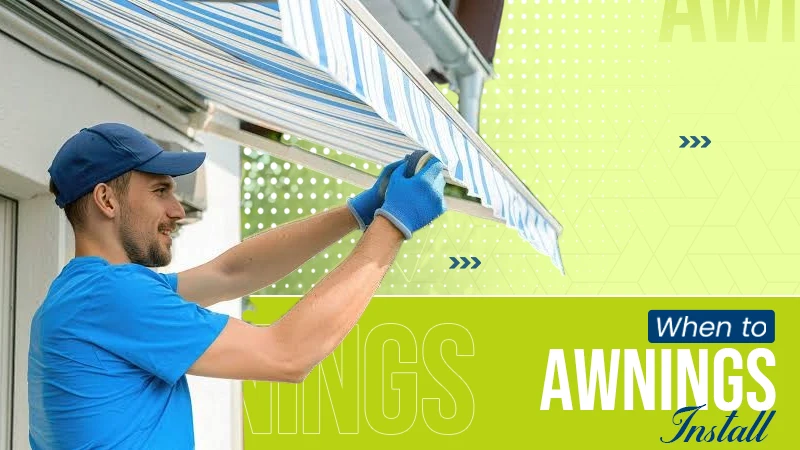
Whatever season you choose, the installation itself is usually faster than most householders expect. Most automatic foldable awnings are installed in a single visit, typically within about 3 to 5 hours.
During that visit, the team fixes the brackets to your home, hangs the awning, regulates the motor, and programs the wind sensor if your model has one. Many modern systems plug into a standard outdoor outlet instead of being essential, which means there is often no need to hire an electrician. That keeps the job simpler and helps control cost.
To prepare, clear the terrace or balcony of furniture, grills, and planters, and make sure the crew has easy access to the wall where the awning will be attached. Before they leave, a good installer will walk you through how to operate the awning and how to care for it through each season.
How Much Does an Awning Cost?
Awning pricing differs widely, so it helps to know the general range before your appointment. In the Grand Rapids area, for example, most residential automated awnings fall between $2,500 and $6,000 or more, depending on size and features.
Several factors affect where your project lands in that range:
1. Size
Larger awnings cost more because they require more fabric and a heavier frame. A 12-foot awning will cost considerably less than a 20-foot model with a deeper section.
2. Features
Add-ons such as LED lighting, upgraded fabric patterns, and extended section depths all raise the final price.
3. Installation Complexity
Homes with irregular rooflines, limited access, or non-standard growing surfaces may need additional labor. Systems that do not require hardwiring help keep this part of the cost down.
4. Custom Requirements
Separate awnings and other non-standard arrangements need custom engineering and are priced accordingly.
How to Prepare for Your Awning Consultation
A little homework before your consultation makes the process faster and helps you get a more accurate reference.
1. Assess Your Sun Exposure
Spend a few afternoons watching how the sun moves across your outdoor space. South- and west-facing terraces and balconies take the worst of the afternoon heat and usually benefit the most from shade. Note when you actually use the space, too, since that tells your installer where shade matters most.
2. Measure the Area
Measure the width of the wall where the awning will attach and how far out you want shade to reach. Many residential awnings come in widths from about 12 to 20 feet, with an estimate of up to 12 feet, so knowing your dimensions narrows the options quickly.
3. Identify the Mounting Surface
Take note of what your home is made of and where the awning will attach, whether that is record siding, wood, aluminum, brick, or masonry. The growing surface affects the hardware your installer will use and can impact installation time.
Conclusion
The best time to install an awning is spring, preferably April or May, but the best time to plan for one is late winter. Booking your session early gives you the widest choice of install dates and the best chance of enjoying shade from the beginning of summer. If spring doesn’t work for you, fall is another alternative, as long as the awning is properly prepared for winter.
Whatever your timeline, don’t wait for the first hot weekend to start shopping. Put your session on the calendar early, and your awning will be ready when the summer arrives.
FAQs
Can an awning be installed in winter?
How long does awning installation take?
Most automatic foldable awnings are installed in a single visit, typically within about 3 to 5 hours.
Do I need an electrician to install a motorized awning?
Not always. Many modern automatic awnings install into a standard outdoor escape, so no hardwiring or electrician is needed. Your installer can confirm what your specific model requires.
Related Posts