An inspection will help determine whether the damages are localized and can be fixed or spread out enough to require a complete replacement.

What You Should Know Before Repairing or Replacing Your Roof
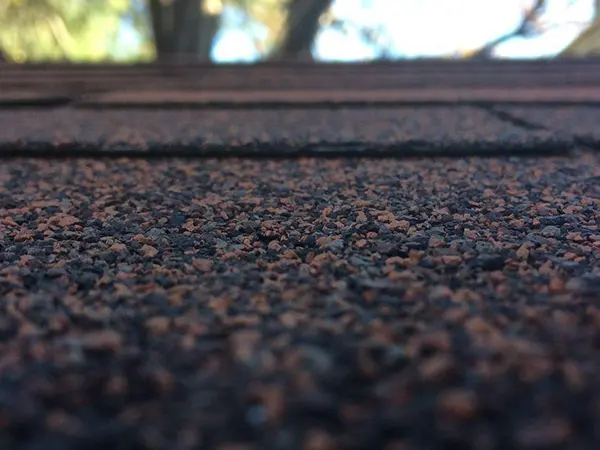
Sometimes a roof might appear perfect from ground level, but problems may be developing below its surface. This could come with a ceiling stain, shingles that start to curl up, or storm debris found in the yard.
When you are dealing with a roofing problem, one of the main concerns should be whether a simple fix is needed or whether the entire roof should be replaced. Without the proper information, one could end up incurring unnecessary expenses.
Before calling a contractor, take time to understand the warning signs, roof condition, material options, costs, and timing. Here are some things you should know before contacting any contractor for your roofing needs.
Table of Contents:
- Start With the Signs Your Roof Is Already Giving You
- A Professional Inspection Gives You Better Information
- Know the Difference Between a Repair and a Replacement
- Weather Plays a Bigger Role Than Most Homeowners Expect
- Material Choice Affects Cost, Lifespan, and Maintenance
- Budgeting Means Looking Past the Sticker Price
- Timing Matters More Than People Realize
- Good Roofing Work Protects More Than the Shingles
- Make the Decision Based on Facts, Not Panic
- FAQs
Start With the Signs Your Roof Is Already Giving You
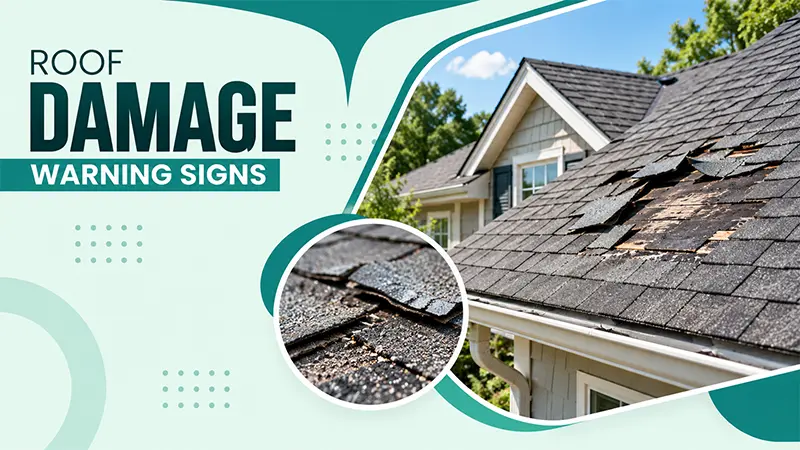
Problems with the roof usually take time to develop. You may notice curling shingles, black streaks, granules in the gutters, or the flashing is loose and separating from vents and chimneys.
Inside your home, the clues can be just as obvious. Water stains, peeling paint near the ceiling, musty attic smells, or tiny beams of sunlight in the attic all point to trouble overhead. None of those issues should sit on your to-do list for long.
Age matters too. Asphalt shingle roofs often last around 20 to 30 years, though weather, ventilation, and installation quality can change that number. A roof can look decent from the driveway and still be failing where you can’t see it. That’s the annoying part.
A Professional Inspection Gives You Better Information
Roofing decisions are expensive, so guessing is a bad strategy. A proper inspection gives you a clearer picture of the roof’s condition, the likely source of leaks, and whether repair work would actually solve the issue.
Working with companies such as Hershberger Brothers Roofing means that you get experts who will examine not only the shingles but also things like ventilation, flashing, underlayment issues, signs of damage, and moisture problems that people can overlook.
A useful inspection should leave you with specifics. Which areas are damaged? How urgent is the issue? Can repairs extend the roof’s life in a meaningful way, or are you looking at a short-term bandage? Those details matter far more than a vague “it looks rough.”
Know the Difference Between a Repair and a Replacement
When the damage affects only one area, repair may be the right solution. Maybe a few shingles blew off, flashing came loose, or a minor leak started after heavy rain. In those cases, targeted work can restore protection without turning the project into a major expense.
Replacement would be a better choice in case the damage is spread throughout the whole roof. If leaks keep showing up in different spots, the decking is soft, or the roof has reached the end of its expected lifespan, patchwork starts to feel like throwing money at a losing game.
Think of it in practical terms. Fixing one section of an aging roof can be reasonable. Fixing one section every few months is a pattern, not a plan. At that point, you’re not maintaining the roof. You’re negotiating with it.
Weather Plays a Bigger Role Than Most Homeowners Expect
Your weather conditions play a very huge role in how long your roof can last. Heat can dry out shingles and make them brittle. Heavy rain tests flashing, underlayment, and drainage. Wind can lift edges and create openings where water sneaks in.
Snow and ice create their own headaches. Ice dams can trap melting water near the roof edge, forcing moisture under shingles. In humid areas, moss and keep moisture trapped in the surface area.
Storm damage can also be deceptive. After hail or high winds, a roof may look mostly fine from the ground while the protective surface has been compromised. Insurance claims often hinge on quick inspections and good documentation, so waiting too long can complicate everything.
Material Choice Affects Cost, Lifespan, and Maintenance
If replacement is on the table, roofing material becomes a key factor. Asphalt shingles remain popular because they’re affordable, widely available, and relatively straightforward to install. They fit most budgets without causing too much financial turbulence.
Metal roofing is more expensive, but it can last much longer and handle severe weather well. It’s often attractive for homeowners who want durability and lower long-term maintenance. Tile and slate can offer strong visual appeal and long lifespans, though weight and cost can become limiting factors.
You also need to think beyond the material itself. The color of the roof can influence its heat absorption. Manufacturer warranties vary. Installation quality can make even premium products fail early if the work is sloppy. A cheap roof that needs constant repairs stops being cheap pretty quickly.
Budgeting Means Looking Past the Sticker Price
Roofing quotes can range widely, and not always for the reasons people expect. One estimate may include tear-off, disposal, upgraded underlayment, decking replacement allowances, and warranty coverage. Another may leave out enough details to make your wallet smile briefly and regret it later.
Ask what is actually included. Will damaged decking mean additional cost? Who handles permits? Is cleanup part of the contract? Are there labor warranties in addition to manufacturer coverage? These questions help you compare estimates on substance, not just price.
When dealing with insurance companies, document everything carefully. Photos, inspection reports, and timelines can make claim discussions much smoother. If you’re paying out of pocket, think in terms of value over time. The lowest quote might not always be the smartest one, especially if corners get cut where you’ll never see them.
Timing Matters More Than People Realize
Most homeowners wait until a leak becomes impossible to ignore. That delay often turns a manageable repair into damage involving insulation, drywall, framing, or even mold remediation. There is no denying that roofing problems love expanding into other categories of expense.
Seasonality can affect scheduling too. Roofing contractors often get booked heavily after storms or during peak renovation months. If you decide to do things sooner, you usually have more flexibility, less pressure, and more time to weigh your options without rainwater entering the group chat.
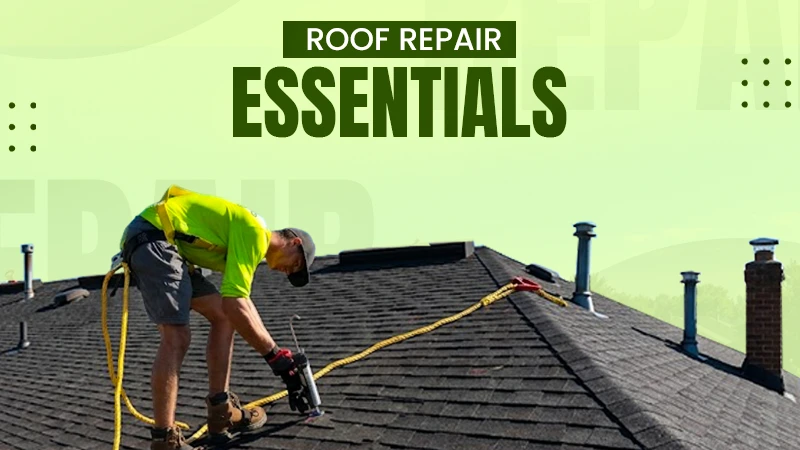
There’s also a safety issue. Climbing onto a roof without the right equipment or experience can go badly very fast. Even a single-story home presents serious risks. If you suspect damage, visual checks from the ground are fine. Actual diagnosis and repair work belong to trained professionals.
Good Roofing Work Protects More Than the Shingles
A roof is part of a larger system. It does not operate in isolation; it affects ventilation, attic temperature, moisture control, energy efficiency, and the structural health of your home. Poor roofing work can create problems that spread quietly, then become expensive with dramatic timing.
Proper installation and maintenance can help preserve insulation performance and reduce the chances of hidden water damage. They can also improve resale appeal. Most buyers tend to notice an aging roof quickly, and they often use it as leverage during negotiations.
If you plan to stay in your home for years, a dependable roof gives you something less glamorous but very valuable: peace of mind during storms. You don’t have to wonder if every heavy rain is about to introduce your ceiling to an unwanted water feature.
Make the Decision Based on Facts, Not Panic
Roofing problems can feel very stressful because they affect one of the most important protective parts of your home. Still, the smartest approach is calm and methodical. Look for warning signs, get a professional inspection, compare repair versus replacement realistically, and ask detailed questions about materials and pricing.
You don’t have to become a roofing expert overnight. You just need enough information to spot red flags and choose qualified assistance. A well-timed repair can buy you years. A well-planned replacement can protect your home for decades.
Either way, acting early usually gives you more control, better options, and fewer ugly surprises. When your roof starts signaling trouble, pay attention before it decides to get louder.
FAQs
When do I need to get my roof repaired/replaced?
How long will my asphalt shingle roof serve me?
In most cases, an asphalt shingle roof serves for about 20 to 30 years, but this may depend on other factors like the climatic conditions.
How does weather impact the lifespan of the roof?
Yes. Temperature, rainfall, strong winds, snow, ice, and humidity are all factors that can influence the aging process of a roof and potentially reduce the lifespan of some types of materials.
Will the lowest roofing bid be the right choice?
Not always. The cheapest quote might not include certain important procedures or employ good quality material. Compare bids depending on the total scope of the job, workmanship, and warranties.
Related Posts