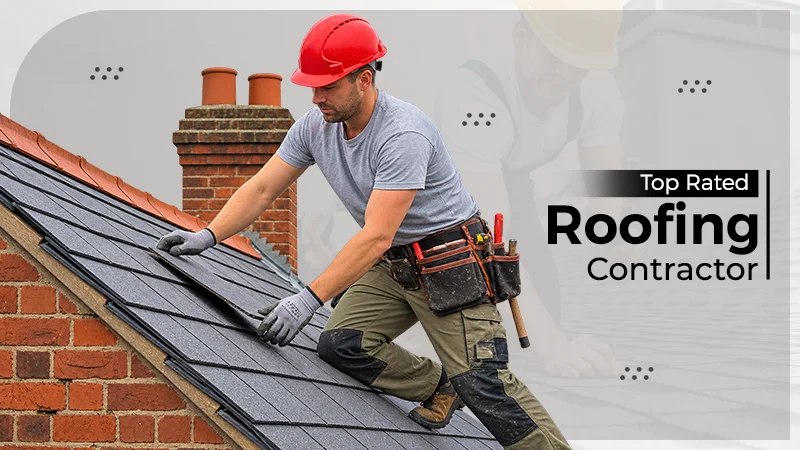
How to Know You've Found a Top Rated Roofing Contractor
“It takes 20 years to build a reputation and five minutes to ruin it.”
– Warren Buffett (Investor & Philanthropist)
Choosing a five-star-rated roofing contractor seems like a no-brainer, right? But that decimal number beside a company’s name is only the beginning.
Homeowners must examine the reputation of a roofing contractor beyond star ratings. The most reliable clues are often found in how contractors handle negative reviews, whether their licenses and insurance can be independently verified, how detailed their estimates are, and whether they have a genuine local presence. If you’re searching for a top-rated roofing contractor, here’s how to tell a highly rated company from one that simply markets itself well.
Read Reviews That Reveal How Problems Are Handled
Great roofing work can protect your home for decades. But how to find that great contractor? Going through reviews well means paying attention to more than just the five-star ones. Those confirm a job went smoothly, which is useful but expected. The two- and three-star reviews often reveal something more valuable: how a company really responds when a job doesn’t go perfectly.
What matters most is the response itself. A contractor who replies specifically, acknowledges the situation, and explains what they did to resolve it is showing just how they’d handle any issue that might come up on your own job. That kind of thoughtful, specific response is a genuinely good sign, and it’s worth reading for directly when comparing service providers.
Verify Licensing and Insurance Yourself
A fake roofing contractor can claim about licensing and insurance very easily. Fortunately, it’s easier to cross-check it as well. Surprisingly, the majority of homeowners skip this part. FTC consumer guidance advises checking that companies have licenses and insurance and never agreeing to financing arranged through a contractor without shopping around and comparing loan terms.
Directly ask for certificate numbers rather than assurances, then verify them independently with the issuing body. Insurance in particular matters more than people realise, since an uninsured worker injured on your property can become your liability. A service provider who provides documentation without hesitation is demonstrating something; one who deflects is also demonstrating something.
Look for Local Presence Rather Than Local Advertising
Storm-chasing operations emerge after severe weather, work intensively for a season, and leave. A warranty from a company that no longer exists is worthless, which makes physical presence a substantive consideration rather than a choice. Homeowners looking for a top rated roofing contractor Chicago should confirm a company has a verifiable address and history in the area rather than a local contact number.
Reviews published alongside a service area make it easier to check whether the described work actually happened as being stated. Years of local addresses in review content are harder to fabricate than a rating.
| SURPRISING STAT The Google Map 3-Pack captures approximately 44% of total clicks on local search result pages, outperforming traditional organic web results. |
Examine the Written Estimate for What It Specifies
A reliable contractor’s proposal is detailed enough to be compared against another one. A lump sum for a new roof is not an estimate; it’s a number, and comparing two bare numbers tells you nothing about whether one contractor is planning to do minor work for a major price.
What should be itemized includes underlayment type, ice and water shield placement, flashing work at penetrations, ventilation provisions, and disposal. These are the factors that determine whether a roof lasts. And their absence from a proposal frequently means their absence from the job. Estimates that differ substantially in price usually differ substantially in scope. But this only becomes visible when both are enumerated.
Ask About Manufacturer Certification
Shingle manufacturers certify contractors who meet training and quality benchmarks, and certification frequently unlocks extended warranty coverage unavailable otherwise. It’s a genuine credential rather than a marketing badge.
Worth asking is which manufacturers a contractor is certified with and what warranty level that certification supports. It’s also worth understanding that manufacturer warranties typically depend on installation following specification, meaning shortcuts can void coverage years later without anyone noticing until a claim is rejected.
Notice How They Handle Pressure and Timelines
Urgency is the most reliable warning sign in this trade, particularly after storms. A few practices are worth recognising:
- Same-day signature pressure: legitimate contractors expect you to consider a proposal
- Cash-only or large upfront fee: payment structure should be tied to progress
- Discounted materials left from another job: a long-standing pretext rather than an opportunity
- Contractor-arranged financing forced on you: worth shopping independently before agreeing
A company willing to leave a proposal with you and follow up in a week is behaving usually. One that treats a week as unacceptable is telling you something about how the rest of the job would go.
Conclusion
Ratings are a starting filter instead of the answer. More useful signals sit elsewhere. Read the complaints and how they were answered. Verify licensing and insurance with the issuing bodies rather than accepting numbers on a page. Ensure that the company has genuine local history rather than a local phone number. Compare itemized estimates rather than totals, since scope differences are where price differences come from. And treat urgency as information: a contractor comfortable giving you a week to decide expects the work to speak for itself.
FAQs
How to find a fine roofing contractor?
Look beyond their star rating. Check the substance of their reviews, verify their license and insurance independently, confirm their local business history, and compare detailed written estimates.
What should a roofing estimate include?
A detailed estimate should specify materials and the scope of work, including underlayment, ice and water shield, flashing, ventilation, labor, and debris disposal.
Are roofing manufacturer certifications important?
Yes. Manufacturer certifications generally indicate that a contractor has met specific training or installation requirements and may qualify you for enhanced warranty coverage.
Related Posts