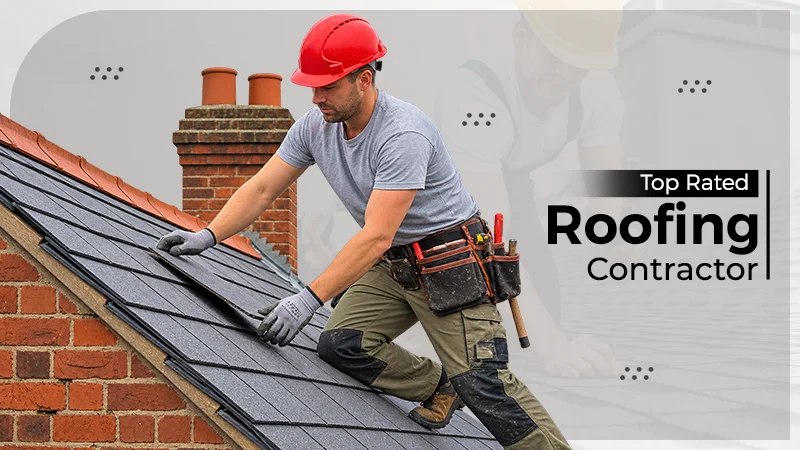
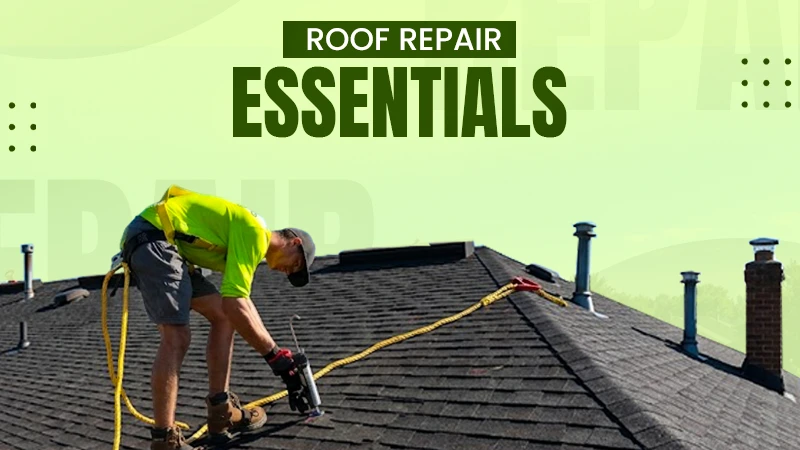
Securing ourselves on a roof is paramount for our safety as roofers. Safety equipment such as safety harnesses, roof anchors, roof brackets, and roof jacks are essential tools that help us stay safe while working at heights.

How a Great Roofing Company Protects Your Home for Decades
Most people meet their roofer during an emergency. There’s water coming through a ceiling, a storm just passed, and suddenly you’re evaluating contractors while stressed and soaking up drywall. That’s the worst possible moment to judge whether someone does good work, and it’s how a lot of homeowners end up with a roof that fails a decade early.
The difference between a roof that lasts fifteen years and one that lasts thirty rarely comes down to the shingles. It comes down to what a contractor does before, during, and after installation, most of which you’ll never see from the ground. Branson homeowners deal with real seasonal weather swings that test all of them.
Here’s exactly what goes into protecting a home for decades, rather than just patching it for now.
Table of Contents:
- Quality Work Starts With a Thorough Roof Inspection
- Every Roof Requires a Different Material Strategy
- Skilled Installation Prevents Future Problems
- Proper Ventilation and Drainage Extend Roof Life
- Ongoing Maintenance Helps Protect Your Investment
- What to Look for When Choosing a Roofing Company
- Conclusion
- FAQs
Quality Work Starts With a Thorough Roof Inspection
A proper inspection covers considerably more than the visible exterior. It includes the decking underneath, the condition of existing flashing, how the current ventilation performs, and whether there’s any evidence of past moisture intrusion in the attic.
Contractors who skip this step and quote from a driveway assessment are estimating. That guess usually surfaces later as a change order once the old material comes off and something unexpected reflects underneath. A thorough upfront inspection produces a more accurate quote and fewer surprises, which is worth more than a slightly lower initial number from someone who didn’t look carefully.
Every Roof Requires a Different Material Strategy
Material selection should result from the inspection rather than from whatever a company keeps on the truck.
- Roof pitch and sun conditions: narrowing which materials are actually appropriate based on the specific angle and light exposure of the roof
- Local weather patterns: factoring in wind, precipitation, and temperature variations specific to the region
- Structural load capacity: ensuring the house can carry the weight of the chosen material without issues
- Underlayment: the layer nobody mentions, but the one that matters most when wind drives rain sideways under shingles
- Ice and water shield placement: positioning at eaves and valleys that separates a durable installation from a merely sufficient one
Ask specifically what goes underneath, not just what goes on top. A company willing to walk through these details in detail is usually the same one that gets the underlying structure right, not just the visible finish.
Skilled Installation Prevents Future Problems
Installation quality ensures whether a thirty-year material actually delivers thirty years. Nail placement, fastener depth, shingle alignment, and how valleys and edges are handled all fall outside what a homeowner can assess afterward, which makes contractor selection the leverage point.
Manufacturer warranties frequently depend on installation following requirements, meaning shortcuts can void coverage without anyone noticing until a claim gets denied years later. Asking a prospective roofing company in Branson, MO how they record installation and whether they photograph the deck before covering it gives you something verifiable rather than a verbal assurance.
Reviewing inspection findings directly with homeowners as part of the estimate, the way First Star Exteriors does among its residential roofing and exterior services, is exactly the kind of transparency worth demanding before any material or scope decision gets finalized.
Proper Ventilation and Drainage Extend Roof Life
Attic ventilation is the detail most homeowners never hear about and one of the largest factors in roof durability. ENERGY STAR guidance explains that natural airflow in a well-vented attic moves superheated air out during summer, protecting roof shingles and removing moisture, while winter ventilation keeps the roof cold enough to reduce ice formation. This single, largely invisible system quietly influences how long the materials above it actually last.
Trapped heat degrades shingles from underneath, and trapped moisture damages decking from the inside. Both processes are invisible until they’re costly. Drainage works the same way, since gutters and downspouts sized incorrectly send water where it shouldn’t flow, and that water eventually finds the fascia, the soffit, or the foundation. By the time any of that damage becomes visible from the ground, it’s usually been developing for a substantial amount of time already.
Ongoing Maintenance Helps Protect Your Investment
Roofs benefit from periodic attention the way anything exposed to weather requires. Annual or biannual inspections catch lifted shingles, deteriorating sealant around penetrations, and debris accumulation in valleys before any of them become access points. Most roof failures trace back to a small issue that sat ignored long enough to become a bigger one.
This is genuinely low-cost work relative to what it avoids. A tube of sealant applied at the right moment costs nothing against a leak that damages insulation and drywall. Some contractors offer maintenance programs, and whether or not you use one, scheduling a look every year or two is worth building into a household schedule rather than waiting for evidence of a problem.
What to Look for When Choosing a Roofing Company
A few checks reliably separate contractors worth hiring from ones worth avoiding:
- Licensing and insurance verified independently: confirm both yourself rather than accepting a verbal statement
- Local track record: a company with years of local presence is easier to hold accountable than one that appeared after the last storm
- Written, itemized proposals: a detailed scope showing underlayment, flashing, and ventilation work rather than a single sum
- Clear warranty terms: realize what’s covered by the manufacturer versus the installer, and for how long
Contractors who introduce these questions tend to be the ones whose work holds up, since they’re the same contractors documenting their process anyway.
Conclusion
Every roof looks fine the week it’s completed. The real test arrives quietly across the following two decades: whether the decking stayed protected, the ventilation did its job, and the flashing held at every penetration. None of that is visible from your driveway, which is exactly why contractor selection carries so much importance here. Take the time to vet properly before you’re in an emergency, ask about the layers nobody advertises, and treat maintenance as part of ownership rather than an optional addition. A roof installed carefully by someone who documented their work protects a house for generations. One installed quickly by whoever showed up first protects it until the next serious weather event.
FAQs
How to stay safe as a roofer?
How do I improve my roofing company?
Winning more sales depends on world-class customer service, building trust, listening to customers, and focusing on long-term relationship building.
What are the basics of roofing?
All steep-slope roof systems (i.e., roofs with slopes of 25 percent or more) have five basic components: Roof covering: shingles, tile, slate or metal and underlayment that protect the sheathing from weather.
How to choose the best roofing company?
The best roofing company near you should have proper licensing, insurance, local experience, clear pricing, and a written contract.
Related Posts