Water damage and moisture actually damage the roof the most.

5 Roofing Maintenance Mistakes That Can Lead to Expensive Home Repairs
Your roof not only provides you with shelter but also does a lot of silent work. It keeps rain out of the attic, holds warm air inside during winter, and shields everything below it from weather that never takes a day off. It sits above, out of sight, and most people only pay attention when a brown stain shows up on the living room ceiling. By then, the problem has usually been growing for months.
The interesting part is that most of the roof repair problems often start with small mistakes that are easy to miss. Avoiding them doesn’t require climbing up there every weekend. Read the full article to learn more.
Table of Contents:
1. Skipping Regular Roof Inspections
Many homeowners only check their roof after a storm or once something has already gone wrong. A yearly inspection, plus an examination after heavy weather, can catch loose shingles, cracked flashing, and worn sealant before water finds its way inside. Many of these issues are hard to see from the ground, which is why a professional eye matters.
If it has been a while since anyone looked at your roof, scheduling a check is one of the cheapest steps you can take. An immediate visit costs far less than replacing rotted roof decking or repairing a ceiling that has been soaking up water for a season.
2. Ignoring Small Leaks and Stains
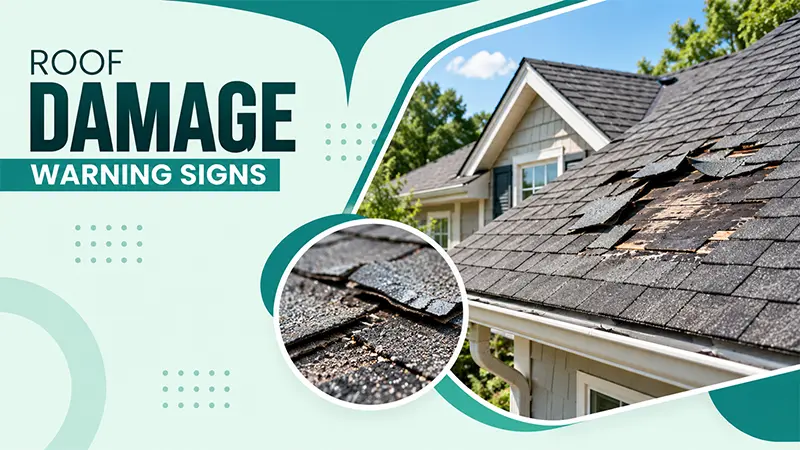
A small drip in the attic or a faint water stain on a ceiling can feel like a small annoyance. Unfortunately, water is patient. Once it gets under the roofing material, it can absorb into insulation, weaken the wood beneath, and encourage mold. What begins as a single damaged shingle can end up as a much bigger job involving drywall, insulation, and framing.
Treat any sign of moisture as a signal to start. Even if the leak seems to stop on its own, the water may still be traveling through the structure. Getting it looked at early often means a repair instead of a rebuild.
3. Letting Gutters and Drainage Go Neglected
Clogged gutters are one of the most ignored roofing problems. When leaves, twigs, and grit build up, rainwater spills over the edge rather than flowing away from the house. That water can run down fascia boards, seep behind siding, and pool near the foundation. Over time, that repeated exposure can damage the roof edge and the structure it protects.
For homeowners in the Pasadena area, scheduling a roof inspection with a Pasadena roofing company with Rivas Roofing can also help identify drainage problems and ensure roof edges and gutters are in good condition.
Here is an easy seasonal checklist to keep drainage on track:
- Clear gutters and downspouts at least twice a year, particularly after fall leaves.
- Make sure downspouts direct water multiple feet away from the foundation.
- Look for sagging gutters, separated seams, or granules collecting in the gutter trough.
4. Overlooking Ventilation and Attic Health
Roofs need to breathe. Poor attic ventilation collects heat and moisture, which can shorten shingle life, cause condensation, and cause rot in the roof sheathing. Many homeowners don’t realize there’s a problem until they notice higher energy bills or a musty smell in the attic.
Check that soffit and ridge vents aren’t blocked by insulation or debris. If you found frost on nails or dark staining on the underside of the roof deck, those are signs that moisture is collecting up and needs attention.
5. Trying Risky DIY Fixes or Waiting After Storms
Handy homeowners sometimes try to patch a roof on their own, but a badly sealed patch can fail quickly and hide the actual damage underneath. Walking on a roof also carries serious safety risks. Storm damage is the next area where waiting can backfire. Hail, high winds, and falling branches can loosen materials in ways that aren’t obvious, and insurance claims can become difficult to manage if too much time passes.
Wind is a good example of why maintenance matters. According to FEMA’s hazard mitigation guidance for homeowners, new asphalt shingles are designed to withstand wind speeds of up to 116 miles per hour. That protection only works when the shingles remain sealed and undamaged, which is exactly what periodic checks help confirm.
A licensed professional can assess the complete extent of the damage and recommend the right repair. Think of it as paying for accuracy instead of guesswork.
Final Thoughts
Roof maintenance is hardly exciting, but it’s one of the smartest investments a homeowner can make. Periodic inspections, quick attention to leaks, clear gutters, healthy ventilation, and professional help when it counts can prevent small problems from becoming expensive home repairs. Create a simple seasonal routine, keep an eye out for early warning signs, and your roof will be far more likely to protect your home for years to come.
FAQs
What damages the roof the most?
What is the average lifespan of a roof?
The average lifespan of a roof is roughly 10-15 years.
What is the longest-lasting roof material?
The longest-lasting roof material is natural slate.
Related Posts