Colours that make the house look expensive are navy blue, charcoal grey, and chocolate brown.

How to Tell If Your Home’s Exterior Needs Attention Before Small Problems Turn Expensive
Homeowners often ignore their home exterior until suddenly one day it shows up as an expensive part of the home budget. In places like Twinsburg, different weather conditions such as snow, rain, wind, and summer heat all take turns testing your roof and siding. Sometimes these small signs of repair turn into a serious repair issue.
If you are aware of what signs to look for early, you can make smarter decisions, avoid surprise damage, and keep your house looking solid without guessing your way through it.
Table of Contents:
- Moisture is Usually the Real Villain Behind Major Exterior Damage
- Your Roof and Siding Take More Abuse Than You Probably Realize
- The Warning Signs Are Often Subtle Before They Become Obvious
- Age, Materials, and Installation Quality All Shape What Happens Next
- A Smart Inspection is About Context, Not Just A Checklist
- Timing Repairs Well Can Save Money and Reduce Future Disruption
- Paying Attention Now Makes Every Later Decision Easier
- FAQs
Moisture is Usually the Real Villain Behind Major Exterior Damage
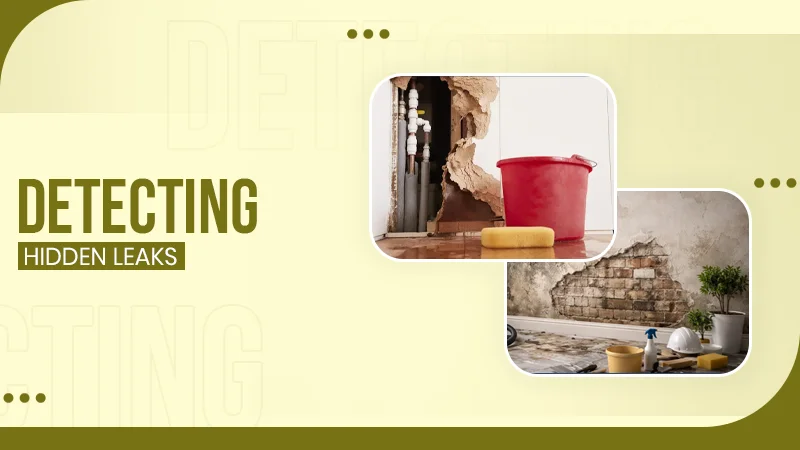
Most homeowners only pay attention to visible surface damage, but moisture causes the deeper trouble. Water can run behind siding, enter through lifted shingles, or seep through compromised flashing. Once it gets in, it doesn’t just sit in one place.
It can soak insulation, weaken wood framing, encourage mold, and stain interior finishes. Over time, consistent moisture exposure can create structural problems that cost far more than replacing a few damaged materials outside.
That’s one reason timely checking matters. If you’re comparing local options for exterior work, looking into a roofing and siding company in Twinsburg can help you understand what weather-specific wear looks like in that area and what solutions fit the home styles usually found there.
You’re not just inspecting for cosmetic flaws. You’re checking whether your house is still shedding water the way it was designed to.
Your Roof and Siding Take More Abuse Than You Probably Realize
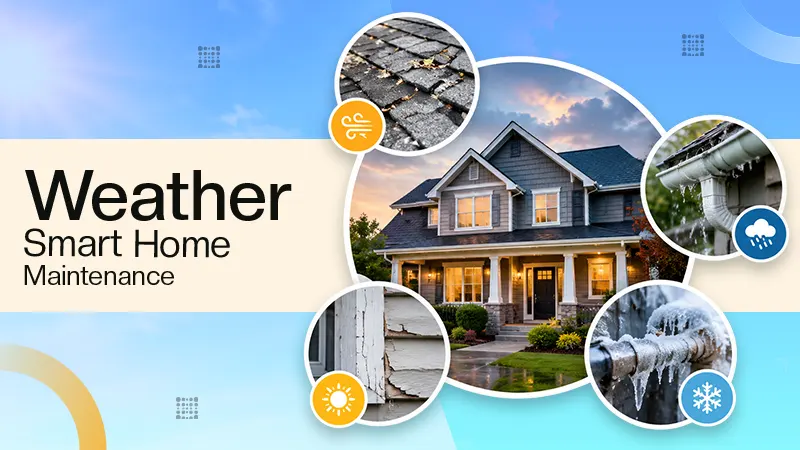
A home’s exterior deals with the kind of constant stress most people ignore from the ground. Your roof gets hit with UV exposure, wind lift, moisture, freezing temperatures, and debris. Your siding manages rain splash, temperature swings, pests, and trapped humidity.
In Northeast Ohio, that cycle can be particularly rough. Winter ice can work into tiny gaps, then expand and make them worse. Summer heat can fade materials and expose weak parts. One season softens things up; the other one tests what survived.
That doesn’t mean you should panic every time you see a loose shingle. It means paying attention before a minor exterior problem starts acting like a demolition enthusiast. Most costly repairs begin with something small that sat unnoticed for too long.
The Warning Signs Are Often Subtle Before They Become Obvious
Exterior damage hardly announces itself with dramatic flair at first. More often, it starts with details that seem easy to ignore. You can notice curling shingles, granules collecting in gutters, warped siding panels, cracked caulk, or peeling paint near trim.
Inside the house, clues can show up too. Water stains on ceilings, musty smells in the attic, drafts near upper walls, or rising energy bills may point to roofing or siding issues rather than HVAC issues alone.
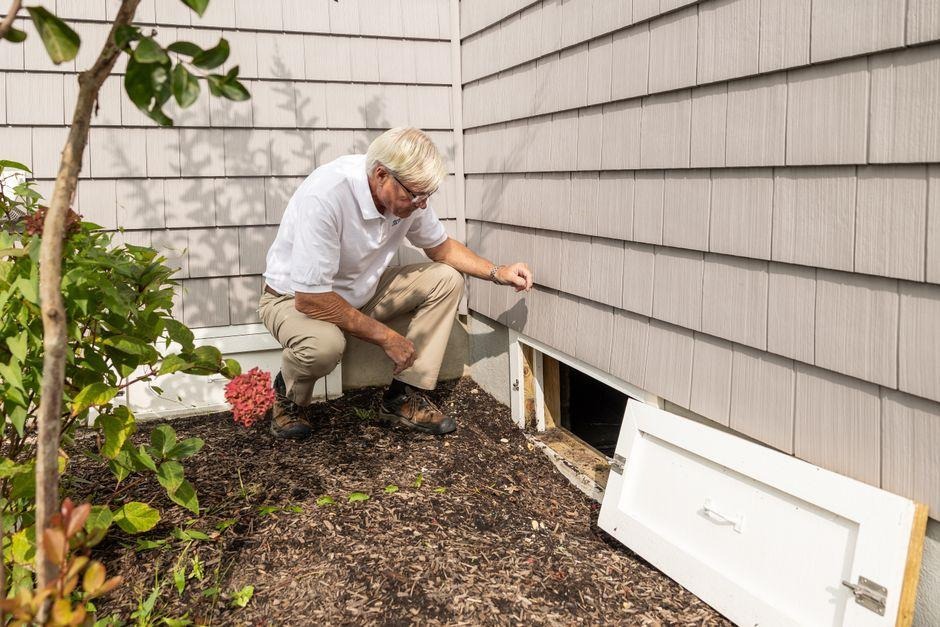
Walk around your home after a heavy storm and check carefully. Check corners, roof edges, flashing, and places where siding meets windows and doors. If one section seems different from the rest, it deserves a closer look.
Small inconsistencies are important. Exterior systems work as a team, and one weak link can invite moisture where it definitely doesn’t pay rent.
Age, Materials, and Installation Quality All Shape What Happens Next
Not every roof or siding problem means full replacement. The right next step relies on age, material type, and how well the original installation was done. Asphalt shingles, vinyl siding, fiber cement, and engineered wood all age differently and fail in many ways.
A newer roof with isolated storm damage might need a specific repair. An older roof with widespread wear, soft decking, and repeated leaks may be near the end of its important life. Siding can be similar. One cracked section might be fixable, but broad warping or moisture behind panels usually points to a larger problem.
Installation quality also matters more than many people think. Even premium materials can fail early if flashing was poorly placed, ventilation was ignored, or fasteners were installed incorrectly. A nice product can’t save sloppy workmanship. Harsh, but correct.
A Smart Inspection is About Context, Not Just A Checklist
A good exterior inspection goes beyond spotting damage. It looks at how your roof, gutters, soffits, fascia, siding, flashing, and ventilation work together. If one part fails, stress usually spreads to the others.
For instance, clogged gutters can push water behind fascia boards. Poor attic ventilation can trap heat and moisture, shortening roof life from the inside out. Siding gaps around windows can allow water that later shows up as interior drywall damage.
When you assess your home, think in systems. Ask practical questions:
- Has anything changed after recent storms?
- Are problem areas repeating in the same spots?
- Do exterior issues line up with interior symptoms?
- Are repairs stacking up without lasting results?
That broader view helps you avoid patching the symptom while the actual cause keeps doing laps around your house.
Timing Repairs Well Can Save Money and Reduce Future Disruption
Waiting too long usually turns straightforward repairs into larger projects involving insulation, sheathing, framing, or interior finishes. Acting early gives you more alternatives. It also makes scheduling easier, particularly before peak storm seasons or contractor backlogs.
If you suspect trouble, record what you see. Take photos after storms, note dates, and track any leaks or visible changes. That record helps when discussing repair history, insurance questions, or recurring issue areas.
You should also think about resale, even if moving isn’t on your radar yet. Buyers notice obvious exterior wear fast, and inspectors definitely won’t miss it. A well-maintained roof and siding can support property value, improve curb appeal, and minimize negotiation drama later.
Home maintenance isn’t glamorous. No one throws a party for properly installed flashing. Still, catching problems early is one of the most practical ways to protect your house, your budget, and your future plans.
Paying Attention Now Makes Every Later Decision Easier
Your exterior gives clues long before failure becomes difficult to avoid. If you learn those signs and respond early, you put yourself in control rather than reacting during the next storm or leak.
Keep an eye on wear patterns, moisture signals, material age, and changes after harsh weather. Take concerns seriously even when they seem minor. A loose panel or a few missing shingles can be the beginning of a larger chain reaction.
The aim isn’t to become a roofing expert overnight. It’s to notice enough to ask better questions, get timely help, and avoid preventable damage. That strategy keeps repairs more manageable and helps your home stay strong through the very real requirements of Twinsburg weather.
Your house doesn’t need constant worry. It does need attention at the right time.
FAQs
What colors make a house look expensive?
What increases a house price the most?
Some little things, timely repairs, and good maintenance increase the house price the most.
What actually adds value to a house?
Exterior curb appeal and kitchen remodelling add value to a house.