If any water damage happens, ensure safety and stop the source from which water is leaking.

How to Restore a Water-Damaged Home After Water Removal
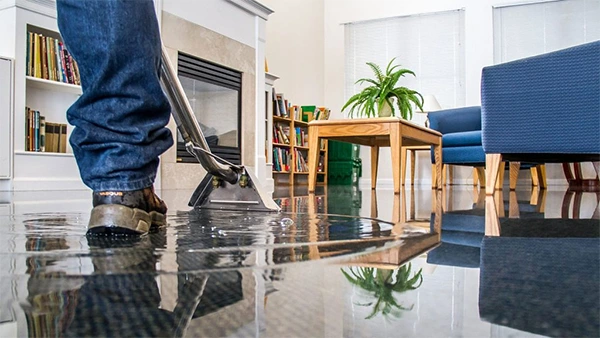
Water removal is actually the first step one should take after a water leak, burst pipe, or flood. But despite all this, damp materials and hidden moisture may still cause trouble. Walls, floors, and cabinets need attention before rooms are ready for use. Bringing a damaged home back to life takes more than drying what can be seen.
A clear restoration plan supports identifying what types of cleaning are required, repair needs, or replacements. It also helps avoid problems from becoming severe issues and makes sure that each affected area receives the right care before rebuilding work starts.
Table of Contents:
Check the Home Before Starting Repairs
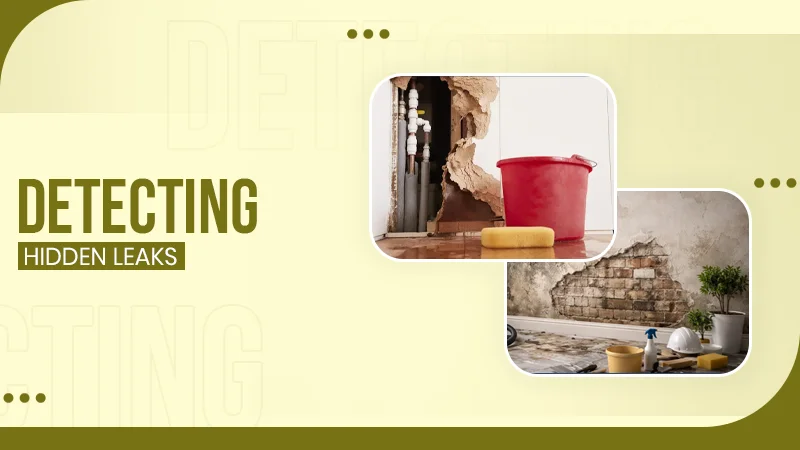
After water removal, affected areas require careful checks. Water can travel behind walls, under flooring, and into cabinets. A room may look dry while moisture stays inside materials. Moisture checks show where further drying is required and which items may be unsafe.
The source of the water is also important. A clean supply pipe leak is different from floodwater that may carry dirt or harmful substances. Cleaning and safety steps rely on the water type and how long it has been present. Electrical systems should not be used in wet areas until they have been inspected by a qualified professional.
Dry the Structure Fully
Drying matters because trapped moisture can destroy materials and encourage mold growth. Fans, air movers, and dehumidifiers may be used to move air and eliminate moisture. Their placement and running time depend on the size of the affected area, the materials, and the moisture readings.
Opening windows may not be appropriate when outdoor air is humid. Drying should continue until checks show that affected materials have reached acceptable moisture levels. Rushing this stage can leave damp areas hidden behind new paint, flooring, or cabinets. Accurate drying gives later repair work a better starting point.
Clean and Sanitize Affected Areas
Once the area is dry enough for cleaning, surfaces that came into contact with water may require to be washed and sanitized. The method relies on the material and the type of water. Hard surfaces may be cleaned with suitable products, while porous items, for example insulation or some ceiling tiles, may need removal if they cannot be safely cleaned.
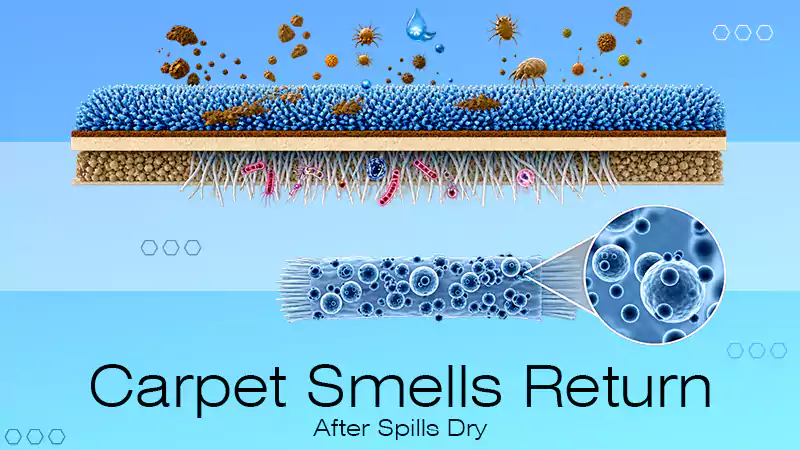
Valuable furniture, rugs, and belongings should be checked individually. Some items can be cleaned and dried, while others may be too damaged to restore. Better products and label directions help protect surfaces. Strong smells should not simply be covered with air fresheners; they may indicate to moisture or dirt that still needs attention.
Repair or Replace Damaged Materials
After drying and cleaning, another step is to decide which parts of the home can be repaired. Small areas of damaged drywall may be eliminated and replaced. Flooring, baseboards, cabinets, and doors may need repair or replacement depending on how badly water has affected them. Keeping damaged materials in place can cause further problems later.
Repairs should match the home’s structure and finish. Replacement flooring requires a suitable base, and new drywall should not cover areas that stay damp. If the water has affected wiring, plumbing, or structural parts, qualified tradespeople should check and complete that work. This helps make the restored space safe as well as attractive.
Understand When Professional Help Is Needed
Water damage involves tasks that must happen in the correct order. Assessment, extraction, drying, cleaning, sanitizing, and reconstruction each play a different role. A professional team can use moisture detection tools, appropriate drying equipment, and planned repair steps to manage the work. This can be especially helpful when water has spread into multiple rooms or hidden spaces.
For property owners comparing restoration options, water damage repair by Green Renovation Group includes assessment, water removal, drying and dehumidification, cleaning and sanitizing, and restoration or reconstruction. The company also explains assistance with insurance claims. The exact work needed depends on the damage found during inspection, so a clear scope should be discussed before repairs start.
Prepare the Home for Everyday Use
Before rooms return to use, completed work should be inspected. Floors should feel stable, doors and cabinets should open properly, and repaired surfaces should be finished properly. Any equipment or systems affected by water should be checked by the right professional. It is also important to keep records of repairs, material details, and inspection results. A checklist helps monitor each repair.
Prevention can minimize the chance of another major problem. Regularly checking plumbing connections, water heaters, roof areas, and appliance hoses may help show leaks early. Knowing where the main water shutoff is located can also help reduce damage if a pipe fails. These habits cannot avoid every incident, but they can support a quick response.
Final Thoughts
A home is not fully restored when the visible water disappears. Careful drying, cleaning, inspection, and repair help address the damage left behind. Following each stage in the correct order can make rooms safer, more comfortable, and ready for daily life again.
FAQs
What should I do immediately after water damage?
How long does it take for water damage to dry out?
It often takes 3 to 5 days for water damage to dry out.
What is the most common cause of water damage in houses?
The most common cause of water damage in houses is plumbing failures.