Ans: The following are the signs of leaks:
- Bubbling paint
- Soft drywall
- Ceiling discoloration
- Mildew smells

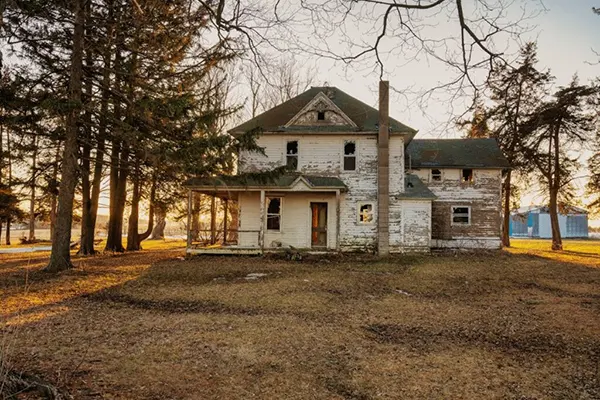
Most people judge the condition of a place by what they see first. Fresh paint, clean floors, stylish lighting, and more. By looking at these, the house may appear flawless on the surface, but could also hide serious problems behind the scenes.
These issues tend to develop over time until they become impossible to ignore and require expensive maintenance to fix. But learning where to look gives you a better chance to deal with these before they turn into a major repair project.
This article outlines some of the most overlooked spaces your home might have that may be concealing concerning issues right under your nose.
Key Takeaways
- Crawl spaces usually become the starting point for serious structural and moisture-related problems
- Even homes with modern waterproofing systems can slowly develop issues over time due to rising soil pressure, drainage failures, or seasonal changes
- Improper drainage leads to the collection of water near the home instead of flowing safely away from it
- One of the smartest ways to reduce the expenses of long-term repairs is to perform routine inspections throughout the property
Crawl spaces are one of the most neglected parts of a home. They remain dark, cramped, and inconvenient to access, leading to homeowners avoiding them completely. Unfortunately, these spaces often become the starting point for serious structural and moisture-related issues.
Because these areas sit close to the ground, they naturally attract humidity. Poor ventilation, plumbing leaks, groundwater seepage, and condensation can all create damp conditions beneath the house. Once moisture enters the crawl space, it rarely stays isolated.
Wooden support beams may weaken over time. Insulation can absorb moisture and lose its effectiveness. Mold might spread into surrounding materials while pests relocate in the search for damp shelter. Eventually, issues below the home begin to affect the rooms above.
Many crawl space issues reveal themselves indirectly through symptoms inside the home. Watch for warning signs such as:
Such symptoms may appear harmless at first, but they usually indicate deeper structural concerns underneath the property.
Professionals like Acculevel frequently inspect crawl spaces to identify moisture buildup and structural movement before they become major repairs.
Warm air naturally rises throughout a home. As moisture accumulates in the crawl space, humid air can slowly rise into living areas. This process affects indoor air quality and creates conditions that encourage mold growth elsewhere in the structure.
In many homes, moisture problems below the floor gradually damage hardwood flooring, carpeting, and walls. Repair costs tend to increase exponentially once the damage extends beyond the cramped space.
Basements are naturally vulnerable to moisture as they sit below ground level. Even homes with modern waterproofing systems can slowly develop issues over time due to rising soil pressure, drainage failures, or seasonal changes.
Most homeowners look only at the center of the basement and ignore storage corners, utility spaces, and areas hidden behind shelves. These forgotten spaces usually reveal the earliest signs of trouble.
Small water stains along concrete walls may indicate groundwater intrusion. White powdery residue called efflorescence often forms when moisture passes through masonry materials. Peeling paint, warped trim, or damp smells can also signal ongoing water exposure.
One of the biggest mistakes homeowners make is making the assumption that minor basement moisture is normal. While slight humidity may not cause immediate damage, persistent moisture slowly weakens materials over time.
Water can damage:
Mold also thrives in damp basement conditions. Once mold spreads into hidden wall cavities or ventilation systems, cleanup becomes far more complicated and expensive.
Not every crack signals structural disaster, but cracks should never be ignored entirely. Horizontal cracks, widening gaps, or stair-step cracks in masonry walls may indicate shifting soil or foundation pressure.
Foundation movement rarely improves on its own. Early inspection reveals whether the issue is just cosmetic or structural before the damage increases.
Attics rarely receive regular inspections unless someone notices a roof leak or searches for holiday decorations buried beneath dusty boxes from another decade. Meanwhile, heat buildup and hidden moisture quietly affect the structure from above.
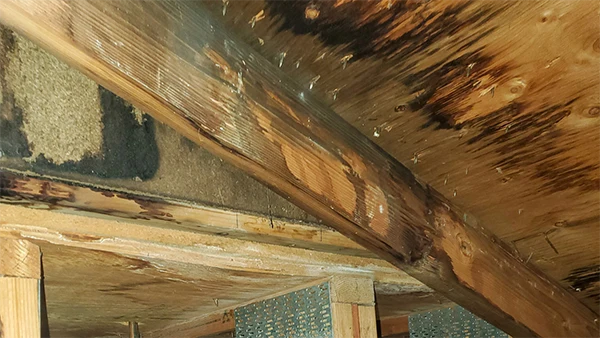
Roof leaks often begin slowly. A tiny opening near flashing or shingles may allow water to drip into the insulation without immediately causing ceiling stains below. Over time, moisture damages wooden roof decking and encourages mold growth inside enclosed spaces.
Attics become extremely hot during warmer months. Without proper ventilation, trapped heat decreases the lifespan of roofing materials and increases strain on the house’s cooling systems.
Poor attic ventilation may lead to:
Some homeowners never realize their attic has ventilation issues until roof repairs become necessary much earlier than expected.
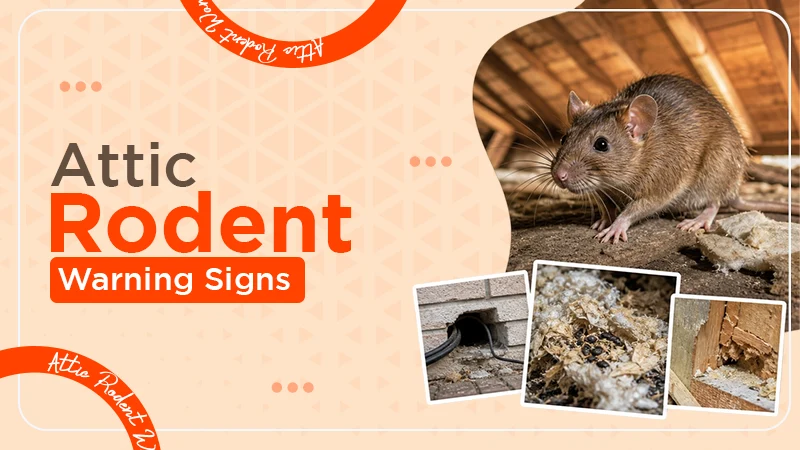
Rodents and insects often enter attics through tiny gaps near roofing materials or vents. Once inside, pests may chew wiring, damage insulation, and leave behind contamination.
Odd scratching sounds at night or sudden insulation damage may point to unwanted attic visitors conducting an unauthorized renovation project.
Many expensive home problems begin outside rather than inside. Water management around the property affects the foundation, basement, crawl space, and landscaping.
Improper drainage leads to the collection of water near the home instead of flowing safely away from it. With time, saturated soil places pressure against the foundation walls, thereby increasing the risk of water intrusion.
Several outdoor warning signs deserve attention:
Small drainage problems may not seem urgent initially, but repeated water exposure gradually weakens surrounding materials.
Expanding and contracting soil creates constant pressure around the foundation. During wet seasons, the soil swells with moisture. During dry periods, it contracts. This movement slowly shifts the structure over time.
Signs of soil-related movement may include:
The earlier these changes receive attention, the easier repairs typically become.
Did You Know?
Small maple tree seeds are a major cause of clogged gutters and downspouts, leading to water overflowing and pooling around foundations.
Every plumbing failure doesn’t involve dramatic flooding scenes similar to what we see on our televisions. Many leaks creep slowly behind walls, flooring, or near appliances, where they remain unnoticed for long periods.
A small drip inside a wall cavity can quietly damage insulation, drywall, and framing materials while encouraging nearby mold growth.
Hidden plumbing leaks often reveal themselves through subtle symptoms such as:
Ignoring these clues allows moisture to continue spreading behind finished surfaces.
Laundry rooms, dishwashers, refrigerators, and water heaters commonly develop slow leaks around hoses or loose connections. As these areas are usually partially hidden, homeowners may not notice damage until their flooring begins to warp.
Checking appliance connections regularly can prevent surprisingly expensive repairs later.
Garages experience constant stress from vehicle weight, temperature changes, and moisture exposure. Despite heavy use, many homeowners rarely carefully inspect their garage flooring or structural conditions.
Cracks in the slabs sometimes show normal settling, but widening gaps or uneven surfaces may show signs of shifting soil beneath.
Water entering through floor cracks or garage doors may eventually affect nearby walls and storage areas. In colder climates, freeze-thaw cycles can worsen existing cracks over time.
If the garage door suddenly stops closing evenly or the floor develops noticeable movement, the underlying foundation may deserve closer evaluation.
Heating and cooling systems produce condensation naturally during operation. If drainage lines clog or develop ventilation issues, moisture can accumulate around HVAC equipment.
These utility closets and mechanical rooms often remain overlooked as they stay tucked away from daily use spaces.
Excess moisture near HVAC systems may lead to:
Routine inspections help prevent small maintenance issues from becoming larger repair problems.
Many owners blame seasonal weather when doors begin to stick or windows stop opening smoothly. Although humidity can affect wood temporarily, consistent stick may indicate structural movement.
As foundations shift, frames may become uneven. Small gaps sometimes appear around trim or at corners where walls begin to separate slightly.
Structural movement often develops gradually. Watch for:
These small symptoms may connect to larger movements happening elsewhere in the structure.
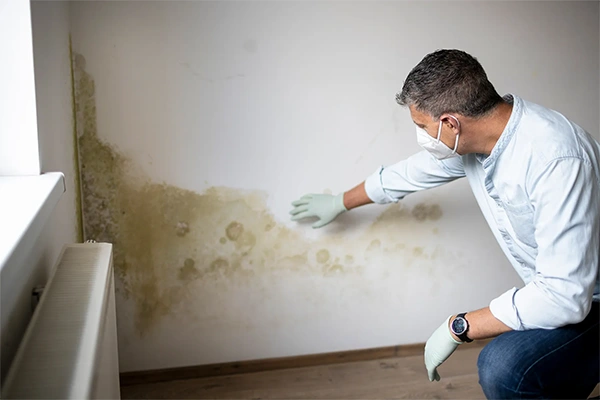
Mold rarely stays contained in one isolated location. Once moisture exists consistently, mold spores may spread through ventilation systems and hidden cavities throughout the home.
Unfortunately, mold growth behind walls or beneath flooring often remains invisible until odors become noticeable.
In addition to material damage, mold may contribute to:
Addressing moisture quickly remains the most effective way to prevent widespread mold issues.
One of the smartest ways to reduce the expenses of long-term repairs is to perform routine inspections throughout the property. Small issues always cost less to fix than major damage discovered long after.
Homeowners should periodically inspect:
Even a simple seasonal walkthrough helps identify changes before they escalate.
The most expensive home damage often develops in places people rarely think about. Crawl spaces, basements, attics, drainage systems, hidden plumbing areas, and utility spaces quietly absorb moisture and stress long before visible warning signs appear.
Paying attention to minor clues today can prevent massive repair bills tomorrow. A faint smell, a sticking door, or a small crack may seem small at the moment, but homes tend to whisper before they scream.
Regular inspections and proactive action always provides with the best chance to protect your property from long-term structural and moisture-related damage. The hidden spaces beneath, above, and behind your living spaces deserve as much attention as the polished rooms guests actually see.
Ans: The following are the signs of leaks:
Ans: Yes, increased mold can create issues such as persistent odors, allergy symptoms, respiratory irritation, and indoor air quality concerns.
Ans: Expanding and contracting soil creates pressure around the foundation. Changing weather allows the soil to swell and contract, thereby shifting the structure over time.
Ans: These problems can be resolved by conducting routine inspections of every area of the property. Regular maintenance also helps keep everything running smoothly.