Because fast restoration helps to prevent water, smoke and other damage from affecting further. This cuts down the costs.

Why Fast Restoration Matters After Property Damage
No one can guarantee no property damage. Whether it is about a flood or extreme weather conditions, unexpected things can happen anytime. What matters the most is the way you react at that moment, and how fast you take action.
In such a situation, most of the homeowners get panicked and fail to do what they should. Delaying the cleaning and repairing process can lead to bigger issues, such as water-soaked walls, a frustrating smell of smoke, or widespread mold.
This article will help you learn why fast restoration matters after property damage and help to scale up small issues into the larger ones.
Key Takeaways
- Property damage can spread very fast in case of a delayed cleanup and repair process.
- Water damage can effectively affect the structure by weakening the walls and other materials in just hours.
- Professional repair teams use advanced strategies and equipment to clean and dry the hair.
Table of Contents:
How Property Damage Gets Worse Over Time
Movement follows destruction when property gets harmed. Walls, floors, even ceilings – water finds paths within hours. A tiny drip might seem quiet, yet left alone, it eats away at the structure over time.
Odors stick around after fires, clinging to couches, curtains, maybe even baseboards. When moisture lingers, spores take hold – spreading quietly across corners people often ignore. Cleaning gets tougher the longer it sits, costing more each day delay piles up.
Water Damage Spreads Quickly
Water may seem safe at first, but it can cause big problems fast. Wet drywall, wood, and flooring can start swelling or wearing down within an hour. The longer moisture resides trapped inside the property, the more disruption it causes.
Mold Can Grow Within Days
Mold forms in dark and damp spaces, especially after flooding or leaking. Sometimes people don’t even know that mold is emerging behind walls or under carpets until they identify it. Mold can also worsen indoor air quality and provoke allergies or lung issues.
Smoke and Soot Continue Causing Damage
After a fire, smoke and soot don’t just leave on their own. They attach to surfaces and keep building stains and strong odors over time. If cleanup is put on hold, those smells can grow deep into furniture, carpets, and walls.
Benefits of Fast Restoration Services
Quick restoration helps stop corrosion before it spreads further. That’s one of the major reasons restoration companies reply right away after disasters. The faster the cleanup starts, the better chance there is of saving assets inside the property.
Fast restoration also helps people feel less confused during a stressful event. When professionals do the drying, cleanup, and repairs quickly, homeowners and business owners can focus on converting things back to normal. Honestly, that peace of mind matters a lot during unexpected events.
Helps Reduce Repair Costs
Small problems can turn into costly repairs if they’re left untreated. Water damage that began in one room can pass through the flooring, insulation, and coverings pretty fast. Quick restoration helps limit the incident and lowers cleaning costs.
Protects Structural Integrity
Moisture can degrade wood, drywall, and even basement floors over time. Fast drying and upgrades help keep the building stable and safe. This is most important after flooding or severe leaks.
Improves Indoor Air Quality
Water damage and smoke can result in harmful particles in the air. Restoration professionals clean and dry moisture before bacteria and mold spread further. Cleaner air makes the property safer and more peaceful for everyone inside.
Speeds Up Recovery Time
The faster restoration gets started, the sooner life can return to how it was. Families can move back into their homes faster, and businesses can open up sooner. Quick action helps minimise stress and discomfort after property damage.
Common Situations That Need Immediate Restoration
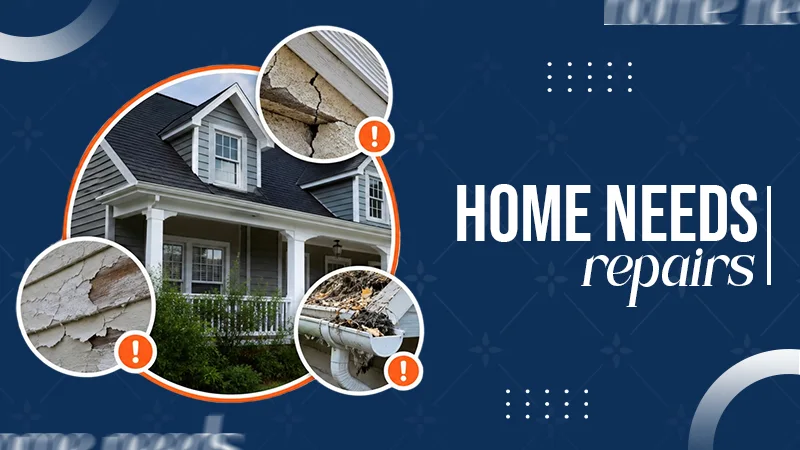
Many situations can lead to severe property damage. Flooding, fires, storms, and plumbing leaks are some of the most typical issues homeowners deal with. Even smaller issues can turn into costly repairs if they aren’t fixed quickly.
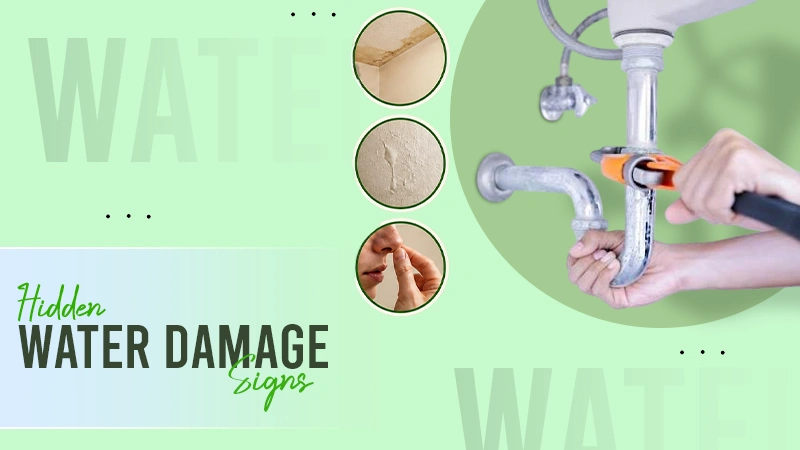
Some damage is seen right away, while other problems stay masked behind walls or under tiles. That’s why professional checks are important after any kind of crisis. Restoration experts know how to find subtle damage before it gets worse.
Flood and Storm Damage
Heavy rain and storms can push water into homes rapidly. Roof leaks, flooded basements, and damaged windows often leave moisture stuck inside. Fast cleanup helps prevent mold growth and structural decay.
Fire and Smoke Damage
Fires leave behind more than burned leftovers. Smoke and soot can pass throughout the entire estate, even in rooms far from the fire. Quick restoration helps fix odors, stains, and dangerous debris.
Burst Pipes and Plumbing Leaks
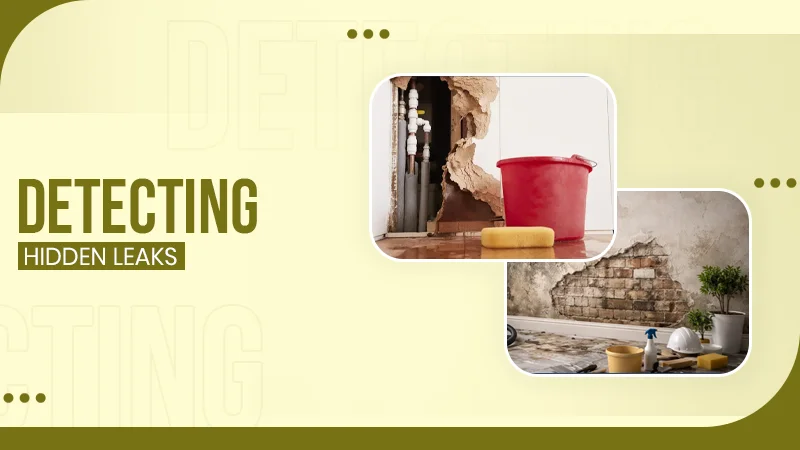
Burst pipes can drain a huge amount of water in minutes. Water can get into flooring, walls, and furniture before people even know how bad the leak is. Direct drying and cleanup help ease long-term damage.
Mold Infestations
Mold spreads fast when moisture is left unfixed. It can grow behind walls, under sinks, and inside carpets without being seen from far away. Fast mold treatment helps keep the problem from spreading through the property.
What Professional Restoration Companies Do
Professional property restoration companies do much more than basic cleanup. They test the property, remove damaged materials, dry affected areas, and repair parts of the home or building. Their task is to restore the property gently and as quickly as possible.
Professional teams also use equipment that most homeowners don’t have rights to. Things like industrial fans, moisture meters, and air purifiers help accelerate the drying process. Honestly, proper gear makes a huge difference during repair work.
Emergency Inspection and Damage Assessment
Restoration professionals first test the property for direct and hidden damage. They test walls, flooring, ceilings, and other damaged areas carefully. This helps create a clear cleanup and maintenance plan.
Water Extraction and Drying
Standing water needs to be emptied quickly to deter further damage. Restoration teams use pumps, fans, and dehumidifiers to dry the property fully. Proper drying helps stop mold and structural issues from arising.
Cleaning, Sanitizing, and Deodorizing
Floodwater and smoke can pass behind bacteria, odors, and harmful particles. Restoration crews clean and cleanse affected areas to make the property safer. They also remove smoke smells and lingering odors from the floors and furniture.
Repairs and Restoration
After the cleanup, fixes begin to restore damaged areas. This may include restoring drywall, flooring, insulation, or ceilings. The idea is to return the property to its original design as much as you can.
How to Respond Immediately After Property Damage
The first few hours after property losses are critical. Taking quick action can help cut repair costs and prevent the extra damage from spreading. Being calm and bent on safety should always come first.
Once everyone is safe, it’s important to report the damage and contact restoration professionals right away. Fast reaction times help protect your property and accelerate the recovery process. Honestly, waiting too long usually means more stress and bigger repair charges later.
Prioritize Safety First
Turn off services if the area is unsafe or flooded. Avoid moving in damaged spaces with electrical problems or structural issues. Safety should always come before cleanup work.
Document the Damage
Take photos and videos of destroyed rooms, furniture, and valuables. This recording can help with insurance claims later on. Keeping records also helps recovery teams understand the extent of the damage.
Contact a Restoration Company Right Away
Professional restoration teams can react quickly after disasters. Fast cleanup helps stop damage from extending throughout the property. Early restoration also raises the chances of saving materials and personal items.
Conclusion
In essence, the longer it is delayed to fix the problem, the bigger it will get over time. Later on, it becomes much harder and more expensive to repair. Whether the issue is part of excess water, heavy storm or smoke – reacting on time can definitely better protect both the home and the people who live in it.
At the end of the day, while unexpected things can happen at any moment, reacting on time and taking effective steps can ensure faster recovery and comparatively fewer long-term issues.
FAQs
Why is fast restoration important after the damage?
How fast will the mold start to grow after water damage?
In a few days, mold can begin to spread if the area is not properly ventilated and does not have the right atmosphere for it.
Can small water leaks result in heavy damage?
Yes, even small leaks can slowly start to damage the wall, trap inside the floor and affect the furniture over time.