Ans. The world’s fastest-growing energy source is Solar energy.

The Future of Energy: How Modern Power Systems Are Changing
Modern power grids are undergoing a transformation to keep pace with modern technology and digital infrastructure. Developing local microgrids enables communities to create, store, and manage their own power independently during emergencies. Decentralised systems protect important infrastructure from widespread blackouts caused by unexpected harsh weather events. Investing in distributed clean energy creates a resilient, long-term framework for sustainable urban development.
Read the full blog to know more about how modern revolutionary power systems are changing and the future of energy.
Table of Contents:
- Key Highlights
- The Dawn of Intelligent Energy Architecture
- Integrating Renewable Energy into Decentralised Networks
- The Role of Smart Meters and Digital Utility Infrastructure
- Next-Generation Battery Storage and Grid Stability
- Empowering Consumers through Dynamic Market Flexibility
- Envisioning the Grid of Tomorrow
- FAQs
Key Highlights
- Grid modernisation turns traditional power systems into responsive, real-time energy networks.
- Integrating clean power sources ensures that all modern electricity service is environmentally sustainable.
- Dynamic digital monitoring tools offer consumers complete control over their daily energy usage.
- Distributed clean energy storage and community microgrids are resilient against unexpected supply disruptions.
The Dawn of Intelligent Energy Architecture
Modern power grids are going through an unprecedented digital transformation to keep pace with changing global demand. Upgrading core infrastructure lets utilities modernise every consumer electricity service for better efficiency. Modernising physical delivery networks ensures that urban centres get consistent, low-emission power every single day.
Transitioning away from traditional fossil fuel plants requires adopting smarter, highly adaptable distribution networks. Today, modern electricity services incorporate advanced digital communication tools to balance supply and demand easily. Understanding how these technological changes impact your utility experience empowers you to make smarter energy choices.
Integrating Renewable Energy into Decentralised Networks
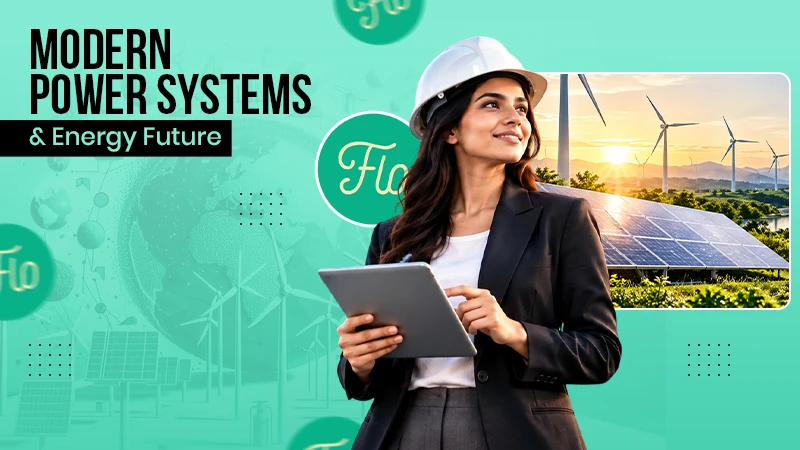
Modern power grids are rapidly shifting away from centralised fossil fuel generation toward decentralised clean energy models. Solar arrays, wind farms, and geothermal facilities now feed power directly into local distribution systems. Turning to sustainable generation guarantees that every modern electricity service functions with a significantly lower carbon footprint.
Managing intermittent clean energy sources needs advanced forecasting algorithms and flexible grid infrastructure. Utility providers manage energy routing dynamically whenever environmental conditions change throughout the day. This intelligent balancing act keeps decentralised networks operating reliably without causing frequent voltage drops or power supply disruptions for consumers.
Developing local microgrids enables communities to create, store, and manage their own power independently during emergencies. Decentralised systems protect important infrastructure from widespread blackouts caused by unexpected harsh weather events. Investing in distributed clean energy creates a resilient, long-term framework for sustainable urban development.
The Role of Smart Meters and Digital Utility Infrastructure
Modern power grids are rapidly shifting away from centralised fossil fuel generation toward decentralised clean energy models. Solar arrays, wind farms, and geothermal facilities now feed power directly into local distribution systems. Transitioning to sustainable generation guarantees that every modern energy grid operates with a lower carbon footprint.
- Lower Carbon Impact: Replaces traditional fossil fuels with local solar, wind, and geothermal power to cut urban carbon emissions.
- Smart Grid Balancing: Uses real-time forecasting tools to manage shifting weather and prevent sudden voltage dips or unexpected blackouts.
- Microgrid Independence: Allows local communities to store and run their own power backups during extreme weather emergencies.
- Future-Proof Resilience: Develop a flexible, decentralised infrastructure that keeps power flowing steadily as cities expand.
Adopting clean, distributed generation changes how local utilities deliver power, ensuring your everyday electricity service remains clean, efficient, and reliable over the long run. Investing in these smart networks creates a resilient framework for sustainable urban living.
Next-Generation Battery Storage and Grid Stability
Integrating high-capacity battery energy storage systems resolves the long-standing challenge of renewable energy intermittency. Industrial battery banks store extra solar and wind power produced during high generation windows for later use. Stored power is discharged easily into the network during high-demand hours, maintaining overall grid stability.
Battery storage systems avoid localised overload issues while reducing reliance on costly backup peaking power plants. Managing continuous energy reserves guarantees that every commercial electricity service provider can deliver continuous power, even during peak operational hours. Reliable energy storage forms the backbone for stable, carbon-neutral distribution networks.
As storage technologies advance, localised battery networks are becoming standard components across urban residential developments. Combining rooftop solar systems with home batteries lets properties store clean energy locally. Smart storage systems keep power flowing smoothly while minimising unwanted strain on main grid infrastructure.
ALSO CHECK OUT: How the SG Green Plan 2030 is Shaping a Greener Future
Empowering Consumers through Dynamic Market Flexibility
The modern energy evolution changes consumers from passive utility buyers into active market participants. Smart grid networks let property owners with rooftop solar setups to sell surplus clean energy back into the core grid. Flexible market models reward users for adopting sustainable power habits and contributing directly to grid stability.
| Empowerment Factor | Traditional Energy Buyers | Dynamic Market Participants |
| Grid Role | Draws power passively from central grids without control over source or generation | Sells surplus rooftop solar energy back into the main grid to support local stability |
| Pricing Models | Remains locked into rigid, flat-rate pricing structures irrespective of daily usage | Selects variable, peak-discount, or green-certified plans matched to real routines |
| Cost Control | Gets static monthly bills with minimal options to optimise peak consumption | Uses smart home automation to trim usage during high-cost windows and lower bills |
| Environmental Impact | Depends entirely on standard fossil-fuel-heavy generation baselines | Drives urban clean-energy adoption directly through active micro-generation habits |
Taking control of your home’s power consumption becomes much easier when you match smart automation with a modern electricity service plan that suits your lifestyle. Having market freedom encourages smarter energy routines while keeping recurring utility costs manageable over time.
Envisioning the Grid of Tomorrow
The future of energy depends on building flexible, digital, and sustainable distribution networks that adapt to modern lifestyle requirements. Embracing renewable generation, advanced grid monitoring, and next-generation storage ensures long-term power reliability for all modern properties. Picking a forward-thinking power partner gives you complete peace of mind, greater cost control, and access to cleaner energy options.
Contact Flo Energy to explore sustainable, high-performance power solutions tailored to your unique energy needs.
FAQs
What is the world’s fastest-growing energy source?
What is the strongest source of energy in the world?
Ans. The strongest source of energy in the world is Nuclear energy.
What runs up the electric bill the most?
Ans. Heating and cooling systems often run the electric bill the most.
Related Posts