Utilities are of two types: economic utilities and public/household utilities.

How to Handle Utilities, Property Maintenance, and Household Logistics During Relocation
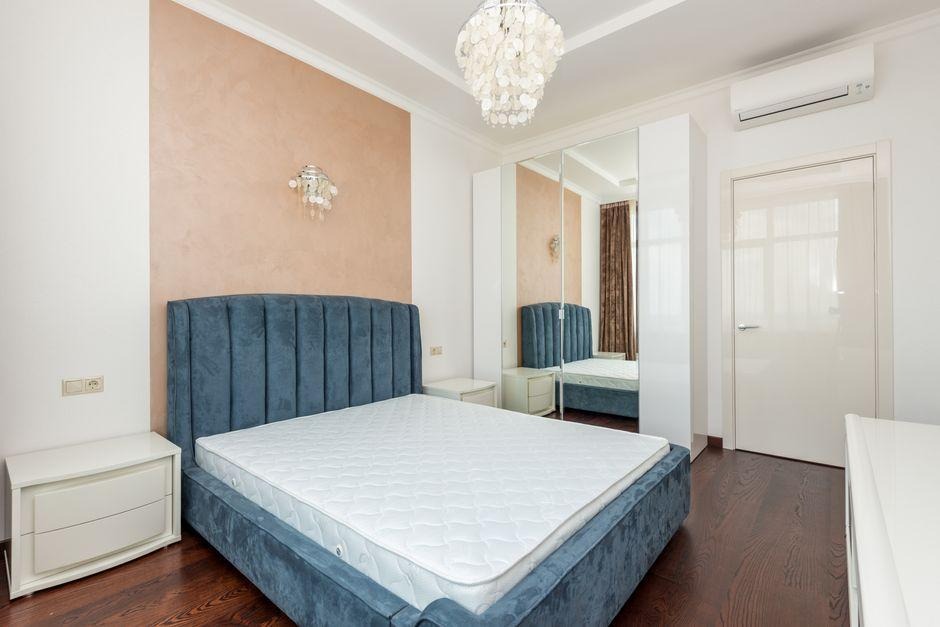
Relocating to a new city isn’t only about packing boxes and just saying goodbye to neighbours. It’s more about making everything smooth, which involves a series of small tasks that keep a household running, from switching off the electricity to making sure the new place has working water on the first night.
These details might slip through the cracks for the families leaving West Palm Beach for a new state when they ignore little things. If you have a clear plan for utilities, property care, and daily logistics, it will help you leave one home in good order and settle into the next without unpleasant surprises.
Table of Contents:
- Getting the Heavy Lifting Off Your Plate
- Create a Utility Transfer Timeline
- Schedule Shutoffs With Care
- Set Up Services Before You Arrive
- Update Your Address and Accounts
- Prepare Your Current Property for Handover
- Inspect the New Property Before Unpacking
- Keep the Household Running Day to Day
- Keep Important Documents Within Reach
- FAQs
Getting the Heavy Lifting Off Your Plate
Every relocation makes a crowded calendar, and the transport of your belongings sits at the center of almost every date on it. When movers arrive late or manage furniture carelessly, the rest of the schedule, from utility shutoffs to final walkthroughs, can immediately fall apart.
A reliable team that handles long-distance relocations from start to finish keeps that schedule steady. Get in touch with local West Palm Beach long-distance movers who can plan the transport around your own timeline. Understanding your belongings are in steady hands frees up time and energy for the household tasks that keep a relocation running smoothly.
Create a Utility Transfer Timeline
Utilities are easy to ignore until the lights go out or the internet stops working. Start by making a list of every service connected to your current home, such as electricity, water, sewer, gas, trash collection, internet, cable, and residential security. Note the provider, account number, and customer service contact for each one.
Once the list is finished, assign two dates to every service. The first is the date it should stop at your current address, and the second is the date it should begin at your new one. Many providers ask for advance notice, so reaching out multiple weeks ahead gives you room to adjust if something does not go as planned.
Schedule Shutoffs With Care
If you cancel electricity or water immediately, you may find yourself cleaning a dark house or unable to run the taps during the final walkthrough. A safe approach is to keep important services running through the day after you hand over the keys.
If you are renting, inspect your lease to see which utilities you are responsible for and when your responsibility ends. If you are selling, verify with the buyer or the closing agent when the accounts should change hands. Ask each provider for a last meter reading and a closing statement so you are not billed for usage that belongs to another occupant.
Set Up Services Before You Arrive
Coming to a new home with no power, no water, and no internet makes the first few days more stressful than they need to be. Contact providers in your current area as soon as you have a confirmed address and arrival date. Some services can be activated remotely, while others may need a technician visit that needs to be scheduled in advance.
Internet installation in specific areas can involve a wait, especially in busy seasons. If you work from home, preparing this early can save you from lost productivity during your first week.
Update Your Address and Accounts
A change of address influences more than your mail. Submit a mail forwarding request with the postal service, then work through a list of organizations that require your new address. This includes banks, credit card companies, insurance providers, employers, subscription services, and any doctors or schools your family uses.
Updating your vehicle registration and driver’s license is another task that usually comes with a deadline after you arrive in a new state.
Prepare Your Current Property for Handover
Leaving your new home in good condition protects your security deposit or keeps your sale on track. Walk through each room and make a note of small repairs, for example, loose cabinet handles, scuffed walls, or dripping faucets. Many of these fixes take only a few minutes but can make a noticeable difference during a showing.
Plan a deep clean for after your belongings are out of the house. Empty rooms are much easier to clean thoroughly, and you will be able to reach areas that were hidden inside furniture for years.
Inspect the New Property Before Unpacking
Before the first box comes through the door, take proper time to walk through your new home. Test the lights and faucets, and know your bathroom and major appliances. Inspect that heating and cooling systems are working and that smoke detectors have fresh batteries.
Take photos of any existing damage, especially if you are renting, so you have a record of the condition when you arrived.
Keep the Household Running Day to Day
The days surrounding a relocation can disrupt normal routines for everyone in the home. Plan simple meals that need little cooking, and set aside paper plates and basic utensils so you are not searching through boxes at dinnertime. If you have children, keep a few favorite toys and comfort items simply accessible.
Pets also need special attention during this period. Keep them in a silent room or with a sitter on the busiest days, and make sure their identification tags show your new contact information. Pack a separate bag with their food, bowls, leash, and any medications.
Keep Important Documents Within Reach
Certain papers should travel with you instead of in a truck. Collect birth certificates, passports, property records, medical files, financial documents, and any contracts related to your relocation in a folder or secure box. Include a list of emergency contacts and copies of your utility confirmation numbers.
Keeping these documents close means you can manage any unexpected request without delay, whether it comes from a landlord, a utility company, or a new employer. A little organization here avoids a great deal of stress once you reach your destination.
FAQs
What are the types of utilities?
What are the two characteristics of utility?
The two main characteristics of utilities are subjective and relative.
What are the three examples of form utilities?
The three examples of form utilities are automobile manufacturing, baking and food preparation, and carpentry and furniture making.
Related Posts