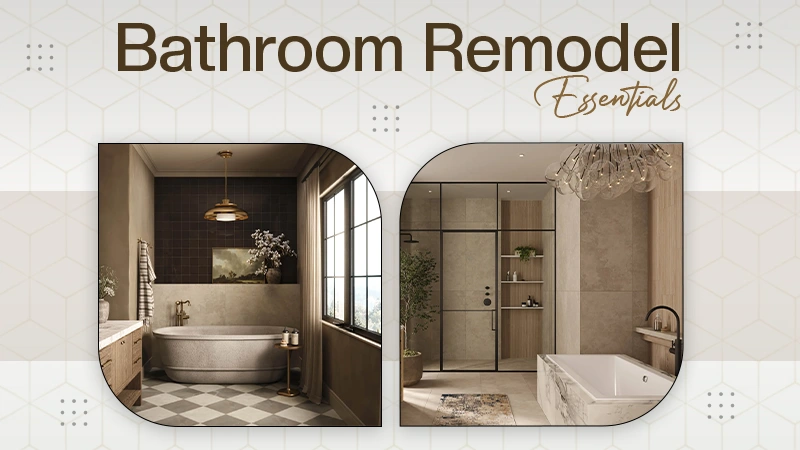
Depends on the bathroom’s size, location, materials, labor rates, and scope of work. People spend $13,000 on standard bathroom renovations, and $22,000 for major remodels.

What to Know Before You Start a Bathroom Remodel
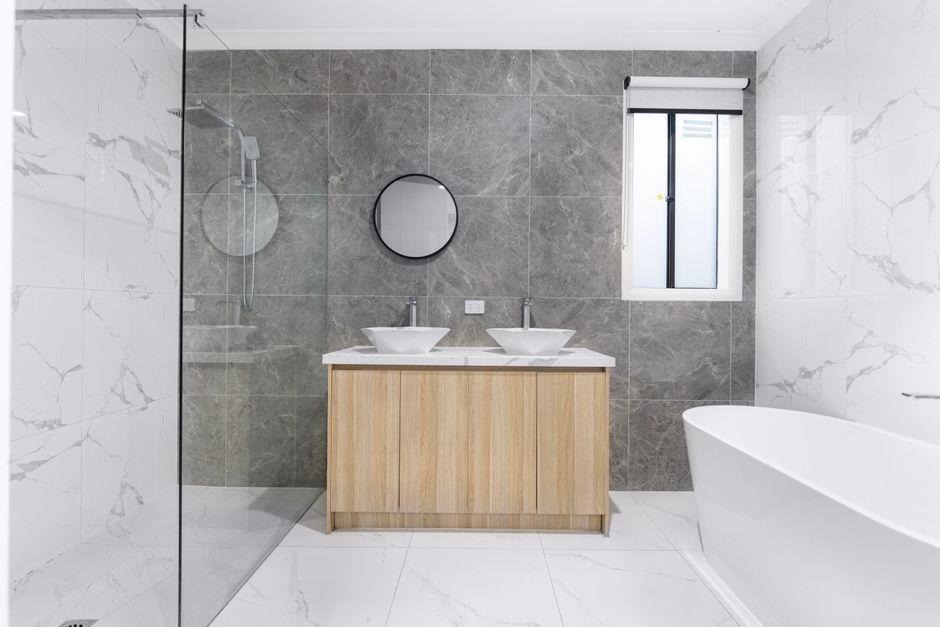
A bathroom remodel can seem simple. Swap the vanity, update the tile, install better lighting, and you have a fresh new space, right? In reality, bathrooms are compact systems where plumbing, waterproofing, ventilation, electrical work, storage, and layout all have to work together. One poor decision behind the walls can undo an otherwise beautiful renovation.
The scale of the investment makes planning even more important. According to the 2025 U.S. Houzz Bathroom Trends Study, the median spend on bathroom renovations was $13,000, while major remodels reached a median of $22,000. The same study found that 84% of homeowners hire professionals for bathroom renovations.
Clearly understand how you use the room, what you can afford, and which changes will actually make your bathroom better.
Table of Contents:
- Start With How You Actually Use the Space
- Set a Budget That Can Handle Reality
- Know When Layout Changes Are Worth It
- Choose Materials That Can Survive Real Life
- Lighting and Ventilation Deserve More Respect
- Storage Should Be Built Into the Plan
- Hiring the Right Pros Changes Everything
- Plan for the Disruption Before Demo Starts
- Conclusion
- FAQs
Start With How You Actually Use the Space
Before you choose tile or scroll through inspiration photos for two hours straight, look at how your bathroom functions right now. Pay attention to the daily bottlenecks. Maybe two people can’t get ready at once. Maybe your vanity has almost no storage, so your countertop looks like a skincare burst.
Write down what frustrates you most. Then separate your list into must-haves and nice-to-haves. Heated floors may sound great, but better ventilation might solve a more crucial problem. A walk-in shower could matter more than a freestanding tub that mostly collects dust.
A remodel works best when it fixes real habits, not just appearances. If your space serves children, guests, or aging family members, plan for that too. Good design is practical first, pretty second.
If you’re out of ideas, look at the top 15+ bathroom remodelling ideas for 2026.
Set a Budget That Can Handle Reality
Bathroom renovations are notorious for surprise costs. Behind the walls, you might find outdated plumbing, water damage, mold, or electrical work that needs updating. None of that shows up in the glamorous before-and-after posts.
Grant yourself a clear spending cap, then build in a contingency fund of about 10 to 20 percent. That extra cushion can keep your project moving when hidden issues appear. Without it, even a minor problem can force awkward compromises later.
Split your budget into categories:
- Demolition and labor
- Plumbing and electrical
- Tile and flooring
- Vanity and storage
- Fixtures and hardware
- Lighting and mirrors
- Permits and inspection costs
If you’re working with a professional bathroom remodeling company, ask for detailed estimates that show what’s included and what may trigger added costs. Clear numbers trump vague promises every time.
Know When Layout Changes Are Worth It
Moving a sink sounds manageable until plumbing lines, venting, and drainage enter the discussion. Layout changes can improve function dramatically, but they also add labor, time, and cost.
Keep the existing footprint if your current arrangement already works reasonably well. Changing finishes and fixtures within the same layout is usually more efficient and less disruptive. On the other hand, if your bathroom feels cramped, awkward, or impossible to share, reworking the plan may be worth the expense.
A few modifications often deliver strong results:
- Replacing a bulky tub with a shower
- Extending the vanity for more storage
- Repositioning a toilet for better spacing
- Adding a niche or linen cabinet
The best upgrades solve circulation issues. You should be able to open doors, access storage, and move around without doing a daily obstacle course.
Choose Materials That Can Survive Real Life
Bathrooms handle:
- Steam
- Splashes
- Cleaning chemicals
- Hair tools
- Heavy daily traffic
Pretty materials that can’t handle moisture are a fast path to regret.
Porcelain tile remains a favorite for floors and walls because it’s durable, water-resistant, and available in stone or wood designs. Quartz works well for vanities because it resists stains and doesn’t need sealing. Solid wood can look great, but in a humid room, it needs proper finishing and ventilation support.
When picking fixtures, focus on quality where it counts. Faucets, shower valves, and drawer hardware get constant use. Cheap components often wear out early or create maintenance issues. Saving money on accessories is one thing. Saving money on the parts planted in the wall is a different gamble.
Think long term. Your future self won’t be impressed by trendy materials that chip, warp, or demand nonstop upkeep.
FUN FACT
Porcelain tiles are dense and have water absorption of 0.5% or less.
Lighting and Ventilation Deserve More Respect
A bathroom with shoddy lighting can make a fresh remodel feel underwhelming. One ceiling fixture in the middle of the room usually isn’t enough, especially around the mirror where you shave, style hair, or attempt eyeliner with heroic optimism.
Instead, layer your lighting:
- Overhead lighting for general visibility
- Vanity lighting at eye level for grooming
- Accent lighting for warmth or nighttime use
Color temperature matters too. Harsh blue-white light can feel clinical, while overly warm light may distort skin tones. A balanced white light usually works best.
Ventilation counts just as much. A quality exhaust fan helps control humidity, reduces mold risk, and protects paint, cabinetry, and trim. If your fan sounds like a jet engine but removes almost no steam, replace it. Quiet, effective ventilation is one of the least alluring upgrades and one of the most useful.
Storage Should Be Built Into the Plan
Storage usually gets treated like an afterthought, then people wonder why the new bathroom still feels cluttered. A sleek design loses some of its charm once every surface is covered in products, towels, and random items with no real home.
Plan storage around what you really keep in the room. Daily essentials should be easy to reach. Backups and cleaning supplies can go in lower drawers or a nearby cabinet. Deep drawers often work better than traditional lower vanity doors because they make items easier to catch and access.
Useful storage options include:
- Vanities with drawer organizers
- Recessed medicine cabinets
- Shower niches for soap and shampoo
- Tall cabinets for towels and extras
- Open shelving used sparingly
Open shelves look great in styled photos, but they collect dust and visual clutter quickly. Closed storage usually wins in real-world conditions. Not flashy, just effective.
Hiring the Right Pros Changes Everything
A solid contractor does more than handle labor. They help spot design conflicts early, sequence the work properly, coordinate trades, and keep quality from slipping when the project gets complicated. In a bathroom, details matter because every inch is doing a job.
When comparing specialists, ask practical questions. How do they handle permits? Who does the plumbing and electrical work? What happens if materials arrive late? Can they share a project timeline and a written scope? A polished sales pitch means very little without a process behind it.
Look for signs of professionalism:
- Clear contracts
- Realistic timelines
- Itemized pricing
- Strong communication
- Photos of completed work
- Knowledge of moisture and waterproofing systems
The cheapest bid can become the most expensive lesson. You’re not just buying labor. You’re buying planning, coordination, and accountability.
Plan for the Disruption Before Demo Starts
Even a little bathroom remodel can interrupt daily life more than people expect. Noise, dust, delivery delays, and schedule changes are common. If it’s your only full bathroom, the inconvenience level rises quickly.
Put up a temporary routine before work begins. Decide where you’ll store essentials, how you’ll handle showers if needed, and which parts of the house should stay protected from debris. Order materials early whenever possible, especially tile, custom vanities, and specialty fixtures.
Uphold steady communication throughout the project. Regular check-ins help catch mistakes before they become expensive fixes. If something feels off, ask about it early. Waiting until installation is complete rarely improves the outcome.
Conclusion
A bathroom renovation takes planning, patience, and smart decision-making. Done well, it gives you a space that looks better, works better, and holds up to everyday life without drama. That’s a much better payoff than a room that only looks good for the reveal photo.
FAQs
How much does a bathroom remodel cost?
Should I keep my existing bathroom layout?
If the existing layout works well, keeping the major plumbing locations can reduce cost and disruption.
What should I prioritize in a bathroom remodel?
Prioritize the elements that affect performance and everyday use: waterproofing, plumbing, ventilation, lighting, storage, and layout.
Related Posts