Some of the security risks on a construction site are property damage due to weather conditions, theft or vandalism by trespassers/unauthorized entities, and use of open sites for illegal activities done at night, which makes the site unsafe for the general public too.

How to Secure a Construction Site? Role of Technology and Equipment Safety Measures for Site Safety
Working construction sites face security issues like material theft, unauthorized access, and vandalism. According to the latest federal BLS Census of Fatal Occupational Injuries (CFOI), the construction industry consistently accounts for approximately 20% of all U.S. workplace fatalities. Site safety has always been a critical topic, but it is hardly taken into consideration.
Construction site protection requires strict security with cameras and security personnel, defined physical boundaries, and appropriate asset management. In this detailed article, you will get to know how to secure a construction site, the role of technology in site security, and how to choose the right security company for effective site security.
Table of Contents:
- What Risks Do Construction Sites Face?
- How to Secure a Construction Site?
- Role of Security Staff in Construction Site Safety
- Equipment Security Measures for Job Sites
- Role of Technology in Securing Construction Sites
- How to Choose the Right Company for Your Construction Site Security?
- Conclusion
- Frequently Asked Questions
What Risks Do Construction Sites Face?
A construction site is a designated area where building and construction work is carried out under the supervision of contractors and engineers. Due to the large amount of raw materials, assets, technical equipment, and heavy machinery scattered around in the vast area, it also becomes a high-risk area.
Some of the threats faced by construction sites are given below.
1. Theft of Materials
According to the National Insurance Crime Bureau, construction site theft in the United States costs the industry between $300 million and $1 billion annually. Construction sites contain essential tools, vehicles, equipment, machines, and materials. After working hours, when every worker leaves the construction site, thieves get a chance to take valuable items from the site.
2. Forced or Hidden Intrusions
Open construction sites are used by unauthorized people to carry out illegal activities. Some individuals habitually intrude into these kinds of deserted sites at night. Their unauthorized and unlawful practices or unintentional use of hazardous materials can harm them as well as the site.
3. Improper Security Surveillance
During the day, the construction work sites are generally protected due to the large number of people working there, but during off-duty hours, the sites lack proper monitoring of the sites. Faulty CCTV cameras or a guarding system leads to major safety threats on the site.
4. Wrong Construction Methods
A construction work site can also suffer from security threats when the site work is done using below-grade material, or there is a lack of proper design of the building’s architecture. Using unlawful methods of construction often leads to property damage, which incurs heavy losses to the site owner.
How to Secure a Construction Site?
Construction site protection is the responsibility of the project owner. Beyond appointing security guards outside the site, they should focus on the overall security of the site by using optimal measures.
Below are some of the ways to protect a construction site.
1. Proper Fencing of the Site
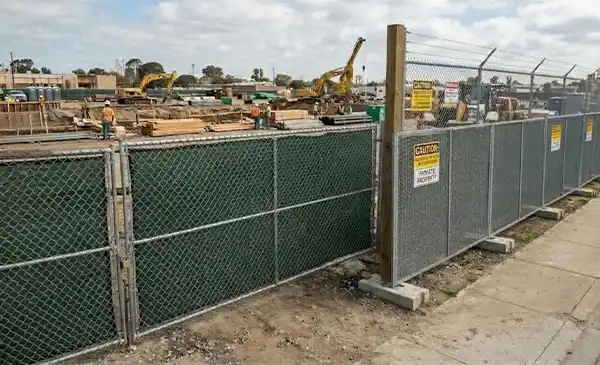
Installing a proper fence system outside the property protects the site from unauthorized access by thieves as well as from animals like stray dogs, cats, etc. The three types of fences that are mainly used to protect the construction site’s perimeter area are:
- Chain-link Fencing: A mesh-like structure made by intersecting steel wires with each other; it is strong and durable for long-term use.
- Welded Wires: A rectangular grid structure created by welded steel wires is rigid and can be used as barriers.
- Hoarding Fences: Solid opaque panels or barriers made of plywood/timber/metal that even prevent outsiders from viewing the area.
2. Warning Sign Boards
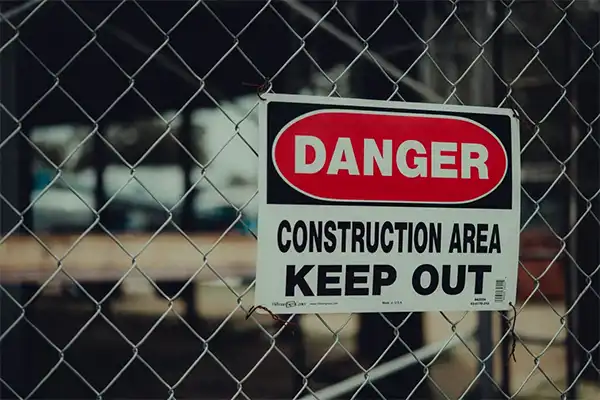
Put the warning sign boards like “No Trespassing,” “Unauthorized Entry Prohibited,” “Construction Site: Do Not Enter,” and “Construction Area: KEEP OUT.” These warning signs alert intruders not to break the barriers and get inside the site. They also ensure that the general public does not accidentally get inside the site and does not suffer from any kind of injury or consequences.
3. 24/7 Surveillance
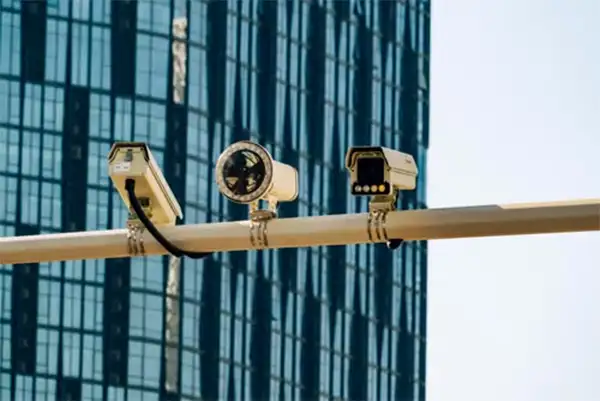
Not only can posting a security guard solve the problem, but there should be installation of active CCTV cameras in and around the site, and video monitoring should be done from time to time. Security alarms also help to prevent any kind of hazardous incidents, like fire hazards from escalating.
4. Invest in Proper Lighting
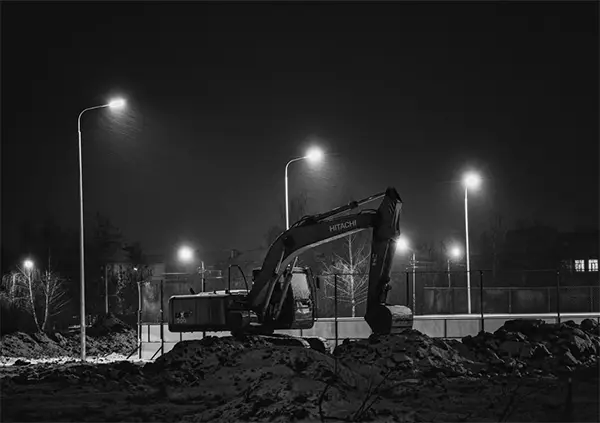
Darkness tends to attract most of the criminal/illegal activities. LED floodlights should be used across the fences so that they are visible to everyone from a distance. Task lights or light towers can be used in large areas of the project to prevent the area from being used for any illegal businesses at night. According to OSHA guidelines, general construction areas require 5 foot-candles; workstations, fire stations, and office spaces need 30 foot-candles, and warehouses need 10 foot-candles to illuminate the site area and safeguard them at night.
5. Equipment Security
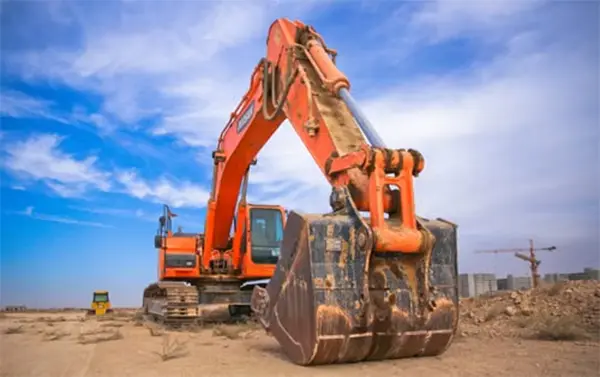
Heavy machines working on electricity should be shut down properly before leaving the site to avoid equipment hazards. If possible, divide materials/equipment into small groups and physically lock them together so thieves cannot take/cut their parts. Physical switches with loose connections should not be left open for use. They should be hidden behind a strong barrier so they are not easily accessible.
6. Insurance Coverage

Insurance coverage is the protective shield for any construction site. It covers financial losses, property damage, natural disasters, theft, and hazardous mishaps. A reliable and trusted insurance policy is useful not only for the safety of the site but also for the contractors, workers, and builders in the following ways:
- Builder’s Risk Insurance: This insurance covers physical property or materials damage or theft. But it does not provide physical security services like security guards and security equipment.
- Commercial General Liability Insurance: It pays the employer for legal lawsuits if there is any injury to a non-employee or accidental damage to a third party (neighboring buildings). But it does not include the loss of stolen equipment/materials from your site.
- Workers’ Compensation Insurance: It pays for the medical bills if any worker or employee gets physical injuries while working on the construction site. No workplace injuries are taken into onsideration in this type of insurance.
- Inland Marine/Equipment Insurance: It pays for damage to physical tools like hand tools, mobile equipment, bulldozers, generators, etc.
Also Read: Towing Company Insurance: What It Covers and Why It Matters!
7. Clear Communication Between the Whole Team
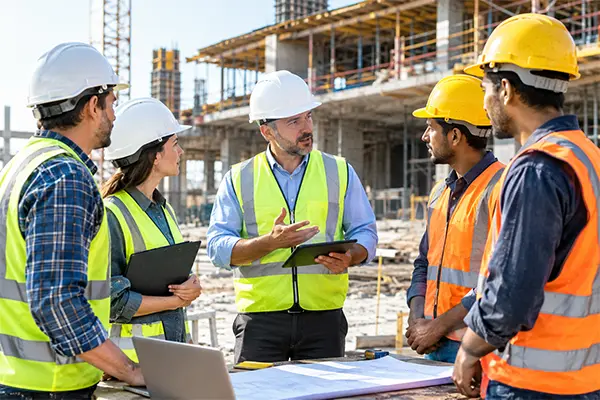
This is the least talked-about measure but is the most effective one. Communication gaps between the owners, contractors, and the workers often increase the chances of threats to the site. The owner should build a clear communication channel to avoid any kind of confusion in the work process.
Some ways to improve communication between the construction team are:
- Keep it Detailed Yet Simple: Firstly, ensure that every worker/employee/contractor understands the concept well so that they do not take any wrong steps, which can be proven to be a risk for the site.
- Hierarchical Communication: Assign the roles and responsibilities of contractors and workers hierarchically (a worker can clear his doubts with the contractor instead of directly contacting the owner to maintain the workflow).
- Hold Meetings: To keep a check on the work progress, frequently arrange meetings with the team to know the required adjustments/changes to be done in the work execution.
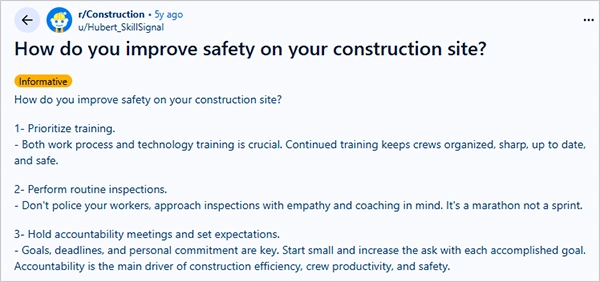
Let’s look at one of Reddit’s reviews about the solution of safety issues on the construction site.
Role of Security Staff in Construction Site Safety
Security staff on a construction site can be a single person or a fully specialized team of professionals who together take care of the property. Security staff may include security guards, site supervisors, managers/in-charge of security, and sometimes even a trained dog unit to manage the overall security of the site.
Below are the roles of the security guards in keeping the construction site protected.
1. Role of Security Guards in Keeping the Construction Site Protected
Security guards are the individuals hired by the site owners who monitor the site and control safety, theft, trespassing, vandalism, or any illegal activity in/around the work site. They act as the private security for the construction site. Their roles include:
- Inspection at In/Out Points: Guards check people’s IDs, appointment proofs, reasons for coming, and badges at the entry and exit points of the site.
- Patrolling the Site’s Nearby Area: They patrol around the work site also to keep a check on any suspicious/unexpected threats.
- Submitting a Report to Site Owners: If any risky incident happens, they clearly report it to the higher authorities with a full explanation and on time.
- Handling Emergencies: In any hazardous situations like fire incidents, they take control of access and help extinguish the fire, try to evacuate the building, and cooperate with the fire brigade team to handle the situation.
2. Surveillance Specialists
Construction site surveillance specialists are the professionally trained individuals who manage, install, and operate the security monitoring systems to maintain security on the construction sites. They use advanced technologies to protect the valuable assets and physical structures for the construction projects. Construction site security measures by surveillance specialists are given below.
- Camera and Video Monitoring: Install the CCTV security network in appropriate locations, check the system’s functionality, and provide live video monitoring for any security breaches.
- Safety Compliance: Check the operational functionality of checkin/out systems. Digital badge systems, biometric matches. Keep track of the information of every individual entering or exiting the site. Track equipment with their GPS tracker, serial numbers, and batches.
- Handling Emergencies: Audio warnings on speakers, tracking camera footage, cooperating with the police in disaster management, and reporting incidents to the site owners in emergencies.
3. Trained Dog Unit
Professionally trained dogs are widely used in armies, construction sites, and even homes, which is an additional advantage for securing property. Dogs go through rigorous training, which includes taking commands, using hearing/smell detection skills accurately, and knowing the property boundary to respond with definite actions. The role of trained dogs in construction site security coverage is given below.
- Acute Senses Detect Threats: Their god-gifted and powerful hearing/smelling senses detect unexpected threats/risks before any individual, leading to taking precautionary measures before any mishap happens.
- Deter Criminals/Unauthorized Entities: Dogs threaten criminals/wild animals/trespassers with their loud barks, which prevent them from getting inside the site in an unauthorized manner.
- Faithfulness Helps to Build Trust in Them: Unlike human beings, dogs are considered more faithful; trained dogs know their aims and targets well and don’t get influenced by anyone, adding an extra shield of security for the site’s safety.
Also Read: What Is ICF Construction? Benefits, Cost & How It Works!
Equipment Security Measures for Job Sites
Construction work sites contain a lot of valuable assets, materials, and heavy machinery like bulldozers, excavators, wheel loaders, etc. Physical theft on the site affects security, but equipment failure also poses a threat to the people working there. Some of the equipment security measures for job sites include cameras and physical barriers, GPS tracking, restricting access to movable parts, equipment functionality checks, planning quantities and deliveries, alarm setting, etc.
Below is a detailed explanation of the equipment security measures for job sites.
1. Cameras and Physical Barriers
Cameras monitor the sites for surveillance. Install the cameras on the equipment if possible to enhance protection. While cameras can only keep a check on the equipment safety, physical barriers like panel fencing and bollards (metal posts), guardrails (separate the walking area from the storage area), etc., ensure the physical safety of the equipment.
2. Use GPS Trackers
For virtual safety, use GPS tracking and geofencing technology, which creates a digital perimeter boundary around the equipment and tracks GPS trackers to provide location data and alerts the site owners if the equipment crosses the boundary after the set hours. Owners or managers get notifications about the dislocation of the equipment via messages or mail to immediately take the appropriate action.
3. Restricting Access to Movable Parts
Movable parts and components are more prone to theft or damage due to their easy access. Lock small materials like hand tools, hammers, rotary cutters, trenchers, batteries, fuses, etc., in metal storage containers. Remove the detachable components of the machines, if possible, to make them unable to operate by any unauthorized person after working hours. Lock the machines in a compact circle to make them immovable individually.
4. Ensure Equipment Functionality
Faulty equipment poses a threat of human and property damage. You need to check the equipment’s functionality in the pre-construction, during construction, and post-construction phases to avoid any kind of possible mishap.
Some of the precautionary measures to handle equipment are:
- Check the Equipment Condition: Ensure there are no cracks in tires, leaks in pipes, faults in the circuit system, or gas leakage in extinguishers, etc.
- Knowledge of Operating Equipment: Use the machines according to the manufacturer’s guide, and know the safety measures while handling them.
5. Planning Quantities and Deliveries
Equipment preordered in bulk and not used for a long time is at risk of being stolen or vandalized. Do not order the equipment in bulk if not needed. Plan the deliveries accordingly, and order machines and tools through verified and trusted sources to avoid budget inconsistencies. Upon arrival of the equipment, do proper testing before actually operating it on the site for construction work.
Role of Technology in Securing Construction Sites
Advanced automation technology also plays an important role in construction site security coverage. Manual efforts often fail to provide full vigilance at construction work sites. Technology-aided construction site security measures include the use of high-tech CCTV cameras for video monitoring, IoT sensors to track environmental conditions, wearable technology for worker security, and roof drone inspection for enhanced security.
Below is a detailed explanation of how to enhance security on construction sites using technology.
1. IoT Sensors
IoT sensors are internet-connected devices that detect physical changes in environmental conditions and provide real-time data for making informed decisions. Technology-aided sensors are used in construction companies to take the appropriate safety measures to avoid any threatening hazards.
2. Wearable Technology
Wearable technologies are digital devices that can be worn on the body and help to track locations, reduce physical strain, prevent falls, and measure body fatigue levels. These technologies are used on construction sites to help to specially monitor workers’ performance and condition on-site during the working hours. Common types of wearable technologies include:
- Smart Helmets: These possess small cameras and sensors to measure performance and prevent falls, respectively.
- Smart Vests: These are highly visible garments designed to monitor sudden falls and keep a check on workers’ health status.
- Exoskeletons: These are specialized suits that help to reduce the strain during heavy lifting.
- Biometric Bands: These are kinds of smartwatches that monitor the worker’s heart rate and other physiological conditions.
3. Advanced Remote Monitoring and Control Systems
Remote monitoring and control systems are technology-aided devices or software that track, observe, and monitor the site location, equipment well-being, and workers’ mobility on the construction work site. Some of the remote monitoring and control systems used on job sites are:
- Mobile Surveillance Units: These are adjustable towers equipped with solar panels that provide video monitoring of the site.
- AI Camera Monitoring: Cameras integrated with AI provide clear footage of the site, also differentiating between the real workers and suspicious trespassers.
- Virtual Guard Services with Two-Way Audio Systems: Monitoring the site from a far-off location through camera feeds and giving warning signs on the speakers (present on site)
4. Apps and Tools for Enhanced Monitoring and Collaboration
Today, various software and tools are used for construction site protection. These apps include features like real-time authentication to verify workers’ personal information, punch-in/out systems, customized reports, customizable dashboards for progress monitoring, inventory management for equipment tracking, etc.
How to Choose the Right Company for Your Construction Site Security?
Choosing the right company for construction site protection ensures the security of valuable assets, worker safety, site monitoring, and even enhances project efficiency. Some of the ways to choose the right company for your construction site security coverage are:
1. Experience
An experienced construction company that provides security services knows well about the physical damages, on-site risks, working conditions, and safety issues. To secure your work site, you should check the company’s experience in the number of years and their successful projects done in the past.
2. Services Provided
You should carefully check all the services provided by the company, such as whether they provide 24/7 live monitoring, safety alarms and remote sensing technology, physically allocated security guards, and insurance coverage. Finalize the deal with the company that can customize its offers according to your needs.
3. Real-Time Availability
A good company not only takes payments and provides minimal services, but it is also always readily available for any emergency to tackle on-site problems. Overall, the company should be available for any kind of help, or it should address its availability specifically.
4. Company Reputation
You should check the company’s official website and its reviews on several community and discussion forums. References and positive word of mouth play a key role in the reputation of any company. If you find the company reliable, then you can finalize the deal with the company.
5. Essential Certifications
The company must have the required and officially issued certificates, mainly all the ISO-certified certificates and local security licensing. The company should take care of all regulatory compliance, like OSHA compliance and ADA compliance, while managing the construction site security. Essential certifications include Construction Site Security Certification (CSSC), OSHA-10/30 Hour Construction Safety Certification, and First Aid/CPR Certification.
Conclusion
Summarising! In the detailed article, we studied the measures for how to protect a construction site and the role of technology and security staff in construction site security coverage. Construction site security measures include proper fencing, equipment access control, warning signs, insurance coverage of the site, live monitoring using cameras, and security staff.
If you want to choose a construction company for the security of the site, then firstly check the company’s reputation, its services, and its years of experience, and check how it handles emergencies.
Also Read: Construction Safety Checklist: A Brief Walking Through OSHA-Supported Safety Guidelines!
Frequently Asked Questions
What are the security risks on a construction site?
How to protect a construction site?
To protect a construction site from theft or vandalism, you must install proper fencing around the site, put up warning/alert signs, ensure safe handling of equipment, and take insurance coverage for property damage.
What is the role of security guards in private security for construction sites?
Security guards do the physical monitoring of the site, check the IDs of the site visitors, do night patrolling in the nearby areas of the site, and do accurate reporting of incidents to the site manager and cooperate with the police to handle emergencies.
How to establish equipment security on construction sites?
You should keep your small tools and materials in locked storage boxes and remove the big equipment’s detachable parts so that they cannot be removed by thieves; together, compactly place them so they cannot be moved individually by unauthorized entities.
What are IoT sensors?
IoT sensors are internet-connected digital devices that track environmental conditions and provide real-time analysis to make informed decisions by the site owners.
Source:
Census of Fatal Occupational Injuries Summary, 2024: BLS Census of Fatal Occupational Injuries (CFOI)
Construction sites are targets: strategies to avoid theft and vandalism- Christensen Group Insurance
OSHA Guide: Essential Construction Site Lighting Compliance: waromgroup
Related Posts