Roofing, drainage, and structural or moisture-related repairs should obviously take priority over cosmetic improvements.

The Home Exterior Upgrades That Can Make a Property Feel More Complete
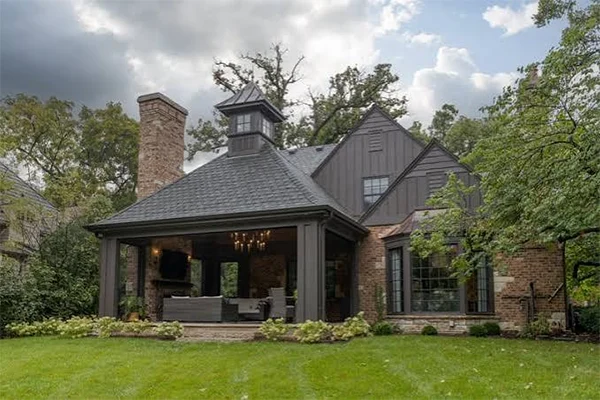
A home can have beautifully furnished rooms and an exclusive design, yet still feel unfinished when viewed from the street. Misbalanced rooflines, worn gutters, faded exterior details, or poorly maintained walkways can impact how the entire property looks and functions. Exterior improvements are not always about requiring a major renovation or spending a huge amount of money.
Many times, a few thoughtful upgrades can make a place cohesive and welcoming, improve everyday functionality, and help protect it from the elements. Knowing which areas deserve the most attention can make it easier for homeowners to create an exterior that looks cohesive, feels welcoming, and remains practical for years.
Table of Contents:
- 1. Start With the Roof to Establish a Cohesive Exterior
- 2. Coordinate Roofing and Drainage With the Right Professionals
- 3. Improve the Entryway and Exterior Lighting
- 4. Refresh Exterior Walls, Trim, and Architectural Details
- 5. Make Landscaping and Walkways Complement the House
- 6. Prioritize Improvements That Protect the Property
- Conclusion
- FAQs
1. Start With the Roof to Establish a Cohesive Exterior
The roof is one of the most prominent features of a home’s exterior. Its shape, color, material, and condition can influence how the rest of the property looks. A worn or damaged roof may stand out even when other exterior features are in good condition.
Homeowners should consider the following when assessing their roofing system while knowing how to deal with construction site noise:
- Replace aging roofing materials: Damaged, missing, or deteriorating shingles and tiles can affect both appearance and weather protection.
- Address visible repairs: Loose flashing, damaged roof edges, and exposed components may make the roof look neglected while creating potential maintenance concerns.
- Consider material and color coordination: Roofing materials should complement the home’s architectural style, exterior walls, trim, and other visible features.
A roofing upgrade can enhance the home’s overall aesthetics while addressing functional concerns. A replacement is not necessary; a professional inspection can help determine whether repairs, maintenance, or a complete roof replacement are appropriate.
2. Coordinate Roofing and Drainage With the Right Professionals
A complete exterior is not just about appearance. Roofing and drainage systems work together to direct rainwater away from vulnerable parts of the property, including walls, roof edges, and foundations.
Homeowners planning roofing enhancements can consider the roofing company in San Jose to understand which repairs, replacements, or related upgrades may be appropriate for their property. Professional assessments can help identify problems that can otherwise go unnoticed during a visual inspection from the ground.
Gutters and downspouts also deserve attention when planning exterior improvements. Consider these details:
- Replace damaged gutters: Sagging, leaking, or disconnected sections can interfere with drainage and make roof edges look untidy.
- Check downspout placement: Water should be directed away from the building rather than allowed to collect near its foundation.
- Keep drainage systems clear: Leaves, dirt, and other debris can obstruct water flow, particularly during rainy seasons.
When roofing and drainage improvements are planned together, they can create a more consistent appearance while supporting the property’s long-term maintenance needs.
3. Improve the Entryway and Exterior Lighting
The entrance is often the first part of a property visitors notice. Even modest improvements around the front door can make a home feel more welcoming and visually balanced.
Homeowners can consider:
- Repainting or refinishing the front door to complement the exterior color palette.
- Replacing worn door hardware with finishes that match other visible fixtures.
- Adding suitable outdoor lighting around the entrance, pathways, or porch.
- Keeping entry steps, railings, and porch surfaces clean and in good condition.
Exterior lighting can also enhance the visuals around entrances and walking paths after dark. Go for fixtures suited to outdoor conditions and consider their placement carefully to avoid excessive glare.
4. Refresh Exterior Walls, Trim, and Architectural Details
Exterior walls and trim provide the visual backdrop for the roof, windows, doors, and landscaping. Faded paint, peeling finishes, or damaged trim can make a property appear less maintained, even when its major structural components are sound.
A refreshing coat of exterior paint, repaired trim, or updated decorative details can help create a consistent appearance. Homeowners should consider the roof, permanent exterior materials, and surrounding environment instead of selecting shades in isolation while choosing colors.
Before painting or covering damaged areas, investigate the underlying cause. Moisture, wood deterioration, and other problems should be addressed before cosmetic work begins. This helps prevent improvements from concealing issues that may require more extensive repairs.
5. Make Landscaping and Walkways Complement the House
Landscaping can help connect the home’s exterior features and create a more balanced overall appearance with low-cost shed ideas for small backyards. It does not necessarily require elaborate gardens or extensive planting.
Landscaping connects the home’s exterior features and creates a more sophisticated appearance. It does not need elaborate gardens or extensive planting.
Practical improvements include:
- Trimming shrubs and trees that obstruct entrances, windows, or pathways.
- Adding low-maintenance plants that suit the local climate.
- Repairing uneven or cracked walkways where necessary.
- Keeping garden edges, driveways, and outdoor spaces tidy.
- Choosing landscaping that does not interfere with gutters, drainage, or roof access.
Trees and shrubs should also be maintained so that branches do not rub against roofing materials or contribute to debris accumulation in gutters.
6. Prioritize Improvements That Protect the Property
A visually appealing exterior should also support the home’s durability and everyday performance. Visual upgrades are good, but homeowners should prioritize repairs that address water intrusion, damaged materials, drainage issues, and several maintenance concerns.
The U.S. Department of Energy’s guidance on home energy improvements highlights the importance of building-envelope improvements, including roof and insulation upgrades, air sealing, and improvements to doors and windows, in supporting energy performance.
Before beginning a project, consider:
- Which exterior components need repair or replacement?
- Will the upgrade help prevent future maintenance issues?
- Does the improvement complement the existing architecture?
- Are permits, inspections, or professional installation required?
Planning improvements around both appearance and performance can help homeowners avoid unnecessary spending and make more informed decisions.
Conclusion
A property’s exterior feels complete when its visible features work together rather than compete for attention. Roofing, drainage, entryways, lighting, exterior finishes, and landscaping all contribute to the overall impression.
Prioritizing necessary repairs, selecting complementary materials, and planning enhancements thoughtfully can help homeowners make a more welcoming, functional, and well-maintained property without committing to an unnecessarily extensive renovation.
FAQs
Which exterior upgrade should homeowners prioritize first?
Do exterior improvements need to be completed all at once?
No, homeowners can complete enhancements in stages, prioritizing repairs and planning cosmetic improvements around their budget.
How can homeowners make exterior upgrades look consistent?
Deciding complementary colors, materials, lighting, and landscaping styles can help create a cohesive exterior.
Do exterior renovations always require permits?
Permit requirements rely on the type of work, local regulations, and the property’s location, so homeowners should check with their local building department before beginning.
Related Posts