Planters introduce greenery, define place, guide movement, and make shared areas more welcoming. They can also support outdoor learning and create a stronger visual connection between buildings and landscaped areas.

How Educational Institutions Use Planters to Improve Campus Design
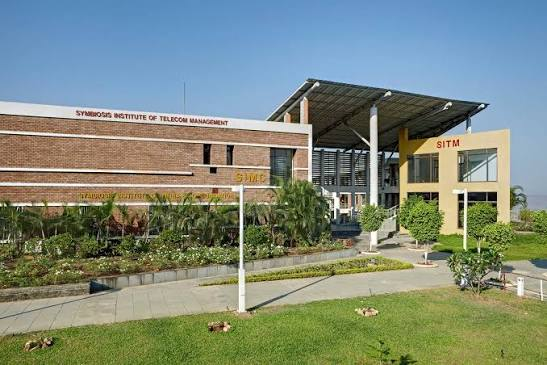
A campus is more than a collection of classrooms and buildings. It is a shared environment where students learn, interact, take breaks, and spend much of their day. The way these places are designed can influence how welcoming, comfortable, and functional they feel after considering the 2026 interior design trends.
Planters offer a simple way to bring greenery into educational spaces while serving practical design purposes. They can define open areas, guide movement, create outdoor learning places, and add character to otherwise plain surroundings.
For schools, colleges and universities, choosing the right planters means considering more than aesthetics. Their size, material, placement, and maintenance requirements all matter in a setting that sees regular activity throughout the day.
Here are some ways planters can contribute to a more considered campus environment before post-construction cleanings.
Table of Contents:
- 1. Creating Flexible Spaces with Living Partitions
- 2. Guiding Movement and Defining Campus Boundaries
- 3. Bringing Learning Outdoors
- 4. Integrating Greenery with Rainwater Management
- 5. Making Campus Spaces More Welcoming with Greenery
- 6. Reflecting Institutional Identity Through Planter Design
- Why FRP Planters Work Well for Educational Campuses
- Choosing the Right Planters for Your Campus
- FAQs
- On A Concluding Note…
1. Creating Flexible Spaces with Living Partitions
Open layouts are common in modern educational buildings. Student centres, libraries and dining halls often need to accommodate different activities without making the space feel divided.
Planters can help create these zones without introducing permanent walls. A row of taller planters can separate a quiet study area from a social space, while rectangular planters can define seating arrangements in a dining hall.
They also offer flexibility. Unlike fixed partitions, planter arrangements can be repositioned when spaces need to accommodate events, group activities, or shifting requirements.
2. Guiding Movement and Defining Campus Boundaries
Educational campuses experience considerable movement throughout the day. Students, staff, visitors, and service vehicles often share the same surroundings, making clear circulation routes essential.
Strategically placed outdoor planters can help:
– Guide pedestrians along designated pathways.
– Define boundaries around pedestrian-only areas.
– Organise waiting spaces near entrances and drop-off points.
– Separate seating areas from walkways.
Large and stable planters can also help create physical boundaries while introducing greenery into the module. However, they should be considered as part of a wider campus safety plan, not as a replacement for purpose-designed security barriers. Their placement should never obstruct accessible routes or emergency access.
3. Bringing Learning Outdoors
Some learning experiences are better supported by spaces beyond the classroom. Outdoor learning areas, sensory gardens and planting activities give students opportunities to engage with their surroundings in various ways.
Planters can help organise these spaces. Raised planting beds can support horticulture activities, while containers with different plants, colours and textures can introduce students to nature through observation and hands-on learning.
For sensory gardens, the selection of plants can introduce several scents, textures and colours. In outdoor classrooms, planters can help define the learning area and make the surroundings feel more inviting.
The choice of planter should account for accessibility, the activities being conducted, and the level of maintenance required.
4. Integrating Greenery with Rainwater Management
Green spaces can also contribute to how a campus manages rainwater. In areas with extensive paved surfaces, suitable planting and drainage systems can help handle surface runoff.
Sustainable Drainage Systems (SuDS) planters are designed to collect and filter rainwater before allowing it to drain gradually. Depending on their design and connection to the drainage network, they can help manage runoff while adding planted areas to the campus.
These systems also offer an opportunity to make environmental concepts more visible to students. A thoughtfully designed rain garden, for instance, can become part of a broader learning experience around water management and the natural environment.
SuDS installations require appropriate engineering and site planning, including consideration of soil, drainage capacity, and local rainfall conditions.
5. Making Campus Spaces More Welcoming with Greenery
Corridors, reception areas, libraries, and classrooms often have large stretches of hard surfaces. Introducing greenery can make these places feel warmer and more connected to the outdoors.
A few well-placed planters can add visual interest to a corridor, soften the appearance of a lobby, or make a common seating area feel more inviting.
Greenery can also contribute to a more pleasant everyday environment. While the benefits depend on the overall setting and how the place is used, bringing natural elements into educational buildings can support a stronger connection with nature.
The key is to place planters thoughtfully, ensuring they add to the space without interfering with movement, visibility, or everyday activities.
6. Reflecting Institutional Identity Through Planter Design
A campus has its own visual identity, shaped by its architecture, colours, and surroundings. Planters can help carry this identity across different areas of the institution.
For example, coordinated planter colours can complement an institution’s visual palette. Similar shapes and finishes can create a sense of continuity between entrances, courtyards and outdoor seating areas.
For older buildings, well-chosen planters can also introduce a contemporary element without requiring major changes to the existing architecture.
Rather than using the same planter everywhere, consider creating a coordinated selection that responds to the character and function of every space.
Why FRP Planters Work Well for Educational Campuses
Educational institutions need planters that can handle regular use, frequent cleaning, and changing environmental conditions. Material selection is therefore an essential part of the planning process.
FRP (fibre-reinforced plastic) is worth considering for several campus applications because of its design flexibility and relatively low weight.
Some of its practical advantages include:
- Lightweight construction: Easier to handle and reposition than many traditional materials, subject to planter size and installation requirements.
- Durability: Suitable FRP products can withstand moisture and outdoor exposure.
- Design flexibility: Available in different shapes, sizes, colours, and finishes to complement campus architecture.
- Maintenance: Generally easy to clean, with upkeep depending on the finish and conditions of use.
- Indoor and outdoor applications: Offers options for corridors, reception areas, courtyards, terraces, and other campus spaces.
The right specification still depends on where the planter will be installed. Outdoor locations may require additional consideration of wind exposure, stability, and drainage, while indoor installations need optimal arrangements to protect floors from water.
Choosing the Right Planters for Your Campus
Before selecting planters, it helps to look at the campus as a collection of various spaces, each with its own requirements.
Here are a few points to consider:
Size and Placement
Choose planter sizes based on the available floor area, plant requirements, and surrounding architecture. Ensure that planters do not obstruct corridors, doorways, accessible routes, or emergency exits.
Material and Finish
Consider the amount of exposure, frequency of use, and cleaning requirements. The finish should complement the campus design while being optimal for its intended location.
Drainage and Plant Selection
Different plants have various watering and drainage requirements. Choose a planter arrangement that supports healthy plant growth and prevents water from collecting on floors or walkways.
Stability and Safety
For outdoor areas, consider wind conditions and the combined weight of the planter, growing medium, and plant. In high-traffic locations, ensure that the arrangement remains stable and does not create an obstruction.
Consistency Across Multiple Areas
If planters are being installed across several buildings or campus zones, a coordinated selection of shapes, sizes, and finishes can help maintain a consistent visual language.
FAQs
How can planters improve educational campus design?
Why are FRP planters suitable for schools and universities?
FRP planters offer relatively low weight, design flexibility, and suitability for various indoor and outdoor applications. Their performance relies on the product, finish, and installation conditions.
Can planters be used as partitions in educational buildings?
Yes. Taller and rectangular planters can help separate study areas, dining spaces, and social zones without requiring permanent walls.
Can planters support outdoor learning activities?
Yes. They can be used to organise outdoor classrooms, sensory gardens, and horticulture activities, providing students opportunities to engage with plants and their surroundings.
What should institutions consider when choosing a planter supplier?
Look for a supplier that offers suitable materials, a range of sizes and finishes, familiar product quality, and the ability to meet the requirements of larger campus projects.
On A Concluding Note…
Planters can contribute to educational spaces in different ways. They bring greenery into shared areas, help organise open layouts, support outdoor learning and add character to campus architecture.
The best choice comes down to understanding the space and its everyday requirements. Material, size, finish, drainage and placement all play a part in making a planter suitable for its intended use.
At Bonasila, as a top FRP pots manufacturers we see planters as more than containers for greenery. They are design elements that can help define how a space looks and functions. With the right selection, they can make educational campuses feel more welcoming, connected, and thoughtfully designed.
Meta Description: Explore how planters enhance educational campuses through greenery, space planning, outdoor learning, and practical FRP solutions.
References
SuS Drain