Ans. The cost of hiring a safety consultant is actually considered minor compared to any incident that violates OSHA laws.

7 Construction Site Problems That Signal a Need for Professional Safety Guidance
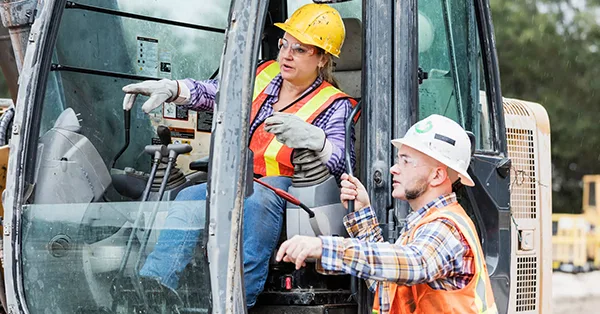
Construction sites never develop any serious safety problems overnight; it happens gradually. Sometimes a guardrail goes unreported, workers start taking shortcuts to meet deadlines, or safety inspections are skipped, revealing some problems. These problems feel manageable, but they actually indicate that a project’s safety procedures need closer attention.
In New York City, construction projects are instructed to operate under strict safety requirements. There, contractors have to consider worker protection, public safety, equipment operations, and applicable Department of Buildings regulations. An NYC Safety Consultant can provide additional guidance when project teams are struggling to identify hazards, organize safety procedures, or address recurring compliance concerns.
Table of Contents:
- 1. Safety Violations Keep Appearing During Inspections
- 2. Workers Follow Different Safety Procedures for Similar Tasks
- 3. Meeting NYC Construction Safety Requirements Has Become Difficult
- 4. Safety Documentation Is Missing, Outdated, or Difficult to Access
- 5. Contractors and Subcontractors Are Not Communicating Clearly
- 6. Minor Incidents and Near Misses Are Becoming Common
- 7. Safety Responsibilities Are Falling Behind Project Demands
- Building a More Reliable Construction Safety Process
- FAQs
1. Safety Violations Keep Appearing During Inspections
An occasional inspection finding does not necessarily indicate that a complete safety program has failed. However, repeated violations involving similar hazards suggest that the underlying issues have not been properly addressed.
For instance, inspectors may repeatedly identify inadequate fall protection, obstructed access routes, improper material storage, or unsafe scaffold conditions. Correcting the immediate issue might resolve one inspection finding, but it does little to avoid another occurrence if workers continue following the same practices.
Identify Why the Problem Keeps Returning
Project managers should check the circumstances behind recurring findings. Are supervisors unaware of the requirements? Are workers receiving insufficient instruction? Does the project lack correct equipment or clearly assigned responsibilities?
A corrective action process should identify the cause, document the important changes, and confirm that those changes remain effective.
Professional safety guidance can be especially valuable when a contractor has addressed the same issue several times without achieving lasting improvement.
2. Workers Follow Different Safety Procedures for Similar Tasks
Think about two crews performing comparable work on different floors. One establishes a controlled work area and checks protective equipment before beginning. The other begins immediately, assuming that previous arrangements are sufficient.
This inconsistency creates confusion about what the project actually needs.
Different subcontractors usually arrive with their own work methods, company policies, and safety expectations. Those differences can be problematic when site-wide rules are not clearly communicated.
Establish Consistent Site Expectations
A project should have clear procedures for common activities, covering accessing elevated work areas, handling materials, operating equipment, and reporting hazards.
Supervisors also need to explain any extra controls associated with particular tasks. Consistency does not mean applying the same procedure to every situation. It means ensuring that workers understand the relevant requirements and that similar hazards get appropriate attention.
Regular toolbox talks, task briefings, and observations can show whether written procedures are actually being followed.
3. Meeting NYC Construction Safety Requirements Has Become Difficult
New York City construction projects might be subject to federal OSHA standards, NYC Building Code requirements, and specific Department of Buildings rules. The requirements applicable to a specific project depend on factors such as the work being performed, building characteristics, and project scope.
Certain projects need formal site safety plans, designated safety personnel, or additional worker training. Renovations in occupied residential buildings may also need tenant protection measures.
Problems can arise when a contractor thinks that requirements from an earlier project automatically apply to a new one.
Review Requirements Before They Affect Construction
Project teams should check applicable requirements during planning and revisit them when the scope changes.
For example, demolition, excavation, and work at height can introduce obligations that differ from those associated with periodic interior improvements.
When project managers are uncertain about their responsibilities, an NYC Safety Consultant may help review relevant safety procedures, check potential compliance gaps, and coordinate appropriate corrective actions.
Consulting support does not remove the legal responsibilities of contractors, employers, or required licensed and registered professionals. It should strengthen the project’s ability to understand and meet those obligations.
4. Safety Documentation Is Missing, Outdated, or Difficult to Access
Construction safety records offer a practical purpose beyond demonstrating that paperwork exists. They help confirm that workers have received appropriate instruction, equipment has been checked, and identified hazards have been addressed.
A project might run into trouble when inspection records are incomplete, training documents cannot be located, or written safety procedures no longer reflect conditions on site.
Imagine a subcontractor introducing new equipment without updating the relevant task assessment. Workers may continue depending on instructions prepared for an entirely different method of operation.
Keep Documentation Connected to Actual Work
Safety documentation should be organized around the activities taking place on the project.
Relevant records may cover training verification, inspection findings, hazard assessments, corrective actions, and required project-specific plans.
A practical system makes these documents accessible to responsible personnel and establishes when they need review.
Digital records can simplify organization, but they are not a substitute for good information. A poorly maintained electronic system creates many of the same problems as an outdated paper folder.
5. Contractors and Subcontractors Are Not Communicating Clearly
A construction project may include electricians, plumbers, concrete crews, equipment operators, and other specialists working in nearby areas.
Each contractor may understand its own assignment while remaining unaware of hazards created by another trade.
For instance, workers performing overhead installation may create risks for people moving through the area below. Equipment deliveries may temporarily restrict established access routes. Changes to temporary electrical arrangements may affect multiple crews.
Without coordination, routine activities can interfere with one another.
Improve Communication Between Trades
Daily coordination meetings should address more than production targets. Supervisors need to discuss upcoming high-risk tasks, changes in access, restricted areas, and hazards that could influence other workers.
Contractors should also establish a clear process for communicating unwanted changes.
If a subcontractor modifies its work sequence, the affected teams should get updated information before the activity begins.
Effective coordination is particularly important when multiple employers share a worksite because an unsafe condition created by one company may expose workers employed by another.
6. Minor Incidents and Near Misses Are Becoming Common
A worker trips over poorly stored materials but avoids injury. A tool falls from a raised platform without striking anyone. Equipment moves unexpectedly close to a pedestrian route.
These events may not result in immediate harm, but they show conditions that deserve investigation.
A near miss offers an opportunity to identify a hazard before it causes an injury. Dismissing these incidents because nobody was hurt can let unsafe practices continue.
Look for Patterns Instead of Isolated Events
Supervisors should encourage workers to report near misses without fear of punishment.
Reports should emphasize what happened, which conditions contributed to the event, and how similar incidents can be prevented.
If several reports include the same access route, equipment type, or work activity, the project may need changes beyond a simple reminder to be careful.
Reviewing near-miss information with inspection findings and worker feedback can reveal risks that are not obvious during scheduled inspections.
7. Safety Responsibilities Are Falling Behind Project Demands
Construction schedules can become increasingly demanding as deadlines approach. Supervisors may spend most of their time coordinating deliveries, resolving design questions, managing subcontractors, and monitoring production.
Safety responsibilities can get less attention when the same individuals are expected to handle too many competing tasks.
This situation becomes particularly concerning when inspections are postponed, corrective actions remain open, or workers do not know whom to approach with a safety concern.
Determine Whether Additional Safety Support Is Needed
Project leadership should assess whether existing personnel have enough time, knowledge, authority, and resources to manage the site’s safety responsibilities.
Some projects may benefit from improved internal procedures or extra supervisor training. Others may require qualified safety personnel or specialized consulting support.
The decision should reflect the real hazards, workforce, project complexity, and applicable regulatory requirements instead of simply the size of the construction budget.
Building a More Reliable Construction Safety Process
One warning sign does not automatically mean that a construction project requires an outside consultant. However, recurring hazards, inconsistent procedures, poor documentation, and unresolved communication problems show that the existing approach deserves a thorough review.
A reliable safety process depends on regular hazard identification, worker participation, clear responsibilities, practical training, and timely corrective action. It also needs management to reassess procedures as the project changes.
Contractors should treat safety concerns as information that can improve the way work is organized, not simply as obstacles to meeting deadlines. Addressing issues early helps protect workers, supports better coordination, and reduces preventable disruptions.
The goal is not just to prepare for the next inspection. It is to create working conditions in which hazards are recognized, responsibilities are understood, and safety remains part of everyday construction decisions.
FAQs
Is hiring a professional safety consultant expensive?
Why Has Meeting NYC Construction Safety Requirements Become Difficult?
Ans. New York City construction projects might be subject to federal OSHA standards, NYC Building Code requirements, and specific Department of Buildings rules. Problems can arise when a contractor thinks that requirements from an earlier project automatically apply to a new one.
Why is professional safety guidance important?
Ans. Professional safety guidance can be especially valuable when a contractor has addressed the same issue several times without achieving lasting improvement.
Related Posts