A homeowner should inspect a roof twice a year, and especially after a major storm, rain, or changing weather conditions.

How to Maintain Your Roof and Prevent Costly Damage
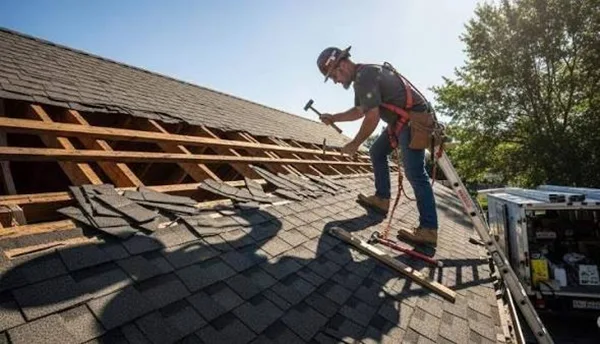
Maintaining a roof is not a difficult task, because a roof barely fails overnight. Small defects start with water intrusion, then water rots decking, soaks insulation, and feeds mold. Then a $200 repair turns suddenly into a $10,000 replacement. Know the 5 roofing maintenance mistakes that cause expensive home repairs.
Routine maintenance prevents such situations. This guide covers what to inspect, when to do it, and which fixes matter most.
Table of Contents:
- Inspect Your Roof Twice a Year
- Know When to Call a Professional
- Keep Gutters and Drainage Clear
- Check Flashing and Penetrations
- Balance Attic Ventilation and Insulation
- Remove Moss, Algae, and Debris
- Repair Minor Damage Early
- Follow Industry Guidance and Protect Your Warranty
- Respond Fast After Storms
- Build a Simple Maintenance Calendar
- Frequently Asked Questions
Inspect Your Roof Twice a Year
Check your roof in spring and fall. Add a check after every major storm. Begin from the ground with binoculars. Avoid climbing a wet or steep roof.
Look for these warning signs:
- Cracked, curled, or missing shingles
- Heavy granule buildup in gutters
- Lifted or rusted flashing
- Sagging ridge lines
- Moss, algae streaks, or dark patches
Then inspect the attic. Look for daylight through the boards. Check for damp insulation and stained rafters. Moisture there points to a leak above.
Know When to Call a Professional
Some work requires training and fall protection. A licensed contractor like Jersey Eco Roofing can assess decking, flashing, and ventilation safely. Pros also identify hidden damage that ground checks miss.
Hire out any work on steep pitches, tile, or slate. One slip costs more than any repair.
Keep Gutters and Drainage Clear
Clogged gutters hold water against the roof edge and fascia. Water backs up under the initial layer of shingles. It freezes and forms ice dams in winter.
Clean gutters at least twice a year. Flush downspouts with a hose. Confirm they discharge three to four feet from the foundation. Check the slope too. Gutters should fall about 1/4 inch per 10 feet toward the downspout. Trim branches that hang over the roof.
Check Flashing and Penetrations
Flashing seals joints at chimneys, skylights, vents, and valleys. Most leaks begin here. Metal expands and contracts with heat. Sealant dries and cracks over time.
Check these points:
- Step flashing along sidewalls
- Counterflashing at chimneys
- Rubber pipe boots, which often crack within 10 to 15 years
- Sealant beads around skylights and vents
Replace failed boots. Re-seal with a compatible sealant. Do not smear roof cement over a failed joint. It hides the issue and traps water.
Balance Attic Ventilation and Insulation
Heat and moisture shorten shingle life. A balanced system pairs soffit intake vents with ridge or roof exhaust vents.
Interesting Fact
The International Residential Code generally calls for 1 square foot of net free vent area per 150 square feet of attic floor. Some balanced setups use a vapor retarder, which uses 1 per 300.
Keep insulation from blocking the soffit vents. Install baffles at the eaves. Poor airflow causes ice dams, warped decking, and blistered shingles.
Remove Moss, Algae, and Debris
Moss holds moisture and lifts shingle edges. Algae stains look bad but cause little structural harm. Both demand attention.
Use a soft brush and a cleaner the shingle manufacturer approves. Avoid pressure washing. It strips granules and impacts roof life. Install zinc or copper strips near the ridge to slow regrowth. Clear leaves from valleys after each storm.
Repair Minor Damage Early
Replace damaged shingles as soon as you find them. Match the type and exposure. Use corrosion-resistant roofing nails. Most manufacturers call for four to six per shingle, depending on wind rating. Nails must hit the nailing strip. Overdriven or high nails cause blow-offs.
Seal tabs with asphalt roofing cement where the manufacturer allows it. Consider checking the 6 warning signs of roof damage. Minor fixes now protect the underlayment and deck.
Follow Industry Guidance and Protect Your Warranty
The National Roofing Contractors Association publishes a homeowner’s guide to asphalt shingle roof inspection, maintenance, and repair. It defines owner responsibilities and covers routine inspection basics. Use it as your baseline.
Keep records too. Many warranties need documented maintenance. Save invoices, photos, and inspection dates.
Respond Fast After Storms
Wind and hail can damage a roof without causing visible leaks. Inspect from the ground after severe weather. Look for dented vents, displaced shingles, and debris on the roof.
Photograph everything for insurance. Cover exposed areas with a tarp if required. Then call a contractor.
Build a Simple Maintenance Calendar
Spring is for shingle, flashing, and attic inspections. Summer is for trimming branches and checking sealants. Fall is for cleaning gutters and clearing valleys. Winter is for watching ice dams and heavy snow load.
Consistency matters more than intensity. A short check on schedule beats a major repair after a failure. Treat your roof like any other major system in your home.
Frequently Asked Questions
How many times should a homeowner inspect a roof?
How to inspect a roof?
To inspect a roof, choose a time when the roof and the shingles are dry. Spring and fall are the best seasons for an inspection. Climb up and look for any damage or leaks.
Should a homeowner ignore minor damage?
Minor damages are the one that can turn into major issues and the cost of iugnoring them can be a full roof replacement. Treat minor damage as soon as possible.
Related Posts