Popular combinations include:
- Linen curtains
- Bouclé seating
- Wool rugs
- Textured plaster finishes

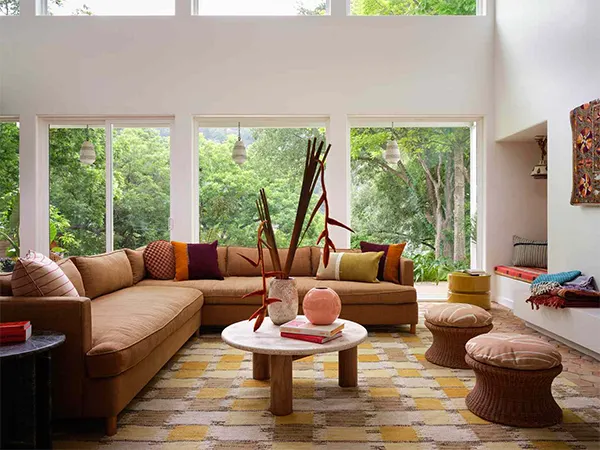
Home design is always evolving, reflecting changes in lifestyle, technology, and preferences. In 2026, homeowners are focusing more on creating spaces that feel comfortable and functional at the same time, as modern homes are no longer just a place to live, it’s also a workspace, gathering spot, and a reflection of style.
What’s uniquely interesting about this year’s trends is the prioritization of the balance between aesthetics and practicality. From natural materials and warm color palettes to multifunctional rooms and personalized decor, modern interior design trends are centered around creating environments that feel inspiring and livable
This article showcases the latest design movements, helping you make choices that feel current while also remaining timeless.
Key Takeaways
- One of the biggest changes in 2026 is the transition from cookie-cutter interiors to homeowners embracing individuality and integrating elements that tell their own stories
- Many designers recommend layering multiple shades from the same color family to create added depth and sophistication without overwhelming the area
- Many homeowners are becoming more conscious of the environmental impact that their choices create, thereby leaning towards more sustainable design practices
- The interior design trends dominating the landscape in 2026 reflect a broader shift toward authenticity, comfort, and intentional living
One of the biggest changes in 2026 is the transition from cookie-cutter interiors to homeowners embracing individuality and integrating elements that tell their own stories.
Instead of copying a design directly from a magazine, people are mixing vintage selections with modern furniture and choosing decor that displays their interests and experiences. The goal is to create a space that is authentic rather than appearing staged.
This particular trend has also inspired many homeowners to experiment with custom art and decorative collections. Digital tools such as an AI poster maker make it a lot easier to design personalized artwork that goes well with a room’s style while also adding a different touch that isn’t usually found in regular retail stores.
The result is a home that feels deeply connected to the people who live in it.
For years, cool grays dominated interior design. In 2026, warmer tones have taken their place.
Homeowners are gravitating toward colors inspired by nature, including:
These colors create a welcoming atmosphere and align perfectly across a variety of design styles.
Many designers recommend layering multiple shades from the same color family to create added depth and sophistication without overwhelming the area.
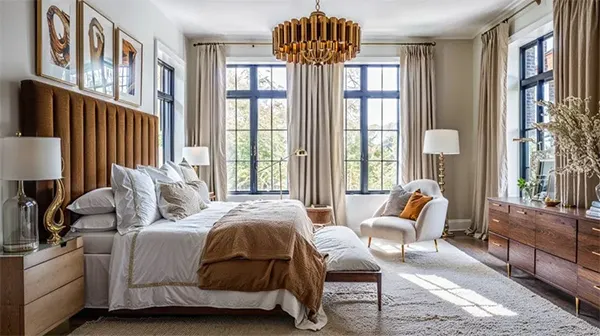
The way people use their homes has changed significantly.
Many households now require spaces that serve multiple purposes throughout the day. A guest room may work as a home office, while a dining area might also function as a workspace during business hours.
This has led to increased demand for:
The emphasis is on adaptability without sacrificing style.
Well-thought-out multifunctional additions help homeowners maximize square footage while also maintaining comfort and organization.
Nature-inspired interiors remain one of the strongest design movements of the year.
Wood, stone, linen, wool, and other natural materials are being added throughout homes to create warmth and texture.
These materials offer several advantages:
Natural finishes rarely go out of style.
Unlike trendy materials that may feel dated after a few years, wood and stone tend to age gracefully.
A vintage console table perfectly embodies this timeless appeal. Crafted from aged wood with authentic character and a sense of history, it brings warmth, texture, and natural beauty into a home in a way that newly manufactured furniture simply cannot replicate.
Organic textures create visual softness and make rooms feel more inviting.
Many homeowners are becoming more conscious of the environmental impact that their choices create, thereby leaning towards more sustainable design practices.
Fun Fact
Modern designers now treat ceilings as the “fifth wall”, favoring bold accent ceilings, custom textures, and intense colors over plain white.
Lighting is no longer viewed as a purely functional necessity.
In 2026, homeowners are using lighting as a focal point within their interiors.
Popular options include:
These fixtures help define spaces while adding personality and visual interest.
Designers usually describe lighting as the “jewelry” of a room because of its ability to alter the overall atmosphere.
Sharp edges and rigid lines are gradually giving way to softer forms.
Curved sofas, rounded coffee tables, arched doorways, and silhouettes are becoming more and more popular.
These shapes contribute to a more relaxed and welcoming environment.
Additionally, curved furniture also helps create better flow within a room, especially in open-concept rooms.
More homeowners are prioritizing mental and physical well-being when making design decisions.
This trend extends beyond simply creating attractive spaces. Technology is also playing a role in helping people personalize their environments, with AI image generation tools making it easier to explore creative ideas. For example, homeowners can use tools that transform a photo to painting to create personalized artwork that complements their interior décor.
People are incorporating features such as:
The objective is to create environments that support relaxation and reduce stress.
As the lifestyle becomes increasingly busy, many homeowners view their living spaces as great areas for maintaining balance and wellness.
Sustainability is no longer a niche consideration.
In 2026, many homeowners actively seek eco-friendly options when furnishing and decorating their homes.
Examples include:
Beyond environmental benefits, sustainable choices also contribute toward more distinctive and character-filled interiors.
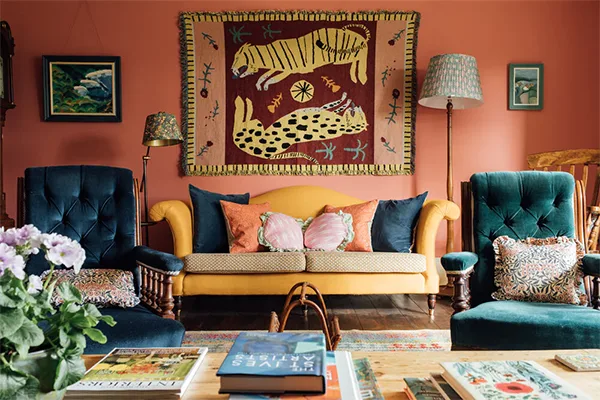
Rather than filling rooms with lots of decoratives, many homeowners are focusing on texture to create visual interest.
Layered textiles, woven materials, textured walls, and natural fabrics allow the addition of depth without creating much clutter.
Popular combinations include:
This approach supports a cleaner, more refined aesthetic while maintaining warmth and comfort.
The interior design trends dominating the landscape in 2026 reflect a broader shift toward authenticity, comfort, and intentional living. Homeowners are focusing on spaces that feel personal, adaptable, and connected to their lifestyles rather than just following passing trends.
From warm color palettes and natural materials to wellness-focused design and multifunctional layouts, modern interiors are designed around real-life needs. The focus no longer remains with creating picture-perfect rooms but on designing spaces that complement daily living while expressing individuality.
As these trends continue to evolve, one thing remains certain: the most beautiful homes are the ones that genuinely reflect the people who call them home.
Popular combinations include:
Instead of copying a design directly from a magazine, people are mixing vintage selections with modern furniture and choosing decor that displays their interests and experiences.
People are incorporating features such as:
Popular options include: Sculptural pendant lights, oversized chandeliers, artistic wall sconces, and layered lighting systems.