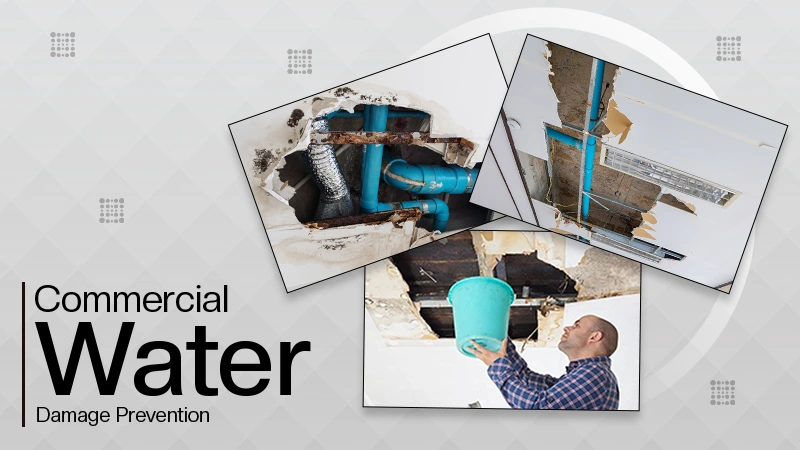
Keep up the important work, plan preventative maintenance, track each cost, and focus on choosing components that work for the long term.

How Facility Managers Are Maintaining Buildings on Flat Budgets
Maintaining a building demands huge expenses. To avoid this, facility managers are there. They make better decisions, keep buildings safe, functional, and presentable. All this happens while keeping the costs as low as possible. This means that the buildings will look prime while the associated cost for maintenance will be low.
This way, proactive maintenance demands a smart approach, replacement ideas, use of modern technology and energy-efficient tricks to control costs while providing better facilities.
Keep reading to explore how facility managers are maintaining buildings on flat budgets.
Table of Contents:
The Challenge of Shrinking Budgets
It’s hardly a pleasant coincidence that facility managers are being forced to do more with less nowadays. Rising operational costs, supply chain accidents and even prolonged post-pandemic financial challenges have prompted declining or even shrinking spending programs across the board. This financial pressure creates a serious roadblock, with many facility supervisory teams reporting that budget deficits are their primary barrier to rolling out much-needed modernization efforts.
This leaves managers in a difficult role, forced to perform a constant harmony act. They have to cover legitimate, nonnegotiable maintenance to ensure ongoing safety and operational efficiency, all while staying true to strict cost-saving mandates that often delay vital long-term upgrades and investment decisions.
Smart Maintenance Prioritization
When every dollar counts, it’s helpful to shift from a reactive to a preventative maintenance strategy. Smart facility management involves identifying potential needs and, instead of constantly putting out fires, ranging them effectively. They’ll produce a maintenance priority list by evaluating the criticality and visibility problems involved.
Critical repairs concern safety and core operations, such as a crashed boiler, while visible repairs, often less crucial, directly impact user perception. Even on a tight budget, centering on high-impact, visible areas can considerably enhance how somebody reviews a building. Simple, cost-effective exterior upgrades can markedly boost curb appeal, promoting an image of a well-maintained property.
Also, explore 5 questions to ask before hiring industrial construction services.
Strategic Replacements for Long-Term Savings
A smart option for flat-budget management involves looking beyond early price tags and estimating an asset’s total life-cycle cost. This assessment may translate to investing in durable, high-quality accessories that cost more up front but save money over time. A notable example is asking for high-performance rolling steel doors in high-traffic areas.
Traditional doors may wear out instantly compared to these stable systems, which are engineered for up to 500,000 cycles, offering unsurpassed longevity. This unusually durable product will sharply reduce the need for frequent, costly repairs and push any replacement schedules far into the long run. The resulting long-term savings from such operational consistency and reliability of this example alone would negate budget stress for many years to come.
Leveraging Technology for Efficiency
Technology is a powerful ally for facility managers who are charged with operating on a tight budget. Modern tools like Computerized Maintenance Management Systems and building automation platforms motivate teams to streamline work orders and arrange schedules, in effect doing more with less.
Beyond administrative tasks, technology also produces significant financial benefits, with energy management offering ample opportunities for cost savings. Smart sensors and analysis software track real time consumption patterns, setting waste from lighting and HVAC systems. This invaluable data pinpoints operational mistakes and provides the hard facts facility managers need to justify thoughtful investments in energy-saving upgrades.
The Ethical Future of Facility Management
Successfully handling the future of facility management ethically, especially under extremely strict budget constraints, means working deeper and not harder. Promoting green practices is a financial choice as well as an ethical one. Reducing energy intake, minimizing waste and creating more useful buildings directly translates to lower processing costs, proving that sustainable management is, ultimately, the most fiscally advantageous path forward.
Successfully solving financial constraints hinges on adopting the core plans already mentioned, none of which is more essential than the increasingly vital role ecology plays in budgeting. Looking ahead, the combined lifeblood of the planet and the construction industry has rendered ethical sustainability more than just an option for architects.
Turning Constraints Into Strategic Opportunities
Ultimately, a flat budget is a driving force for innovation in facility management. It’s an invitation to become more thoughtful and technologically adept. By emphasizing proactive maintenance, making wise long-term shifts in durable systems and harnessing technology for critical data, managers can unlock powerful new ways to save. These core ideas, especially used in tandem with ethical sustainability, make it practically possible to maintain and even elevate a facility’s condition and execution, proving that smarter management can triumph over a tiny budget.
Also, explore what building owners must know before replacing a commercial roof.
Conclusion
In the end, a flat maintenance budget has nothing to do with low building standards when managed well. It serves a need for better planning and more deliberate spending. When the issues are found on time, long-term options are chosen, smart technology is used, and unnecessary wastage of facilities is avoided, budgets automatically get lower.
This way, facility managers ensure low budgets. Over time, these strategies can help with dependable building performance while mitigating the pressure caused by repeated repairs and unavoidable expenses.
FAQs
How can facility managers manage maintenance on a flat budget?
Why is preventative maintenance crucial for budget control?
It can help to find out issues on time and lower the likelihood of costly emergency repairs.
How can energy efficiency help with a limited budget?
Keeping track of energy can reduce waste and help managers make efficiency improvements that can be enhanced over time.
Related Posts