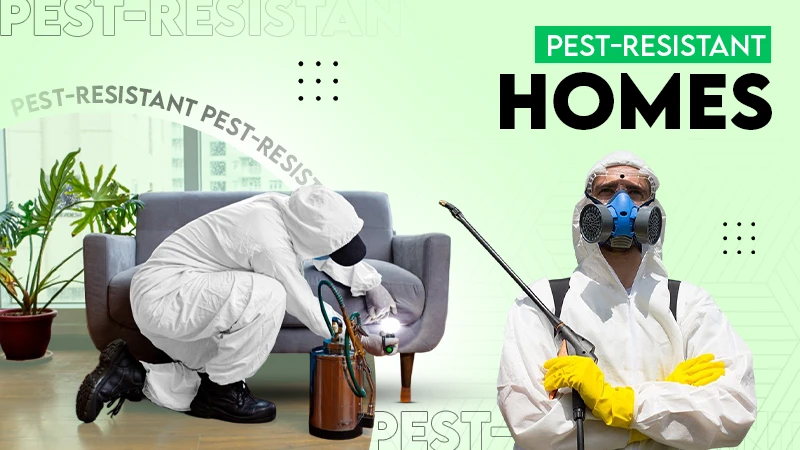
Because small cracks, aging materials and moisture serve as easy entry points for them to come and grow.

Simple Ways to Keep Older Homes Pest-Resistant

Traditional and older homes have their own string and unique character that adds a different value to their look. Those timeless architectures and unique structures are always appreciable. But along comes the challenges of maintenance.
Over time, small cracks and moisture can serve as a right environment for pests to grow. The good news is that you do not need to go for renovations to avoid them. Simply following smart practices can keep your home protected.
This article shares simple ways to keep your home pest-resistant.
Table of Contents:
Why Older Homes Attract Pests
Older homes alter, shift, and age in ways that newer homes usually haven’t yet. That means small cracks around windows, worn door sweeps, maturing wood, and damp basements can quietly provide perfect pest entry points. To a mouse, a gap the size of a dime is simply an open door with a cozy mat.
Crawl spaces, original vents, and older structural openings can also give insects and rodents easy reach. Add in peeling caulk or weathered siding, and you’ve got a lot of little fault spots that are easy to neglect during daily life.
That’s why periodic pest trouble in an older house often isn’t about being unsightly. It’s usually about structure and moisture. After borrowing traps or spray from the hardware store, many homeowners start looking into pest control services in Glen Allen, VA, when the same issue keeps coming back up like an unwanted sequel.
Check Hidden Entry Spots
Pests rarely simply walk through the front door like they pay the mortgage. They usually sneak in through basement cracks, gaps around utility lines, loose roof edges, attic vents, and damaged window screens. Even a mildly warped door frame can be sufficient for ants, spiders, or mice to fall through.
A simple seasonal inspection can catch a lot. Look very carefully where pipes or cables enter the house. Check basement windows, vent covers, and the edges where siding matches trim. If you can see sunshine around a door, pests can probably see a great deal.
You don’t need special tools for this. A flashlight, a dry day, and ten or fifteen minutes can do plenty. Make notes on your phone as you go. That way small replacements don’t turn into a full bug-and-mouse version by the next season.
For a better understanding, take a look at what restaurant pest issues can teach homeowners.
Fix Moisture Problems Early
Water is like a dinner bell for many pests. Termites love wet wood. Silverfish enjoy humid habitats. Roaches and rodents often settle close to places where water is easy to find. If your basement smells musty or your attic feels greasy, pests may already think it’s prime real estate.
Start with the basic principles. Check under sinks for slow leaks. Look around water heaters, washing machine hoses, and basement pipes. Clean your gutters so rainwater moves away from the house in place of collecting near the foundation like a tiny pest spa.
A dehumidifier can help a lot in basements and enclosed spaces. Better airflow in attics also helps more than people think. If you store things in cardboard boxes in humid areas, switch to plastic bins when possible. Dry spaces are less tempting for pests, and boring is exactly what you want.
Also, learn why moisture testing is essential before a home renovation.
Clean With Prevention in Mind
Pest control doesn’t mean your house has to look like a traveling exhibition where nobody’s allowed to eat crackers. It just means making everyday chores less rewarding for pests. Crumbs under the toaster, open cereal bags, and pet food left out last night can all become a buffet.
Try packing pantry goods in sealed containers, especially flour, cereal, rice, and snacks. Vacuum the edges and under furniture more often than you think you need to. Rotate older boxes in closets or storage rooms so nothing becomes a long-term secret place with dust as the housewarming gift.
If you have pets, scoop or store unused food before bed. Keep recycling filtered out, and don’t let clutter pile up near walls. You don’t need elite skills. You just want to make your home a little less difficult for pests and a lot more enjoyable for you.
Protect Your Outdoor Areas
What unfolds outside your house often decides what shows up inside it. Overgrown shrubs, stacked firewood, wet leaves, and excess water can all draw pests closer to your walls. Once they’re hanging around the outer walls, finding a way in gets much easier.
Trim plants so they don’t touch the house. Branches and vines can behave like little bridges for insects and rodents. Keep firewood stored away from the base, and clear out leaf piles or debris near decks, sheds, and fences.
Check for untreated water in birdbaths, planters, clogged gutters, or low points in the yard. Mosquitoes don’t need a swimming pool. They’re fulfilled with a puddle and a dream. Also, inspect sheds, decks, and fence lines for rot or wounds that could protect pests before they try your home next.
Know When Signs Repeat
One ant in the kitchen might just be one ant. A line of ants every week is a different story. Repeated spills, chewed paper or wiring, nests in corners, scratching sounds, odd smells, or the same bug notices over and over usually mean there’s a bigger issue behind the scenes.
You don’t need to panic when you sense something. Just pay regard to patterns. Are droppings showing up in the same cabinet? Do you keep spying movement in the wall at night? Are pantry moths hanging around even after you tossed old food? Repetitive activity is the clue.
When signs keep coming back, the problem may be more profound than surface cleaning or a single trap can address. That could mean hidden entry points, moisture damage, or a nest somewhere out of sight. Finding the pattern early usually makes the fix simpler and less frustrating.
Build a Seasonal Routine
The most common way to keep an older home pest-resistant is to stop taking care of it as one giant project. Think of it as a small routine distributed across the year. In spring, check for cracks, screen damage, and drainage issues. In summer, watch for ants, mosquitoes, and moisture in damp areas.
In fall, seal gaps around doors and electricity lines before temperatures drop and pests start searching for indoor shelter. In winter, keep storage areas tidy, monitor for debris, and make sure firewood and cardboard aren’t tempting guests you never asked for.
Conclusion
At the end of the day, keeping an older home pest-resistant does not require constant upkeep for the home. Being active in performing small maintenance tasks, inspecting on a routine basis, and a bit of seasonal upkeep can work for many decades to keep the unnecessary visitors away from the home.
By sealing the entry points, reducing the moisture and acting at the right time, the home can never invite pests and keep the character of the home alive.
FAQs
Why do older homes attract more pests?
How to avoid pests from coming inside the home?
Seal gaps, fix leaks, reduce the moisture and inspect to actions on the right time.
How often to inspect my home for pests?
A seasonal inspection is a smart habit to catch problems at the right time. For sensitive cases, early inspections can also be done.
Related Posts