Cool your pool by running the pump at night. Running your pool pump after the sun goes down circulates cooler nighttime air, helping to lower your water temperature.

Easy Ways To Keep Your Pool Systems Running Smoothly
Table of Contents:
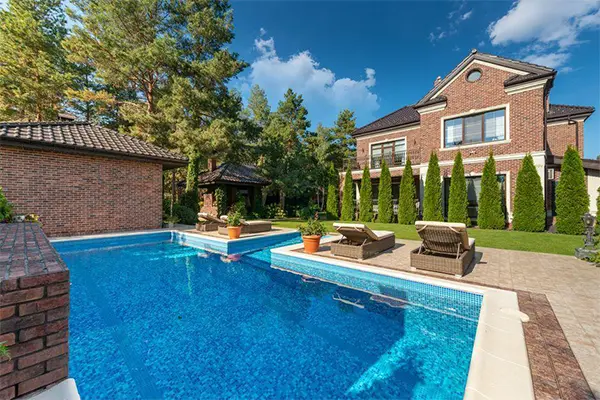
If you are facing issues with your poor who has started treating you like your high-school roommate, don’t worry, you are not alone.
Pool systems don’t stay young and fresh forever, and eventually begin to show signs of wear.
You might even notice huge fluctuations. One day everything seems fine, whereas on the other day, water seems cloudy, the pump breaks down, and energy costs increase. However, not everything that happens with your pool needs an expert; you can do it easily by making some smart choices.
Key Takeaways
- Regularly inspect your pool’s pump, filter and heater for signs of performance issues before they develop into costly repairs.
- Higher energy bills can be a sign that your pool equipment is ageing or inefficient and may need servicing or replacement.
- Watch for things like cloudy water, slow water flow, strange noises, and longer heating times to catch problems early.
- Take safety seriously. Fix leaks, repair damaged electrical parts, and replace worn equipment immpediately.
Know When To Upgrade
A pool usually gives you a few hints before the equipment gives up completely and the ability to understand these hintrs makes the difference.
You might notice the pump getting louder and the filter struggling to keep water clear, or even the heater taking forever to warm things up.
Those little annoyances can even point to a bigger issue then it appears. Parts wear down over time, and older systems often stop working as efficiently long before they fully fail.
If your setup is aging, it may be time to look into pool equipment replacement. That can mean swapping out a worn pump, an outdated filter, or a heater that’s burning cash without showing clear signs. You don’t have to replace everything at once either. Sometimes even one smart upgrade can improve how the whole pool runs. You can think of it like replacing old sneakers. You can still walk in them, but your feet know the truth.
Watch Your Energy Bills
Your utility bill can tell you a lot about what’s happening in your backyard. And assessing these bills can give you a clear picture. If the cost starts creeping up and your habits haven’t changed much, older pool equipment could be a probable reason.
Pumps and heaters eventually lose efficiency as they age, so they often need more time and more power to do the same job.
You may also notice the system running longer than it used to. It might be due to the pump that stays on for hours more than expected, or the heater continues to be constantly trying to catch up. That kind of extra effort usually shows up on your monthly bill before it becomes obvious anywhere else.
This doesn’t mean every higher bill points to a major issue. Sometimes other factors such as Hot weather, more pool use, or changes in energy rates, can all play a part. Still, if your pool feels more expensive without feeling any better, it’s worth paying attention to and should be considered. A smooth-running system should not act like it’s training for a marathon every day.
Check Daily Performance
You don’t need fancy tools to notice when your pool system is slipping. You can start with baby steps.
A lot of the warning signs show up during normal use.
For example: Maybe the water flow from the jets feels weaker, Or Maybe your pool takes longer to clear up after a storm. Another idea can be: Maybe the cleaner moves around like it forgot why it showed up.
Cloudy water is another clue. In case your chemistry is balanced but the water still looks dull, the filter or pump may not be doing its job well.
You can even notice the Strange sounds because they matter too. Grinding, rattling, or humming noises can mean the equipment is under stress. Pool gear should make some noise, sure, but it should not sound like it’s auditioning for a monster movie.
Also, do not forget to pay attention to patterns rather than one-off issues. A single bad day doesn’t always mean much. But if the same problems continue to show up, your equipment may be telling you it’s tired. Catching that early can save you money and a lot of future frustration.
Think About Safety
Performance matters, but safety matters even more in such cases. Older pool equipment can become risky when parts start cracking, wiring wears down, or controls stop responding the way they should. And this is alarming . You might not see a hazard right away, which is why small warning signs deserve your attention.
For example, a timer that doesn’t switch on and off reliably may seem like a minor headache. But if your circulation gets thrown off for days at a time, the pool can become harder to keep clean and balanced, creating a ruckus. Damaged housings, loose fittings, or leaks near electrical components are also worth taking seriously.
This doesn’t mean you should panic every time something looks a little worn. Just dont go with a “I’ll deal with it later” approach for too long. Water and electricity are not exactly famous for getting along. And especially, when equipment looks unreliable, getting it checked or replaced is usually the smart move. Peace of mind is a pretty great pool feature, too.
Plan Repairs Smartly
Not every problem means you need brand-new equipment. Sometimes a simple repair can even buy you more time and keep things running well. The trick is knowing exactly when a repair makes sense and when it’s just a bandage on a bigger issue.
Start by looking at age and then at frequency. If a piece of equipment is fairly new and this is the first problem, repairing it may be the practical choice. But if you’ve fixed the same pump twice in one season or your heater keeps quitting at the worst time, those repair costs can pile up .
Timing matters too. Replacing equipment before peak swim season can save stress and give you more options. Waiting until the system fully fails in the middle of summer usually feels less fun and more chaotic.
Choose Better Features
If you do replace older equipment, it helps to think beyond “just make it work.” Newer pool systems often come with features that make everyday ownership easier and more enjoyable. That can mean quieter pumps, simpler controls, or filters that do a better job with less fuss.
Energy-efficient upgrades are often the biggest crowd-pleasers. A better pump can run more quietly and use less power. Improved heaters can warm the water more consistently. Some systems even make maintenance feel less like a mystery and more like a routine you can actually manage.
Convenience matters more than people think. If your pool is easier to care for, you’re more likely to enjoy it instead of treating it like just another household chore. The best upgrades don’t just fix a problem. They eventually make your pool feel smoother, calmer, and less dramatic. And honestly, your backyard has enough personalities already.
Conclusion
You don’t need to be a pro to keep your pool system in great shape; you just have to stay on top of it, and do routine maintenance. With a little insight into the warning signs, smart repair choices and investment in efficient upgardes where, you can enjoy clearer water and lower energy bills.
FAQs
What keeps pool water cold?
What temperature is a pool good for arthritis?
The recommended water temperature for warm water exercise is 83 to 90 degrees. Most people find temperatures in this range to be comfortable and soothing to sore joints and muscles, which makes exercise easier.
Why is pool maintenance important?
It helps prevent future problems with filters and unwanted debris, which can clog your pool’s systems and cause damage over time.
What is the lowest maintenance type of pool?
Choose fiberglass for the lowest maintenance and the fastest install. Choose vinyl liner for the lowest upfront price.
Related Posts