The first thing you should renovate in your house is the kitchen!

7 Everyday Signs Your Home Is Ready for a Fresh Upgrade

Your home changes slowly over time, which is why it’s easy to miss signs that something feels a little off. A room that once felt spacious might seem cramped.
A window that opened smoothly may suddenly put up a fight. These small changes often happen so gradually that you adapt without noticing.
Paying attention to them can help you make smart improvements before small annoyances become costly problems.
Sometimes, a few thoughtful changes can make your home feel fresh, comfortable, and better suited to your daily life.
Key Takeaways
- Explaining how small changes add up
- Assessing why windows feel different
- Figuring out why storage starts disappearing
- Creating a home that fits
Table of Contents:
When Windows Feel Different
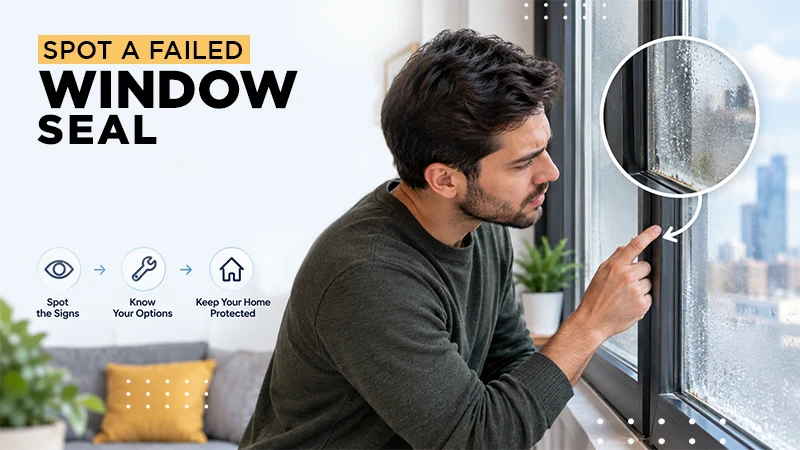
Windows play a bigger role in your comfort than many people realize.
They help control temperature, reduce outside noise, and bring natural light indoors. When they begin to age, the difference can be surprisingly noticeable.
Another common sign is difficulty opening or closing the window. If you need extra effort every time, the frame or components may be wearing out. Sticking windows can also create safety concerns during emergencies.
In some cases, homeowners begin comparing options for window replacement when repairs no longer solve recurring problems.
Modern windows can improve comfort, reduce energy waste, and make daily living easier.
If your windows seem to be working against you instead of helping, it may be worth taking a closer look.
Small Changes Add Up
Homes age just like anything else you use every day.
Paint fades, fixtures wear out, and layouts that once worked perfectly may start feeling less practical. The tricky part is that these changes happen slowly. You get used to them and stop noticing the little inconveniences.
If you find yourself making the same complaint every week, your home might be trying to tell you something. Think of it as your house sending gentle reminders instead of shouting for help.
Small upgrades often cost less and create less stress than waiting until something fails.
A little attention now can save you money, time, and a few headaches later.
Rooms That No Longer Flow
A room can be perfectly designed for one stage of life and completely wrong for the next. That’s normal. Your needs change, and your home should adapt along with them.
Many people now work remotely at least part of the time. A dining room table that once hosted family dinners might also serve as a temporary office. Over time, that arrangement can feel crowded and inconvenient.
Growing families create different challenges. Toys appear in unexpected places. School supplies multiply like rabbits. Suddenly, spaces that once felt open seem packed with activity.
Hobbies can change how you use your home too. Whether you enjoy crafting, fitness, gaming, or gardening, your interests often require dedicated space.
Before considering major renovations, try observing how each room functions throughout the day. You may discover that rearranging furniture or repurposing an underused area solves more problems than expected.
A home works best when it supports your lifestyle rather than forcing you to work around it.
Storage Starts Disappearing
Have you ever opened a closet and wondered where all the space went? You’re not alone.
One of the clearest signs your home needs an upgrade is when storage seems to vanish.
Clutter often points to hidden storage challenges rather than personal habits. If frequently used items never seem to have a permanent home, your storage setup may need improvement.
Simple solutions can make a big difference:
- Add shelving inside closets.
- Use storage benches in entryways.
- Install hooks behind doors.
- Choose furniture with built-in storage.
The goal isn’t to hide everything. It’s to make daily life easier.
When your belongings have designated places, cleaning becomes quicker and finding things becomes less frustrating.
A little organization can help your home feel larger without adding a single square foot.
Comfort Matters More
Many homeowners focus on appearance first, but comfort often has the biggest impact on daily happiness. A beautiful room isn’t very useful if nobody enjoys spending time in it.
Lighting is a good place to start. Rooms that feel too dark can seem smaller and less inviting. On the other hand, harsh lighting may make relaxing difficult.
Temperature is another important factor.
Seating also matters more than people expect. A couch that looked great in the showroom might not feel great after an hour-long movie.
After all, your home should feel like a place where you can recharge rather than another item on your to-do list.
Outdoor Spaces Need Attention
Your outdoor areas shape first impressions before anyone steps inside. They also create opportunities to relax, entertain guests, and enjoy fresh air without leaving home.
Focus on your entryway first. Is it friendly? “New plants, new lighting and clean walkways can make a difference.
Patios and porches deserve attention too. Comfortable seating encourages people to spend more time outdoors. Even a small corner can become a favorite retreat with a few thoughtful touches.
If you’re looking for inspiration, articles about outdoor living ideas can provide practical ways to make better use of available space.
Creating A Home That Fits
Home improvement trends come and go. One year it’s all about open shelving. The next year everyone wants hidden storage. Chasing every trend can leave you exhausted and your wallet feeling lighter.
A thoughtful improvement doesn’t need to impress visitors. It should make your routines easier and your space more enjoyable. Sometimes that means improving storage. Other times it means updating windows, refreshing outdoor areas, or reorganizing a room.
The best homes evolve with the people who live in them. They’re not perfect, but they don’t need to be.
Conclusion
Big renovations aren’t always the start of a home upgrade, but most often it’s the small signs that your space is no longer meeting your needs or style.
By learning how to read these everyday clues, you can make thoughtful improvements that add to comfort, function and value.
FAQs
What should I upgrade first in my home?
How long does it take for a new house to start feeling like home?
Most people naturally adjust to a new home within three to six months. But you don’t have to wait that long.
What happens 7 days before closing?
The week before closing is one of the busiest stages of a home sale. It’s when buyers and sellers complete the final steps to prepare for closing day.
What are the signs of a healthy home?
A healthy home is one that is dry, clean, safe, ventilated, free of pests and contaminants, well maintained, and thermally comfortable.
Related Posts