A basic inspection every few months is a good habit. It’s also smart to check your home after severe weather or seasonal changes.

What Every Homeowner Should Know About Long-Term Property Care
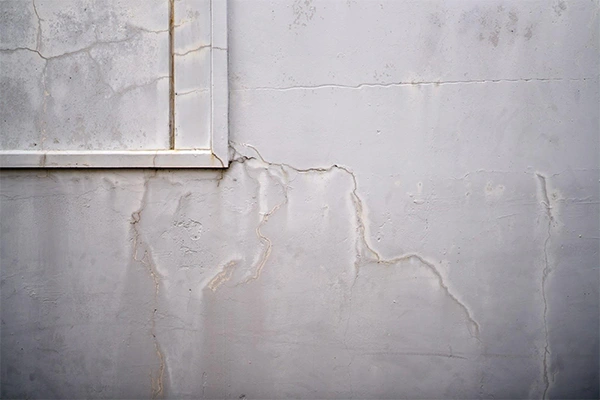
A home rarely asks for attention all at once. Instead, small signs begin to appear here and there. A faucet may start dripping. A door may stop closing properly. A section of paint may begin to fade. Individually, these issues seem minor, but together they tell an important story about property care.
For homeowners, maintaining a property is not only about preserving appearance. It is also about protecting value, avoiding expensive repairs, and creating a comfortable place to live. In communities throughout Cleveland, where homes experience changing seasons and years of wear, long-term care often becomes one of the most important responsibilities of ownership.
Many people focus on improvements that can be seen immediately, but sustainable property care often comes from less visible efforts. Like a fix-it-before-it-becomes-expensive approach, consistent maintenance helps prevent small concerns from becoming major problems. The result is a home that remains functional, comfortable, and valuable for years to come.
KEY TAKEAWAYS
- Small home problems are easier and less expensive to fix when caught early.
- Regular maintenance helps prevent unexpected repairs and costly damage.
- Simple habits like inspections and routine servicing can protect your home’s value.
- A well-maintained home is often more comfortable, efficient, and easier to manage over time.
Table of Contents:
The Small Stuff Is Usually The Big Stuff
One of the biggest mistakes homeowners make is assuming that minor issues can wait indefinitely. While some repairs may not seem urgent, delaying action often increases both complexity and cost.
Plumbing provides a good example. A slow leak may appear harmless at first, but water damage can spread gradually through walls, flooring, and cabinetry. The same principle applies to roofing, electrical systems, and heating equipment. Small concerns often grow quietly before becoming impossible to ignore.
This is why preventative maintenance deserves regular attention. And if you are looking for the best plumbers near Cleveland, do not worry. The Plumbing Source has been serving homeowners in the area for decades, providing professional plumbing, drain, and sewer services that help address issues before they develop into larger problems.
For example, a homeowner may schedule a routine inspection and discover a developing issue before significant damage occurs. Another family may resolve a drainage concern early, avoiding future repairs that would have required much more time and expense.
Would most homeowners prefer a simple maintenance visit or a major emergency repair? The answer is usually obvious.
Addressing concerns while they are still manageable remains one of the smartest property-care decisions that can be made.
Consistency Beats Occasional Effort
Many homeowners become motivated when a problem appears. The challenge is that long-term property care works best when attention is given before problems emerge.
Consistency creates stability. Homes benefit when maintenance schedules are followed and inspections are performed regularly. Small actions performed throughout the year often prevent larger disruptions later.
This does not mean every weekend must be spent working on home projects. Instead, it means creating a practical routine for evaluating key systems and addressing concerns promptly.
Exterior surfaces should be reviewed periodically. Plumbing fixtures should be monitored. Heating and cooling systems should be maintained according to recommendations.
When care becomes a habit, fewer surprises tend to occur. Homeowners gain a clearer understanding of their property’s condition, and future planning becomes easier.
A home that receives consistent attention is often better prepared to handle everyday wear and changing environmental conditions.
Simple Habits That Protect Your Investment
Long-term property care becomes more manageable when homeowners focus on practical habits rather than waiting for major projects.
Several habits can make a meaningful difference:
- Monitor exterior surfaces for signs of damage.
- Schedule routine maintenance for major systems.
- Address small repairs before they expand.
- Keep records of inspections and completed work.
These actions may seem straightforward, but their cumulative impact can be substantial.
For example, a homeowner who identifies moisture issues early may avoid significant structural damage. Another homeowner may extend the lifespan of mechanical systems through routine maintenance and timely repairs.
Property value is often protected through small decisions that are repeated consistently. The homes that age most successfully are frequently the ones that receive steady attention throughout the years.
The goal is not perfection. The goal is prevention.
A Well-Cared-For Home Supports Daily Life
Property care affects more than a home’s condition. It also influences how people experience the space every day.
A properly maintained home tends to feel more comfortable and easier to manage. Systems operate more efficiently, repairs become less disruptive, and unexpected expenses occur less frequently.
This principle can even extend to everyday activities such as organizing a home. When spaces are maintained properly and clutter is controlled, homeowners often find it easier to identify maintenance concerns before they become larger problems. A well-organized environment allows attention to be directed toward preservation rather than constant problem-solving.
Have you ever noticed how much easier it is to care for a property when everything has a designated place? Organization and maintenance often support one another.
A home should support daily life rather than create ongoing stress. Thoughtful care helps achieve that balance.
When maintenance, organization, and planning work together, the entire property becomes easier to manage.
The Homes That Last Are Rarely Left Alone
Many people assume that durable homes simply age well on their own. In reality, long-lasting properties are usually supported by years of consistent care and informed decision-making.
Every inspection, repair, and maintenance task contributes to the bigger picture. Small investments of time today often prevent substantial expenses tomorrow. More importantly, they help preserve the comfort, functionality, and value that homeowners depend on.
Would a property remain in excellent condition without regular attention? Very few would. Like any valuable asset, a home performs best when it is cared for consistently.
Long-term property care is not about reacting to emergencies. It is about building habits that reduce the likelihood of those emergencies occurring in the first place. When homeowners stay proactive, monitor key systems, and address concerns early, they create a stronger foundation for the future.
The benefits extend beyond financial savings. Peace of mind is gained, daily living becomes easier, and the home remains prepared to support the people who depend on it. In the long run, those advantages often prove just as valuable as the property itself.
Conclusion
Taking proper care of your house does not happen by luck; rather, it takes a lot of focus on small details, consistency in maintenance, and dealing with any issue before it becomes bigger. Even though there will be no property that would not suffer from deterioration, taking care of it regularly will ensure that you are less likely to face unexpected expenses in the future.
It should be stated that maintaining your property for many years does not imply the need for large-scale projects to be completed monthly. Just by doing some basic things like carrying out regular inspections and fixing any problems promptly, you will do much for yourself and your property.
How often should homeowners inspect their property?
What home maintenance tasks should never be ignored?
Leaks, roofing issues, electrical problems, and HVAC concerns should be addressed quickly since they can become expensive if left unattended.
Why is preventative maintenance important?
Preventative maintenance helps catch small problems early, reducing the risk of major repairs and unexpected costs later.
Is professional maintenance worth the cost?
In many cases, yes. Professional inspections and repairs can identify hidden issues early and help prevent more costly damage in the future.
Related Posts