Ans: It is the science and art of making the most beautiful and functional structures out of any given space.

What is Architecture? Its Meaning, Types, History, Importance & All You Need!
Being a student, an aspirant, or even a random explorer on the internet, you might be all curious about “What is Architecture?” So, if you have the explorative spirit, we have curated an in-depth read for you here. Don’t just learn about what exactly this career path entails or why it is different from civil engineering. But also understand the key elements an architect uses to provide depth and meaning to their creations. For more, don’t forget to check out each section below in a sequenced way. However, you can also skip to any part of your interest, if needed.
Table of Contents:
What is Architecture?
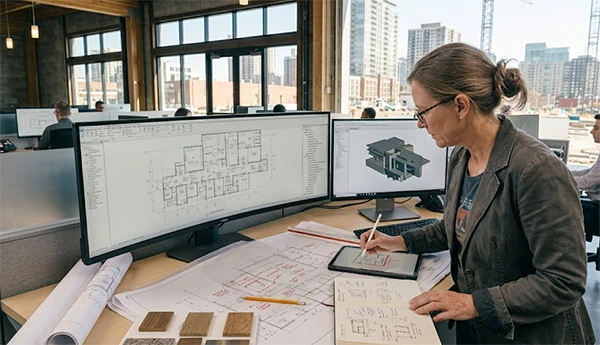
The answer to “What is Architecture?” isn’t very straightforward. Architecture, by word, means two different things at the same time. It refers to the beauty, aesthetic, or appearance of the building, as well as to the entire structure itself. Most architectural creations are influenced by the culture, climate, and beliefs of the native people in a particular place.
This field in construction is not just a science that can be learnt and practiced. But it is also an art that can be sharpened with creativity, imagination, and practice. It has three major components, namely functionality, technicality, and aesthetics. In other words, it is all about making a structure as functional, durable, and beautiful as possible. An architect crafts an owned space in such a way that it suits the project owner’s needs best.
Do you know?
Rayburn House Office Building Washington is one of the genuine masterpieces of architecture in the modern era.
History of Architecture
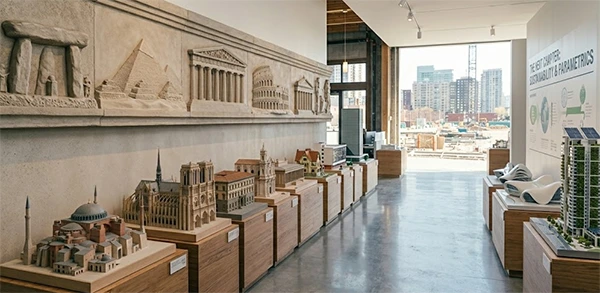
Consider the historical timeline of architecture at a glance after learning “What is Architecture?” in brief. By the way, the vast scale of time can be summed up into Ancient, Medieval, Renaissance, and Modern Architecture. Consider the key highlights below.
- Prehistoric Architecture (11,600 BCE to 3,500 BCE): It includes the Stonehenge, cliff dwellings in the Americas, & other thatch and mud structures, almost deteriorated with time.
- Egyptian Architecture (3,500 BCE to 900 AD): All the construction designs and structures present during ancient Egypt mark this era. It spanned over two thousand years before running its course.
- Classical Architecture (850 AD to 476 AD): All the structures and buildings constructed on the principles of Greek and Roman architectural ideologies are counted here.
- Early Christian (373 AD to 500 AD): It includes early Christian and Paleochristian artwork and its reflection on their developmental pursuits.
- Romanesque Architecture (500 AD to 1200 AD): It marks an era of the medieval European architectural style characterized by semi-circular arches.
- Gothic Architecture (1100 AD to 1450 AD): This time period characterized pointed architecture. It was prevalent in European regions from the late 12th to the 16th century.
- Renaissance Architecture (1400 AD to 1600 AD): It represents European architecture between the early 14th and early 16th centuries. This trend affected different regions in the area.
- Baroque Architecture (1600 AD to 1830 AD): This period is known to denote the theatrical style of building. This trend originated in Italy around the 17th century.
- Rococo Architecture (1650 AD to 1790 AD): All the buildings during this period exhibit a unique ornamental, flamboyant, and very detailed style of architecture.
Other aspects of this historical timeline are as follows.
- American Colonial (1600 AD to 1780 AD)
- Georgian Architecture (1720 AD to 1800 AD)
- Neo-Classical (1730 AD to 1925 AD)
- Greek Revival (1790 AD to 1850 AD)
- Victorian Architecture (1840 AD to 1900 AD)
- Art Nouveau (1890 AD to 1940 AD)
- Beaux Architecture (1895 AD to 1925 AD)
- Neo-Gothic (1905 AD to 1930 AD)
Old residential construction used to be more palatial and roomy compared to modern, small, and compact apartments.
Also Read: Construction Safety Checklist: A Brief Walking Through OSHA-Supported Safety Guidelines!
Types of Architecture
Residential architecture, commercial architecture, landscape architecture, interior architecture, and industrial architecture are five major types. These are explained briefly below. Our discussion on “What is architecture?” is incomplete without touching upon them.
Residential Architecture
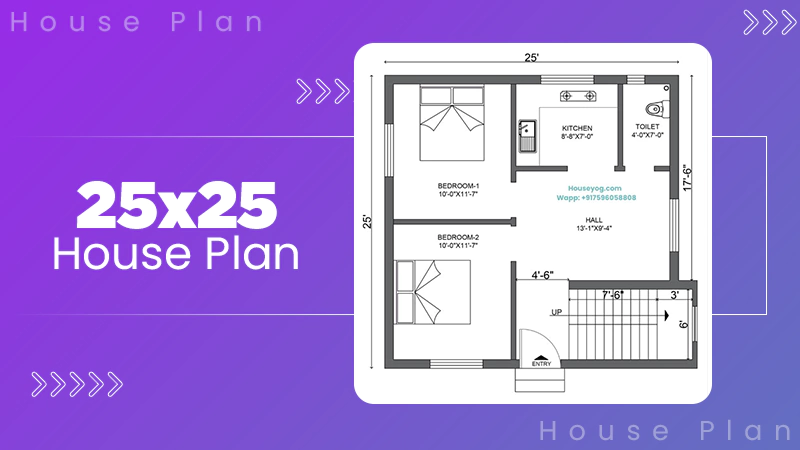
This form of architecture is concerned with making comfortable and beautiful residential units. The goal is to create roomy, functional, durable, and aesthetic buildings. An architect, here, often draws on their own experience and creativity, along with keeping the needs of the project owner in mind. Major examples include homes, apartments, villas, split level houses, and other types of houses.
Commercial Architecture
Offices, malls, hotels, etc., all come in this category of construction. What is an enterprise architect does is not only build residential units, but all construction types of commercial nature as well. The biggest construction companies in the US typically aim for such projects. This work holds more money than building individual houses.
A commercial building isn’t built for living, but for making businesses. That is why it requires a totally different architectural approach.
Landscape Architecture
In the field of landscaping, “What do architects do?” is primarily concerned with making the landscape or outdoor areas more functional and beautiful. Majorly, nature and concrete structures are mixed together to maximise appearance. Designing parks and public gardens is a typical example of this work.
Interior Architecture
These architecture professionals work on the functionality and aesthetics of the interiors. They can design the interior of any given space as per the client’s needs and wants. With an interior architect, you can make the most out of a building’s internal aspects, whether small or big. Interior architecture isn’t a field in isolation but something that flourishes in collaboration with other architectural experts.
Industrial Architecture
This is the field where an architect is concerned with designing and building large industrial spaces, such as factories, manufacturing units, warehouse facilities, etc. All the structures under industrial architecture are designed with a lot of internal space and outlets for proper ventilation. That is because such buildings accommodate a plethora of workers inside at once.
Also Read: Architectural Shingles vs 3 Tab Shingles: Which Roofing Option is Better in 2026?
The Key Elements of Architecture
The major elements of architecture are form, space, light, material, texture, color, and scale. An architect takes all of them into consideration and tries to bring the best out of each building project. It is also included in our discussion about “What is Architecture?”
- Form: It is related to the overall shape and look of the structure. The architect explores key aspects such as mass, volume, and silhouette.
- Space: The area within and around the structure of a building is also very crucial. Typically, rooms, corridors, and outdoor areas are also included.
- Light: Proper lighting within the walled structure is what dictates the entire interior appeal. Sufficient natural light considerably affects the mood, atmosphere, and overall spirit of a building from the inside.
- Material: Concrete, wood, steel, brick, roofing articles, scaffolding, etc., all compose the building blocks of development activities. Without them, no construction can take place.
- Texture: The surface value or the textile qualities of materials are also utilized by architects to exhibit the best of their creativity.
- Color: This is an indispensable aspect of designing the best out of a project. The professionally picked color combinations can make a large area look small, and a small area look large.
- Scale: The length of the building or striking the right proportion among different parts of the building is also key. Wrong calculations can blow the entire structure out of proportion here.
What Does an Architect Do?
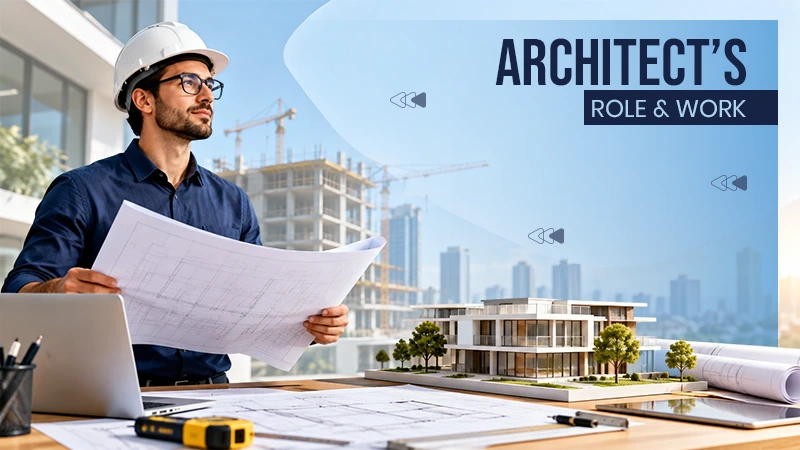
Let’s understand “What does an architect do?” in the light of the following 5 things. In short, it includes meetings with clients, hiring the right team, preparing documents, visiting construction sites, and marketing & self education.
- Meetings with clients: All the projects that architects land only come out of meaningful meetings with project owners. That is the primary part of an architect’s job. Clients could be a couple looking for a house, a real estate agent building a residential community, or even businessmen requiring bigger offices or corporate structures.
- Hiring the right team: An architect dictates how a project is to be built. That means he is the directing force in a construction process. That is why architects are often asked to select the right team of professionals by owners or even managers. Who knows better than the person who designed the building as to who to pick for a particular task and who not?
- Preparing documents: It is a very intensive process in which an architect creates a design of the final build. It helps the client get an idea of what they should expect from the architect. Such documents are instructions for contractors to execute what is already in the architect’s mind.
- Visiting construction sites: During their work, architects can also explore the site of the construction for a variety of considerations. They might have to check the feasibility of their drafts. To communicate the construction plans better with the team as well, multiple visits can be scheduled.
- Marketing & self-education: No profession exists without a constant growth mindset and self-marketing. Thus, these two aspects are also an inseparable part of architecture.
Do you know?
An architect’s job also depends on the type of architect you are. There are several types of them, such as landscape architect, green architect, industrial architect, and restoration architect, etc.
Importance of Architecture in Daily Life
The importance of architecture is multifaceted in daily life. And, as we are delving deep into “What is Architecture?”, exploring this side is crucial too. Benefits of architecture include a better lifestyle, high comfort, high safety, enhanced functionality, cultural significance, climate suitability, and economic value.
- Better lifestyle: Architects create homes or buildings that better suit your needs and wants. That means it leads to an enhancement in the way you live your life inside the structure.
- High comfort: The purpose of architecture is to make the most out of a given buildable space. For example, if you need an en-suite between two bedrooms, that will be provided. You can enjoy a highly functional and comfortable house or office interior.
- High safety: Architects make sure that the functionality of a structure builds on its inner strength. That is why they use the most durable materials to build the foundational aspect of each building. ICF construction is also very common for ensuring sound insulation and energy efficiency here for walls.
- Enhanced functionality: The main job of an architect is to see how a given space can be turned into a highly useful place. That can even be done for a highly compact area, given that you are consulting a well-qualified professional.
- Cultural significance: Architecture also represents cultural value while shaping a region’s landscape through working on various construction projects. For example, in a place like the USA, most houses are well-designed and lavish, accounting for all the major facilities, such as rooms, a kitchen, bathrooms, front gardens, etc. But, in a congested place like Tokyo, architecture mostly focuses on how to make a very tiny area into a minimally habitable place. Thus, architecture encapsulates culture as an integral part.
- Climate suitability: Architectural principles also focus on how to make a building well-suited to the climate of the region. That is why in the highly precipitation area, mostly there are sloped-roof houses. But in the dry regions, houses are flat.
- Economic value: An appealing architectural design of a house always secures the highest sale value among low-key builds. Over time, the appreciation value of this property also accelerates.
Modern Architecture & Trends
The dynamics of “What is Architecture?” are going to be changed forever with the following modern trends. Major revelations are expected from domains such as BIM, AI, adaptive reuse, generative design, and sustainability.
- BIM or Building Information Modeling: It helps visualise the outcomes through 3D modeling and find major faults well in advance.
- AI or Artificial Intelligence: Professionals enjoy higher automation capabilities, so you focus less on repetitive tasks and more on creativity.
- Adaptive Reuse: Architects are now focusing more on how to give a creative bend to the existing structure rather than working anew after demolitions.
- Generative design: This technology helps architects learn how creative they can get on a project. Generative intelligence helps them visualize the same space in a variety of ways. Many types of feasible design elements are analyzed from different angles.
- Sustainability: Now, builders are focusing more on making structures highly eco-friendly and minimalistic in their construction. So, the property lasts a long period of time, and the carbon footprint of the owners also reduces.
Also Read: 43 Heavy Equipment Names, Types, Uses, and Applications in Construction & Other Activities
Architecture vs Civil Engineering
The key differences between these two professionals can be made out from the following table. It draws a differentiation based on scope, involvement, overlapping, site visits, supervision, and education.
| Difference Points | Architecture | Civil Engineering |
| Scope | Buildings | Projects of all sorts, including transit, water, or other types of systems, etc. |
| Involvement | More deeply in the pre-construction phases | Overseeing all phases of construction work directly |
| Overlapping | Minute | Most roles and principles of architecture included |
| Site visits | Fewer | More |
| Supervision | Lower | Higher till the completion of a particular structure |
| Education | A bachelor’s degree + state licensure | Requires more advanced degrees for senior positions |
This table takes the idea of “What is Architecture?” further, so that you know what sets these two overlapping fields of work apart!
How to Become an Architect?
Becoming an architect is a simple process. You just have to complete a few simple steps if you are capable and willing to build your career in this direction. Briefly, it involves earning a degree, completing the apprenticeship, passing the technical exam, and getting licensed.
- Earn a degree: If you want to be a professional and state-authorized licensed worker, you have to earn your formal education. You can go for the Bachelor of Architecture (B.Arch), Master of Architecture (M.Arch), and Doctor of Architecture (D.Arch). 👉 Make sure your institution is accredited by the National Architectural Accrediting Board (NAAB).
- Complete the apprenticeship: Once your formal education is complete, you will have to attend the Architectural Experience Program (AXP). This is the practical training requirement before becoming a licensed architect.
- Pass the technical exam: After all that, there is only one thing left between you and your licence. And, it is the final knowledge testing exam. Now, you need to clear the Architect Registration Exam (ARE).
- Get licensed: At this stage, register yourself with a state, and then you become licensed in due course. The registration process varies from state to state. For more information, you will have to go deep into the details of the provisions applicable within the state where you want to practice.
So, that is all you need after understanding “What is an enterprise architect?” if you want to be one yourself in real life.
Conclusion
So, “What is Architecture?” has been thoroughly taken up in this article for a deep analysis. Now, you must have got an idea of what they are and what they do. Even the surface-level understanding is enough if you are an absolute beginner. Furthermore, if you are planning to become an architect yourself someday, make sure you focus more on your math and physics skills. These are the two most required capabilities in the field of design and development.
FAQs
Q: What is architecture in simple words?
Q: What are the three main types of architecture?
Ans: Taking architecture as referring to the aesthetics or styles of building, there are three main types. These are Classical, Gothic, and Modern in brief.
Q: What exactly does an architect do?
Ans: They are concerned with making a space most appealing by visual but functional by build.
Related Posts