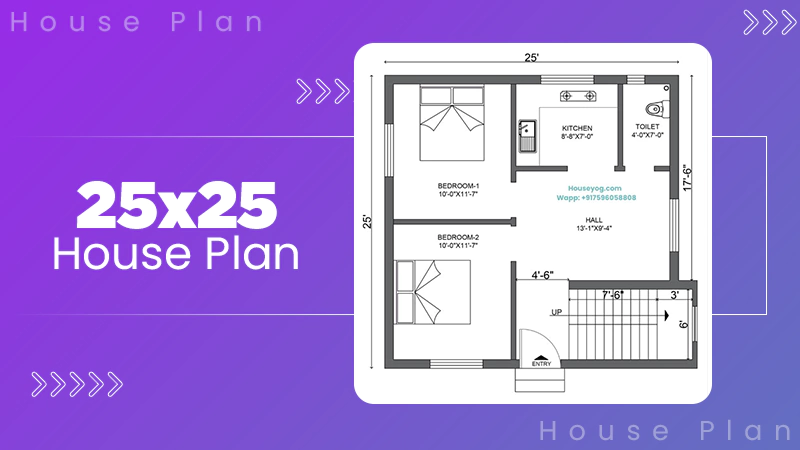
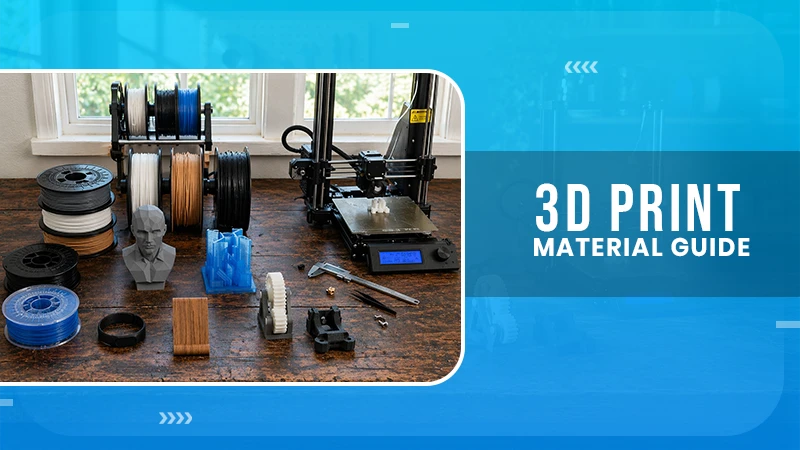
An architect creates designs, drafts, and blueprints for construction projects. They collaborates with engineers and contractors to follow the safety and security standards throughout the project.

What Does an Architect Do? Roles, Responsibilities, and Their Importance in Construction
“What does an architect do?”
An architect is a trained professional who not only draws the blueprints of construction projects but also oversees construction planning and creates functional, safe, and aesthetic structures. From understanding the client’s needs, discussing plans with contractors and construction workers, and coordinating with engineers to ensure the structures are safe and secure by complying with building safety codes.
Architects are creative and technical problem solvers; they possess analytical skills to align well with each step and process of the construction design. In this detailed article, we will get to know about the roles and responsibilities of architects, their importance, and how they work in different stages of the construction process.
Table of Contents:
- What Do Architects Do?
- What Are the Main Roles and Responsibilities of an Architect?
- What Do Architects Do During Different Stages of Construction?
- What Is the Difference Between an Architect and a Contractor?
- What Types of Projects Do Architects Work On?
- How Architects Work With Construction Companies
- When Should You Hire an Architect?
- Frequently Asked Questions
- Conclusion
What Do Architects Do?

What does an architect do? An architect is a licensed and trained professional registered with a local governing body who is authorized to plan blueprints, design and oversee construction projects, and make developmental changes when needed. Any construction worker or builder cannot be called an architect. To be a certified architect, one needs professional training and a valid architectural degree.
Architects work closely with engineers, contractors, stakeholders, construction workers, builders, and most importantly, their clients to get their respective expert guidance and help in smoothly executing and completing the construction project.
What Are the Main Roles and Responsibilities of an Architect?
Architects are the designers and minds behind the skyscrapers and construction projects that we admire. They create detailed drawings, presentations, roadmaps, and blueprints by carefully complying with legal, financial, corporate, construction, and safety laws. Below are some of the main roles and responsibilities of an architect that tell us what an architect does.
Understanding Client Requirements

nderstanding client requirements is an important part of what does an architect do. The first role of an architect is to discuss and understand the client’s needs, such as the type of construction project, budget, and timeframe in which the project needs to be completed. Numerous meetings are held between architects and clients to discuss plans and understand the project goals.
Developing Building Concepts
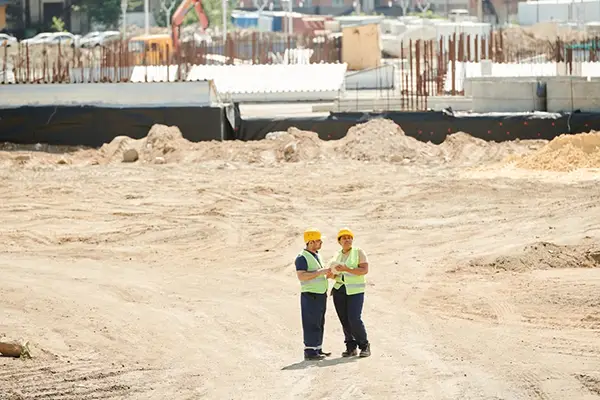
A good building concept is one that considers every important detail. As part of what does an architect do, architects first review the layout, inspect the site, and check the climate, boundaries, land, and other relevant factors. Then, they plan the space according to the information collected from the client and the site location.
Creating Architectural Drawings and Plans
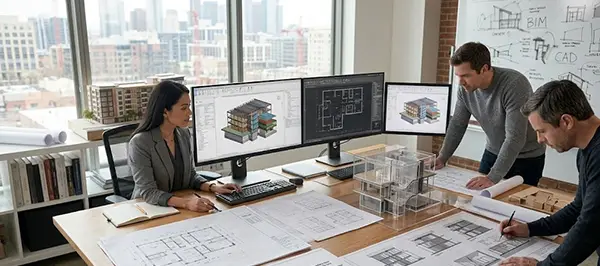
This is the phase where the artistic skills of an architect are used. They creates and draws the complete plan of the project by considering fully structured floor plans, number of elevations, sections, or partitions, construction designs, and digital and 3D models of the buildings using BIM (Building Information Modeling) and CAD (Computer-Aided Design) software.
Coordinating With Engineers and Contractors
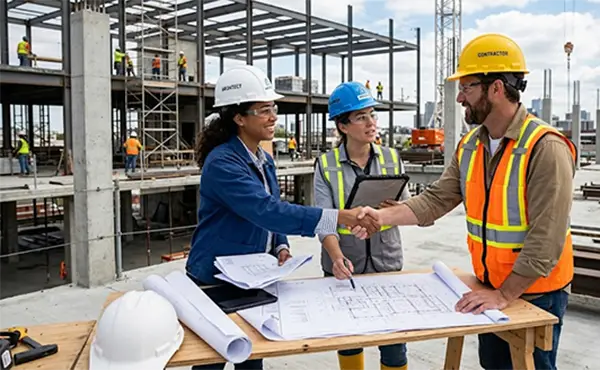
One of the key aspects of what does an architect do is coordinating with engineers and contractors throughout the construction process. Architects work with these professionals to turn their design concepts into safe, functional, and sustainable structures. Engineers provide expertise in structural design and help coordinate electrical and HVAC systems, while contractors manage labor, source construction materials, and execute the work according to the approved plans.
Helping With Building Regulations and Permits

An architect knows the building codes and how structures should be built; they ensure they meet the structural requirements, fire safety standards, and energy-efficiency requirements. They also ensure zoning law compliance and how the site can be used legally and then obtain permits from permitting agencies by streamlining the paperwork process.
Selecting Materials and Finishes

After planning, selecting the right materials is another important part of what does an architect do. Architects choose suitable and sustainable materials for flooring, doors, windows, and interior and exterior finishes. These materials can improve the building’s durability, appearance, functionality, and overall sustainability. Five common materials used in high-tech architecture include:
- Steel: For its strength and hardness.
- Aluminum: Lightweight, corrosion-resistant.
- Glass: For openness and flow of light.
- Concrete: For strength and as the base of the foundation.
- Wood/Timber: For flooring, framing, and finishes.
Supporting Construction and Site Progress
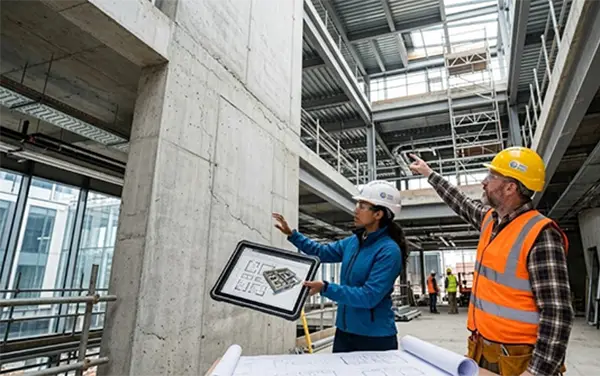
Architects not only provide the plans, but they also review the whole construction progress, address design-related issues, and check every stage of construction to review any changes to be made. They also coordinate with the contractors from time to time when there is a need for any discussions and implementations.
What Do Architects Do During Different Stages of Construction?
Homeowners hire architects for their expertise and guidance throughout construction projects. what an architect does can vary depending on the stage of the project. During the planning stage, architects inspect the site, prepare drawings, develop design concepts, make efficient use of available space, support zoning and permit requirements, and help oversee construction progress. The table below provides a brief overview of the role architects play at each stage of a construction project.
| Project Stage | Architect’s Role |
| Initial planning | Understand client needs, analyze the site, and check the condition of the soil, drainage system, and local building regulations. |
| Concept Design | Making layouts, sketches, floor plans, and elevations. |
| Design development | Programming and deciding construction materials. |
| Documentation | Putting all planning, drawings, and processes on paper to get permits from authorized agencies. |
| Approvals | Support permits and regulatory requirements. |
| Construction | The contractor executes the project according to the architect’s plan. Architects oversee the project for smooth execution and any necessary changes. |
| Completion | Review the final output and check for any mistakes. |
What Is the Difference Between an Architect and a Contractor?
While an architect is responsible for making designs, plans, and blueprints and getting the permits to adhere to the building codes and regulations, contractors are hired by the clients to execute the construction work according to the blueprints prepared by the architects. Architects and contractors both work closely on a construction project to coordinate on different stages of the project, taking each other’s advice on design changes, construction materials, plumbing, insulation, and meeting regulatory standards.
Architects and contractors share responsibilities to successfully execute and complete a construction project according to the client’s needs. Understanding what does an architect do also means recognizing how architects contribute alongside contractors throughout the project. Their collaboration helps coordinate design, materials, construction work, and necessary changes, allowing both professionals to support each other at different stages of construction.
What Types of Projects Do Architects Work On?
Architects are highly qualified professionals, but not every architect has expertise in every field. There are various domains in construction projects on which architects work. According to their specialization, architects work on residential projects, commercial buildings, offices, retail spaces, hospitals, schools, industrial facilities, and public infrastructure.
1. Residential Projects
For residential projects, architects deal with single-family, multi-family homes, luxury residences, and affordable houses. Single-family homes are easier to design, but multi-family houses have multi-unit layouts that require adherence to privacy and FAR (Floor Area Ratio) in apartments and societies.
In luxury residences, they plan for open layouts, wine bars, home theaters, gym areas, etc., and ensure the installation of automatic safety systems in addition to the HVAC systems.
2. Commercial Buildings
Architects working on commercial projects design malls, retail stores, offices, hotels, high-rise towers, and similar buildings. Understanding what does an architect do in commercial construction involves creating specialized layouts, following public accessibility requirements, and planning space efficiently. Architects also focus on HVAC installation for energy efficiency and select eco-friendly construction materials to support sustainable building practices.
3. Government and Civic Projects
This is a vast field, with a number of structures that can be built, such as government buildings, museums and art galleries, libraries, sports complexes and stadiums, theatres, and community centers. These spaces are designed in large areas while dealing with large contractors. Architects design and ensure circulation flow, light exposure management, integrating security systems, etc.
4. Healthcare Projects
In the healthcare industry, architects design medical offices, hospitals, operating theaters, wards, nursing homes, clinics, trauma centers, etc. They deal with the error-free installation of HVAC systems, oxygen cylinders, power backup, ventilation systems, and high-powered machines to maintain the workflow of the medical staff with proper patient care.
5. Industrial Projects
For industrial projects, architects design warehouses, power plants, data centers, solar farms, refineries, etc. They design blueprints that accommodate electrical distribution, airflow, and server rooms in data centers. For every project, they ensure streamline workflow by making space for energy storage rooms, good infrastructure, and roofing plans to accommodate heavy machinery and equipment.
How Architects Work With Construction Companies
Construction companies provide full execution of construction projects on a contract basis by managing the materials and utilities that will be used in the project. Some construction companies provide site design and planning, but professional architects are always hired by the clients for more precision and a successful outcome. The architects and construction companies collaborate during:
- Site Planning: They conduct topographical surveys to check terrain and elevation and geotechnical investigations using multiple scientific tests to understand the location and soil stability. Also ensure proper site boundary demarcation.
- Design coordination: All the information about the design is centralized; structural layouts of different models are converted into a single unified model using BIM (Building Information Modelling) software, clashes are detected, issues are resolved, and proper documentation is done.
- MEP building: The term MEP stands for Mechanical, Electrical, and Plumbing. According to the architects, planning construction companies’ electrical appliances, fire systems, and plumbing pipes, and ensuring the safety of the people.
- Construction management: After all the planning, construction companies hire contractors and divide the work into various phases, deploy equipment where needed, and execute the work according to the architect’s plan. This highlights what does an architect do during construction, as the architect’s plans and design decisions help guide the execution of the project.
When Should You Hire an Architect?
An architect has education, learning, and experience that they uses to design. While, as a homeowner, you might not be able to see the bigger picture, an architect can help you with proper site analysis, drafts, and drawings, and resource management with the perfect utilization of the space. Below are some of the reasons that tell us what an architect does and why you should hire an architect.
- New Construction: If you are clueless about the design of your dream home, architects can guide you and help with the best layouts, floor plans, efficient space utilization, and location zoning permits.
- Large-scale renovations: Architects refine and use the latest technologies that comply with modern living standards. They design methodologies that can modify large existing structures without damaging their original model.
- Commercial Development: Business spaces are large; to design the structures, they need to equip heavy systems, software, and safety appliances, and need customized blueprints to accommodate the workflow. Architects, adhering to legal compliance, manage the whole drafting and documentation process.
- Cost Effectiveness: Architects, being highly knowledgeable, always suggest and guide you on the best material, resources that suit you best and fit in you budget, which prevents you from future inconvenience and regret.
- Professional Behavior: Architects maintain professional behavior throughout the whole project, have good communication skills, do the work with full honesty, and complete every task within the time limit.
Frequently Asked Questions
What does an architect do every day?
What is the difference between an architect and a civil engineer?
An architect focuses on aesthetics and creating drawings using various architectural design tools, and a civil engineer focuses on the safety and integrity of the building and meets the technical needs of the building, like integrating electrical and plumbing systems into the structure.
Do you need an architect to build a house?
You might not need an architect to build a small house, but if you are planning a luxury house or a multi-story building, then you may consider an architect to meet the structural and planning needs by complying with the safety and security codes of that area.
Conclusion
Wrapping up! In the above detailed article, we studied what an architect does, what the roles and responsibilities of architects are, and how they work in different stages of construction projects. An architect is a trained professional who makes designs, drawings, and structures for construction projects by complying with safety codes. He/she coordinates with contractors and engineers to meet the technical needs and execute the construction project successfully. If you also want to build your own house and are confused about the design and floor plan, then you should consider hiring a professional architect who can manage all the design and drafting to give your house an aesthetic feel and look.
Sources:
Houzz: What does an architect do?
Related Posts