Ans: AI assists in the visualisation process by showing how specific design choices would look in the home and whether they would suit or match what we are going for.

How to Visualise Your Home Renovation Before Spending Money (Using AI Tools)
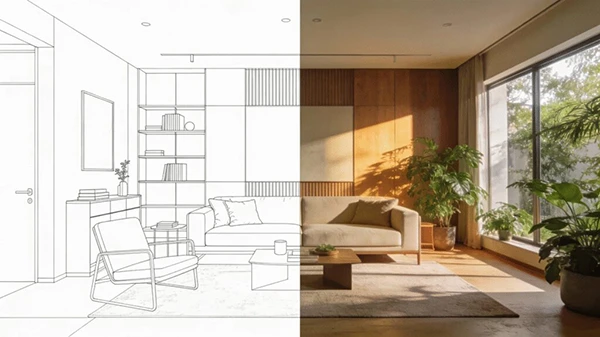
Renovating a home can be tough, as it involves considering layouts, colour palettes, functionality, and the family’s needs. On top of that, the person planning all this must estimate and guess what could work and fit in their new setup.
This creates a lot of uncertainty, which may even lead to wrong decisions, thereby affecting the whole look of the house. This is why modern homeowners use AI tools to visualise their renovation ideas before moving on with the finalisation.
Let’s understand how this can be made possible for your home and what advantages it actually offers.
Key Takeaways
- Many homeowners guess the designs and estimate if they would look good in their house
- Visualisation gives us a look at how the selected choices would actually appear in our own surroundings.
- AI tools help individuals visualise styles and materials, and allow them to compare different choices
- They improve confidence, as the homeowner gets a real idea of how the chosen design fits in the setup
Table of Contents:
- I Stopped Guessing and Started Seeing
- Why Visualisation Matters More Than You Think
- How AI Tools Changed My Approach
- Step-by-Step: How I Visualise a Renovation Now
- What I Learned From Using AI Before Renovating
- Why Hanodecor Stands Out
- The Biggest Advantage: Confidence
- Where This Is Heading
- Final Thoughts
- FAQs
I Stopped Guessing and Started Seeing
I used to approach home renovation exactly the same as most people do, scrolling through Pinterest, saving random interesting photos, and trying to imagine what everything would appear like in my own space.
This did feel exciting at first, but when it came to making real decisions, I realised something was wrong: I was guessing.
I couldn’t clearly see how a new kitchen layout would actually fit my room. I wasn’t sure if a bathroom tile style would look modern or just out of place. And once money gets involved, guessing becomes risky.
That’s when I started exploring AI tools for home design. Instead of imagining stuff, I could actually see the addition before spending a single dollar.
Tools like Hanodecor completely changed how I approached renovation, turning uncertainty into something visual and clear.
Why Visualisation Matters More Than You Think
Before I started using AI tools, I underestimated how important visualisation really is. I thought having a “good idea” was enough.
It wasn’t.
When you’re renovating, small decisions add up quickly. Cabinet colours, tile choices, lighting, spacing, everything affects the final look, and without visualising anything, it’s easy to end up with something that doesn’t feel right.
From my experience, the biggest problems people face are:
- Misjudging how colours work in their actual space
- Choosing styles that don’t match the room layout
- Regretting expensive decisions after installation
Visualisation solves that. Instead of depending on your imagination, get a realistic preview of your room with the chosen design.
How AI Tools Changed My Approach
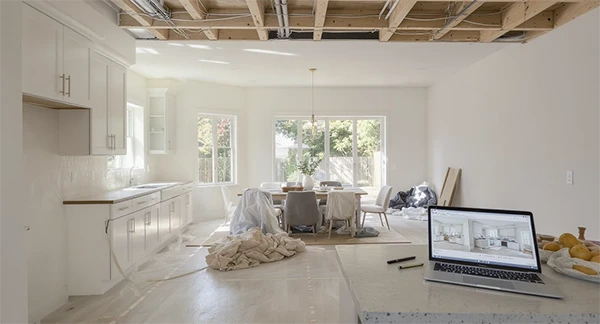
The first time I used an AI remodel tool, I realised how outdated the traditional process felt.
Instead of:
- Looking at sample photos
- Trying to match them to my home
- Hoping it would turn out right
I could:
- Upload a photo of my actual room
- Apply different styles instantly
- Compare options side by side
It wasn’t just faster—it was more accurate.
With Hanodecor, I didn’t need design experience. The tool handled the heavy lifting, generating multiple design ideas based on my space. What used to take hours—or even days—was done in minutes.
Step-by-Step: How I Visualise a Renovation Now
The process is surprisingly simple, and that’s what makes it so effective.
1. I Take a Photo of My Space
It begins with a real image. Whether it’s the kitchen, bathroom, or living area, I just take a clear photo.
This is extremely important as everything that follows is based on the actual layout, not just a generic template.
2. I Upload It to the Tool
Once I upload the image, the AI begins analysing the space. It recognises walls, floors, fixtures, and layout elements.
I don’t have to map anything manually. It’s all automatic.
3. I Choose a Style
This is where it gets interesting.
Instead of committing to one idea, I can explore multiple styles:
- Modern
- Minimalist
- Classic
- Luxury
- Scandinavian
I usually test many options, even ones I wouldn’t normally consider. Sometimes the unexpected designs turn out to be the best choice.
4. I Generate Instant Previews
Within seconds, I get realistic visuals of my room redesigned in different styles.
This is the part that changed everything for me.
Instead of imagining how a renovation might look, I can see:
- Colour combinations in my space
- Layout adjustments
- Material finishes
It removes the guesswork completely.
5. I Compare and Refine
What I like most is being able to compare options side by side.
I can quickly decide:
- Which design feels right
- Which elements work best
- What I want to change
This makes decision-making faster and more confident.
Fun Fact
AI can create photorealistic, 3D environments that allow you to “walk through” your future home via VR headsets before work begins.
What I Learned From Using AI Before Renovating
After using AI tools for some projects, I started noticing a few patterns.
First, what looks good in inspiration pictures doesn’t always align in real life. Lighting, room size, and layout dictate everything.
Second, seeing multiple variations helps you avoid tunnel vision. Before, I would fixate on one idea. Now, I explore several directions before deciding.
Third, it saves money—not directly, but by preventing mistakes. Changing your mind after installation is expensive. Getting it right the first time isn’t.
Why Hanodecor Stands Out
There are a lot of tools out there, but what stood out to me with Hanodecor is how practical it feels.
It’s not just about generating nice-looking designs. It’s about making decisions easier.
The platform focuses on:
- Real room transformation
- Fast rendering
- Easy-to-understand visuals
I didn’t feel confused when using it because it felt like a natural part of the renovation process, not something too complicated or technical to understand.
The Biggest Advantage: Confidence
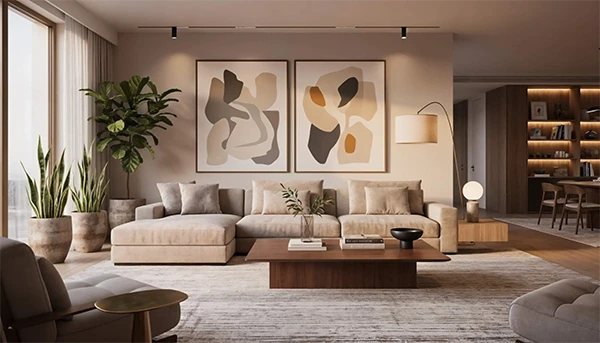
If there’s one that changed, it’s confidence.
Usually, I would second-guess all decisions:
“Will this look good?”
“Did I choose the right style?”
“What if it doesn’t match?”
Now, I already know what the outcome would look like before I even begin.
That confidence changes things considerably, especially when you’re investing time and money into a renovation.
Where This Is Heading
After using AI tools like this, it’s hard to imagine going back to the old way.
I can see a future where:
- Every renovation starts with a visual preview
- Designers use AI to present ideas faster
- Homeowners make decisions with clarity instead of guesswork
This isn’t just a trend; it’s a huge shift in how people approach home designs.
Final Thoughts
From my experience, the biggest mistake in renovation is finalising decisions without seeing the full picture.
AI tools solve that.
They take something abstract—ideas, inspiration, guesses—and turn it into something real and visible.
Using Hanodecor, I didn’t just plan a renovation. I saw it before it happened.
And once you experience that, you won’t want to go back to guessing.
FAQs
Q1) How does AI help in renovation?
Q2) What are the biggest problems people face while renovating?
Ans: The following are the problems homeowners face while renovating:
- Misjudging how colours work in their actual space
- Choosing styles that don’t match the room layout
- Regretting expensive decisions after installation
Q3) What does the AI platform focus on?
Ans: It focuses on:
- Real room transformation
- Fast rendering
- Easy-to-understand visuals
Q4) Is it easy to use?
Ans: Yes, the interface is very beginner-friendly and is easy enough for anyone to start using directly, without needing to look for guides or any tutorials.
Related Posts