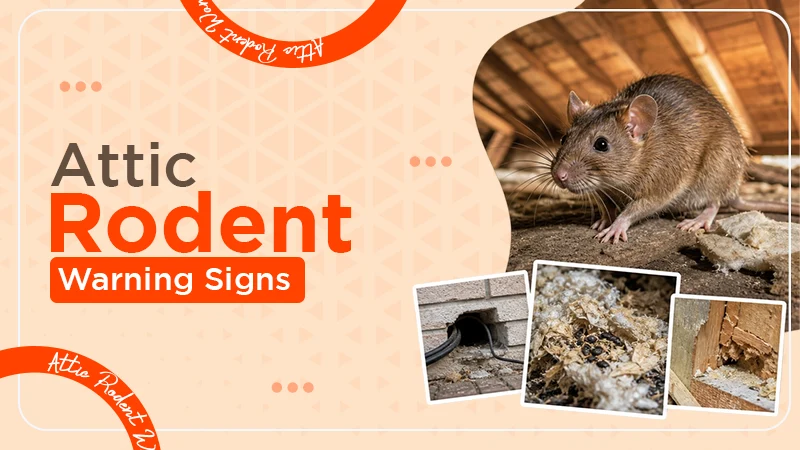
Because in every area, they just want three essential things – food, shelter and water.

What Restaurant Pest Problems Can Teach Homeowners
Many homeowners think that pest issues that often happen in the house are because of the dirt present. But in reality, they are also living organisms and so follow the same pattern as we do. They prefer staying at a place where they find three necessities – food, water and shelter.
That’s why the restaurant pest issues give string lesson. While they operate on a larger scale, things happen in the same condition. Exploring the condition of the restaurant can help to effectively prevent pest growth at home.
Read this post to explore lessons taught through restaurant pest problems.
Key Takeaways
- Most pest growth is a result of small bad habits, such as not storing the food properly, not sanitary failures.
- When found, moisture attracts pests as much as the food does, making leaks the most important warning signal.
- Making a few but effective changes in the routine is much better than waiting for an infestation to happen and then acting.
Table of Contents:
Why Restaurants Matter
Restaurants get monitored because food, water, and hiding spots can quickly grow into pest magnets. That leaves them a useful example for homeowners. Many of the same warning signals show up at home, just on a smaller scale.
A useful conclusion is that homeowners can learn from restaurant inspection failures when it comes to prevention. Failed inspections often signal to things like poor sanitation, standing water, and easy access points. Those are not novel commercial-only problems.
If your kitchen has sticky cabinet corners, a leaky pipe, or open cereal boxes, pests read that like a welcome sign. The advice is simple. Infestations usually result from regular habits, not extreme disasters. When you view your home like a place that needs regular checks, you catch small problems before they start rushing in like they own the deed.
Pests Love Easy Meals
Pests are greedy. They want calories with very little effort. A few crumbs under the toaster or a loosely closed bag of pet food can be enough to keep them excited.
Think about the areas you clean less often. Under the fridge. Behind the trash can. The shelf where onions and potatoes sit a little too long. These spots collect food bits, grease, and moisture. For ants and roaches, that’s basically dinner and a movie.
Pantry habits matter too. Dry goods in thin cardboard or ripped plastic are easy targets. It helps to move flour, cereal, pasta, and snacks into tight containers. The same goes for pet treats and birdseed.
You don’t need a clean museum kitchen. You just need to remove the easy wins. Wipe counters at night, sweep around eating areas, and avoid keeping dirty dishes till morning. Midnight snacks are fun when you’re human. They’re less attractive when six-legged guests join in.
Moisture Makes It Worse
Food gets most of the credit, but water is often the real VIP pass for pests. Roaches, silverfish, ants, and rodents all need moisture. If your home has wet spots, they may stay around even when food is limited.
Start with under-sink cabinets and bathrooms. A slow drip from a pipe can create a hidden damp zone for weeks. Basements can also stay humid without you sensing it, especially in warmer months. Laundry rooms, water heater closets, and areas near old windows should get a look, too.
Outside, choked gutters and poor drainage can push moisture toward your base. That can pull pests closer before they find a way in. Wet mulch placed right over the house is another hidden problem.
You don’t need to panic over every water spot. Just treat periodic dampness like a maintenance issue, not a cosmetic one. Fix leaks, use exhaust fans, and consider a dehumidifier where the air feels muggy. A dry home is less cozy for pests, which is really the point.
Entry Points Add Up
Most pests do not need a giant hole in the wall. Tiny gaps do the job just fine. Mice can slide through openings that seem way too small, and insects need even less space.
Check the bottom of exterior doors first. If daylight comes through, that’s a clue. Window screens, dryer vents, and areas where pipes or cables enter the house are also common danger spots. Attics and rooflines matter more than many people think, especially if you’ve had weather wear or aging edges.
Garages are another weak point. The big door may close, but the sides can still offer enough room for insects and small rodents to get in. Weather stripping helps more than people imagine.
A good rule is to stop thinking only about neatness. A clean house with easy routes can still have a pest problem. Seal cracks, repair torn screens, and pay attention to little gaps before they become open signals. Pests are great at finding cracks. You don’t want your house to be their favored technicality.
Storage Habits Help
How you store things can either trim pest problems or subtly support them. Clutter gives pests places to hide, breed, and move around without being caught.
Start with food storage, then go beyond the kitchen. Paper grocery bags, cardboard boxes, and old newspapers can create cozy nesting material. In garages and basements, items loaded directly on the floor are harder to find and easier for pests to use as cover.
Use bins with lids for seasonal decor, pet supplies, and bulk pantry items. Keep stored goods a little off the floor when possible. Under-sink cabinets should rest as simple as you can manage. If they become a mess of cleaners, sponges, and half-used rolls of paper towels, pests get shelter with a side of moisture.
You don’t have to become an artist wizard. The goal is visibility. When storage is clean, you notice droppings, chew marks, or odd smells much faster. Pests love being left out. Neat storage makes it that much harder for them.
Cleaning With Purpose
Cleaning works best when it aims at pest hot spots, not just visible mess. A shiny counter is nice, but pests often gather where nobody visits.
Focus on crumbs under appliances, grease near the stove, sticky spills in drawers, and substance around trash bins. Drains also deserve monitoring. They can hold organic growth that attracts insects, especially in kitchens and utility rooms.
Outdoor spaces find out too. If you eat on a patio or keep a grill nearby, clean food drips and empty grease trays. Don’t let trash lids stay loose, and avoid putting pet bowls outside overnight.
This is not about scrubbing every inch daily. It’s about doing small, smart tasks on a regular plan. Pick a few hidden zones each week and rotate through them. That plan is easier to maintain and usually more effective than yearly marathon cleaning sessions. Pests love inconsistency. A little routine can overturn their whole business plan.
When to Call for Help
Sometimes prevention is enough. Sometimes pests have already set in and need a stronger response. The tough part is knowing when a simple DIY effort has stopped being practical.
If you keep seeing filth, gnaw marks, shed skins, nest material, or repeat sightings after cleaning and sealing, that’s a sign the issue is active. Strange smells in the walls, fraying sounds at night, or recurring ants in the same area also suggest a deeper problem.
At that point, professional help can save time and prevent damage. Waiting too long often means a larger infestation, more repairs, and more stress. It’s not a failure to call someone. It’s maintenance, just like correcting a roof leak before the ceiling caves in.
The best pest plan is simple. Remove food, reduce moisture, block entry, and stay alert. That plan won’t make your home invisible to pests, but it can make it far less popular. And in the pest world, boring is beautiful.
Conclusion
Keeping the pests completely away from the home is not about making a perfect home, but it is about removing the things and the environmental conditions to keep pests and other insects away. This gets achieved more easily with small habits. Habits like storing food properly, fixing leaks and reducing the clutter make a strong impact.
In the end, these small but effective habits are not just helpful to keep the pests away but also to avoid other insects in unfavourable conditions.
FAQs
Why do homes and restaurants face the same pest issues?
What most attracts the pests?
Pet food, standing water, leaks and other easy entry points easily help pests to come and grow.
Can a clean house still face pest issues?
Yes, it is not a rule. Every home, even the clean ones have the possibility that pests can enter through moisture.
Related Posts