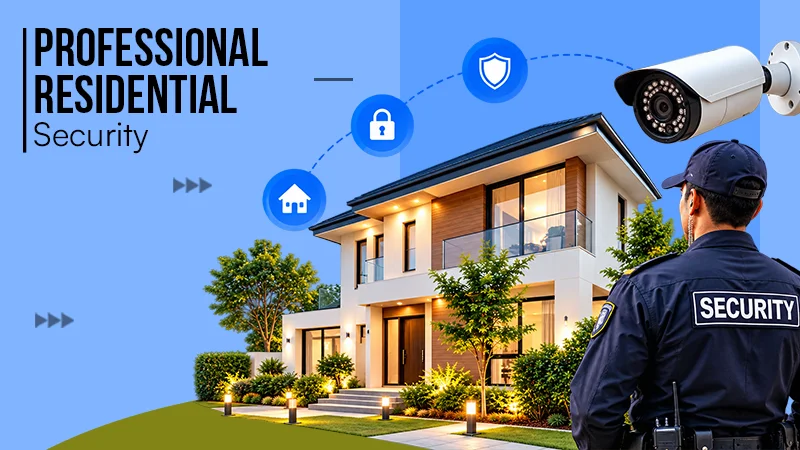
Homeowners do not need extensive landscaping to benefit from outdoor living. Simple additions such as seating areas, plants, or shaded spaces can make outdoor environments more inviting.

Key Factors That Contribute to a Better Living Environment
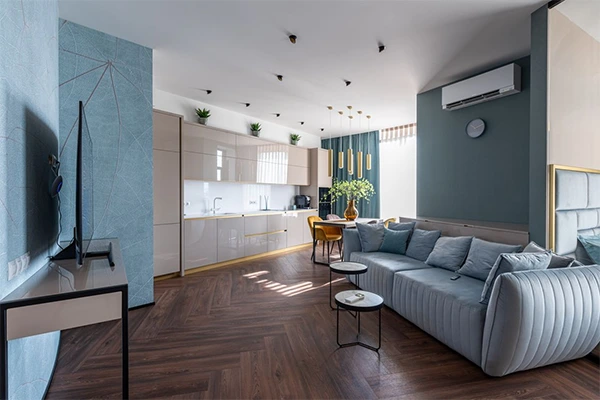
A better living environment is about more than just having a place to live. It involves creating a space that enhances comfort, safety, health, and everyday convenience. The condition of a home has the power to also influences how people feel, work, and relax.
Modern lifestyles place greater demands on residential places as homes are expected to accommodate all changing needs throughout the year, while also ensuring easier maintenance, less energy use, and increasing overall functionality. When homeowners pay attention to all aspects of their property, they tend to create surroundings that enable a higher quality of life.
This article discusses such factors and how homeowners can make informed decisions that enhance both daily living and long-term property value.
Key Takeaways
- Regular inspections and maintenance help preserve the durability of exterior features and reduce the risk of unexpected problems
- Homeowners can improve indoor conditions by replacing air filters regularly, managing humidity levels, and ensuring that ventilation systems function properly
- Basic safety measures, such as functioning smoke detectors, secure locks, and well-maintained walkways, help reduce common household risks
- Thoughtful layouts allow residents to move comfortably between rooms while making the most of available space.
Table of Contents:
Durable and Well-Maintained Home Exteriors
The exterior of a home plays a critical role in protecting the interior environment. Roofing, siding, doors, and windows work together to shield the property from changing weather conditions while supporting overall comfort. Because these components are constantly exposed to the elements, they naturally experience wear over time. If that wear is not addressed, it can affect both the appearance and performance of the home.
Regular inspections and maintenance help preserve the durability of exterior features and reduce the risk of unexpected problems. Among these features, windows deserve special attention because they influence insulation, energy efficiency, and indoor comfort. As windows age, they may develop issues such as drafts, moisture intrusion, or difficulty operating properly. When these signs begin to appear, partnering with an experienced window company can help homeowners identify effective solutions that improve performance and protect the home’s exterior. Taking action at the right time helps prevent minor concerns from becoming costly repairs. As a result, a well-maintained exterior supports structural integrity, enhances comfort, and contributes to a better living environment throughout the year.
Indoor Comfort and Air Quality
Indoor comfort depends on several factors, including temperature control, ventilation, and lighting. A well-ventilated home allows fresh air to circulate while reducing the buildup of indoor pollutants. Proper airflow can improve overall comfort and create a healthier atmosphere. At the same time, natural light can make living spaces feel brighter and more inviting while supporting daily productivity and well-being.
Air quality also plays a significant role in maintaining a healthy home environment. Dust, moisture, and poor ventilation can contribute to discomfort and potential health concerns. Homeowners can improve indoor conditions by replacing air filters regularly, managing humidity levels, and ensuring that ventilation systems function properly. Attention to these details helps create a living space that feels comfortable throughout the year while supporting the health of everyone who lives there.
Safety and Security Measures
A safe home provides peace of mind and supports a better quality of life. Basic safety measures such as functioning smoke detectors, secure locks, and well-maintained walkways help reduce common household risks. Regular inspections can reveal potential hazards that may otherwise go unnoticed. Addressing these concerns promptly helps create a more secure environment for family members and visitors alike.
Security is another important aspect of a better living environment. Well-maintained entry points, adequate outdoor lighting, and durable exterior features can help protect a property from unwanted access. Homeowners who invest in preventive measures often feel more confident about the safety of their living space. By combining practical safety precautions with reliable security practices, it becomes possible to create a home that supports both comfort and long-term peace of mind.
Energy Efficiency and Sustainability
Energy efficiency contributes to a more comfortable home while helping reduce utility expenses. Homes that use energy wisely often maintain more consistent indoor temperatures throughout the year. Simple improvements such as upgrading insulation, sealing gaps, and using energy-efficient lighting can have a noticeable impact on daily comfort.
Sustainability also supports a better living environment by reducing unnecessary resource consumption. Homeowners can adopt practical habits such as conserving water, choosing durable materials, and using appliances that consume less energy. These small changes can add up over time and support both environmental responsibility and long-term cost savings.
Functional and Well-Designed Living Spaces
A functional home makes everyday tasks easier and more enjoyable. Thoughtful layouts allow residents to move comfortably between rooms while making the most of available space. Furniture placement, storage solutions, and room organization all influence how efficiently a home operates.
Many homeowners find it easier to manage daily responsibilities when they organize their home around their specific needs and routines. Creating designated areas for work, relaxation, and household activities can improve productivity while reducing clutter. A well-designed living space balances comfort, convenience, and practicality without feeling overcrowded.
Connection to Nature and Outdoor Living
Access to outdoor spaces can positively influence daily well-being. Whether it is a backyard, patio, or garden area, spending time outdoors provides opportunities for relaxation and recreation. Natural surroundings can also create a more pleasant atmosphere around the home.
Homeowners do not need extensive landscaping to benefit from outdoor living. Simple additions such as seating areas, plants, or shaded spaces can make outdoor environments more inviting. These improvements encourage greater use of exterior spaces and help create a stronger connection between indoor comfort and outdoor enjoyment.
Cleanliness and Regular Home Maintenance
A clean and well-maintained home creates a more pleasant living experience. Regular cleaning helps reduce dust, allergens, and clutter that can negatively affect comfort and well-being. It also makes daily activities easier by creating organized spaces that are easier to use and maintain. Small habits, such as keeping surfaces clean and addressing minor issues promptly, can make a noticeable difference over time.
Maintenance is equally important because it helps prevent larger and more expensive problems. Routine inspections can identify signs of wear before they become serious concerns. Whether it involves repairing damaged materials, checking for leaks, or maintaining exterior features, proactive care helps preserve the condition of the property. Consistent upkeep not only extends the lifespan of various home components but also contributes to a safer and more comfortable environment for everyone in the household.
FAQs
How can homeowners improve the outdoor spaces of their homes?
Why are routine inspections beneficial?
Routine inspections can identify signs of wear before they become serious concerns. Whether it involves repairing damaged materials or maintaining exterior features, proactive care helps preserve the condition of the property.
How can one make their home energy efficient?
Homeowners can adopt practical habits such as conserving water, choosing durable materials, and using appliances that consume less energy. These small changes support both environmental responsibility and long-term cost savings.
Why is the security of the home important?
A safe home provides peace of mind and supports a better quality of life. Basic safety measures such as functioning smoke detectors, secure locks, and well-maintained walkways help reduce common household risks.
Related Posts