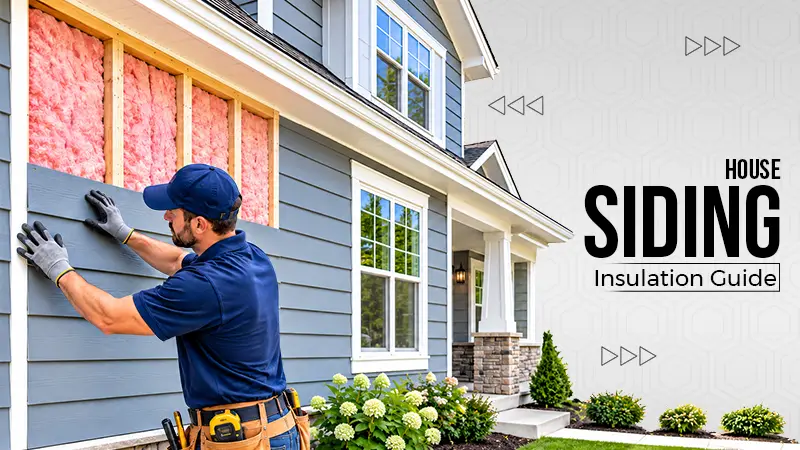
Insulation protects your home from different weather conditions while preserving its visual impact and providing a better living experience throughout the year.

Why Proper Insulation Matters When Installing New House Siding
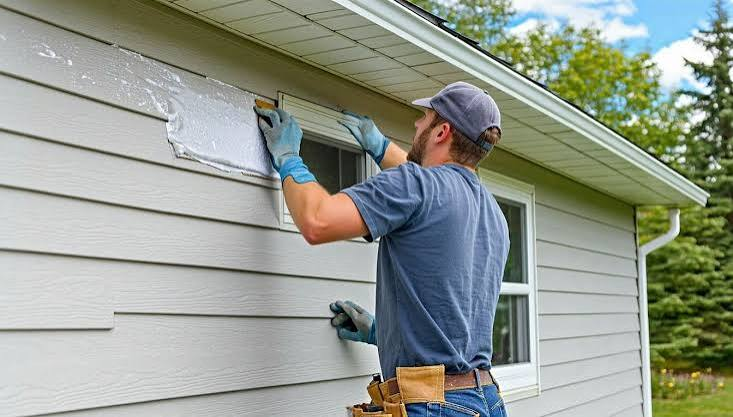
New retrofit insulation for metal buildings can give your home a fresh look and help protect it from rain, wind, snow, and other harsh weather. But the insulation behind it deserves just as much attention.
If the insulation is old, damaged, or poorly fitted, new siding alone will not solve issues like cold rooms, drafts, or high heating bills. This is especially important in places like Ontario, where homes need to handle winters and changing temperatures for the whole year.
Here is why the two insulation upgrades work so well together and what homeowners should know before the work starts.
Table of Contents:
- Insulation Helps Keep Indoor Temperatures Steady
- New Siding Creates a Chance to Check the Walls
- The Right Insulation Works With the Siding
- Moisture Protection Is Just as Important
- Better Insulation Can Help Reduce Energy Costs
- Plan the Whole Exterior Upgrade Before Work Begins
- Conclusion
- Frequently Asked Questions
Insulation Helps Keep Indoor Temperatures Steady
Your home’s walls work as a barrier between the indoor space and the weather outside. When there is not enough insulation, heat can escape through the walls during winter. In summer, outdoor heat can also make it harder to keep rooms cool.
This can leave some rooms feeling cold even when the heating is running. You may also notice that your furnace or air conditioner has to work hard to keep the home at a cozy temperature.
Natural Resources Canada explains that exterior walls can account for about 20% of a home’s heat loss. That is a better reason to check the insulation when replacing old siding. Adding the right insulation can slow heat transfer through the walls. This may help reduce energy use and make indoor temperatures more comfortable from room to room.
New Siding Creates a Chance to Check the Walls
When siding is removed, the layers beneath it become easier to inspect. This provides the contractor a chance to look for problems that may have been hidden for years.
For example, the old siding may have covered areas with damaged insulation, gaps, signs of water entry, or worn building wrap. If these problems are ignored, they can affect the performance of the new exterior.
Before new materials go up, the wall should be checked for:
- Damaged insulation: Wet, compressed, or worn insulation may have to be replaced.
- Air leaks: Gaps around windows, doors, pipes, and other openings can let indoor air escape.
- Moisture damage: Signs of rot or mold need to be addressed before the wall is covered again.
- Weak or uneven surfaces: The wall should be sound enough to support the new siding system.
Taking care of these problems first helps prevent old problems from being sealed behind a fresh exterior.
The Right Insulation Works With the Siding
There are several ways to improve wall insulation during a siding project. One option is to install rigid foam board over the wall before the new siding goes on. Depending on the home, other types of insulation may also be suitable.
The best choice relies on the wall’s current condition, the space available, local building rules, and the type of siding being installed. Insulation should fit properly, with no large gaps that allow heat to move through the wall.
When planning siding installation for homes, homeowners also get a chance to improve the layers beneath the exterior. Before the new panels go up, a contractor can verify the damaged insulation, air leaks, and signs of moisture. Fixing these issues first helps the new siding do its job while making the home more comfortable.
It is also important to remember that siding itself is not a replacement for wall insulation. Some insulated siding products provide extra thermal protection, but their insulating value may be limited. A separate insulation layer may provide a better result, depending on the home.
Moisture Protection Is Just as Important
Insulation helps control heat loss, but the wall also needs a way to manage water, as part of the home inspection checklist. Rain and melting snow can get behind siding through small gaps or joints. If moisture becomes trapped, it may lead to mold, wood rot, or damage to the wall.
That is why proper installation requires more than insulation boards and new siding panels. A suitable weather barrier and drainage space can help direct water away from the structure.
The contractor should also pay close attention to areas around windows, doors, roof edges, and outside corners. These spots demand careful sealing and flashing to help keep water from entering.
Good airflow and drainage behind the siding can also help the wall dry if a small amount of moisture gets in. The goal is to protect the home while allowing the exterior system to manage water in the right way.
Better Insulation Can Help Reduce Energy Costs
When a home loses less heat in winter and gains less unwanted heat in summer, the heating and cooling systems may not need to work as hard. This can help lower energy use over time.
The real savings depend on several things, including the home’s age, current insulation, air leaks, windows, and heating system. A new insulation layer will not fix every source of energy loss, but it can enhance one important part of the home’s outer shell.
There may also be a comfort benefit that homeowners notice every day. Bedrooms above garages, rooms with outside-facing walls, and spaces near older windows may feel less chilly once drafts and insulation gaps are addressed.
Plan the Whole Exterior Upgrade Before Work Begins
A siding project is a better time to look at the home’s exterior as one connected system. The roof, walls, windows, soffits, fascia, and gutters all play a part in protecting the structure.
Before work starts, ask the contractor to explain the planned insulation, moisture barrier, and drainage details. It is also worth asking whether the existing wall requires repairs and how the new materials will fit around windows and doors.
A clear plan helps avoid rushed decisions once the old siding has been removed. It also offers you a better idea of what the project will involve and why each step is needed.
Conclusion
New siding can enhance the look of your home and shield it from the weather, but the layers behind it help determine how well the exterior performs. Proper insulation can support better indoor comfort, reduce heat loss, and help control energy use.
By checking the walls and planning insulation before installation, you can make the most of the project. The outcome is an exterior that looks good while helping your home stay comfortable through the seasons.
Frequently Asked Questions
- Why is insulation important?
Insulation protects your home from different weather conditions while preserving its visual impact and providing a better living experience throughout the year.
- How does better insulation save money?
Better insulation leads to less use of heaters and air conditioners, as insulation regulates the temperature and provides a comfortable temperature inside the house.
- Can insulation replace siding?
No, insulation works best with siding. Neither siding alone nor insulation alone will provide the comfortable atmosphere that they both provide together.
Why is insulation important?
How does better insulation save money?
Better insulation leads to less use of heaters and air conditioners, as insulation regulates the temperature and provides a comfortable temperature inside the house.
Can insulation replace siding?
No, insulation works best with siding. Neither siding alone nor insulation alone will provide the comfortable atmosphere that they both provide together.
Related Posts