Home Inspection Checklist: A Complete Guide For Buyers And Sellers
When buying or selling a home, you need to understand how to assess a home’s condition before purchasing or handing it over. That’s how you can avoid unexpected expenses that are going to haunt you later: a detailed home inspection checklist covers everything from plumbing to electrical systems, from roof to interior finishes, and helps you review and identify visible damage or things that require particular attention.
A home inspection list can help you review a home before a professional inspection. That’s how you can make decisions when you are purchasing your first home or prepare your property for sale. A combination of a practical checklist and advice from experts can help you understand the condition, including hidden defects or inaccessible equipment, so you can decide your next steps.
What Is a Home Inspection?
A home inspector visits the property to assess its major structural components, systems, and accessible areas for visible defects, potential safety issues, and components that may need repair or further evaluation, covering the roof, foundation, exterior walls, windows, doors, electrical system, plumbing, heating, and cooling equipment, kitchen, bathrooms, attic, and basement, where accessible, with a written report at the end with everything including descriptions and what parts require repair.
Home Inspection Vs Home Appraisal
Serving different purposes, both have their own value,
where a home inspection covers the physical conditions of the property, helping buyers with the existing defects, maintenance requirements, and potential repair costs.
On the other hand, a home appraisal estimates the market value of the property, taking location, size, condition, comparable property sales, and market conditions into account.
Why Is a Home Inspection Checklist Important?
A home inspection checklist helps buyers, sellers, and owners examine the property in a more structured way without any issues. The following reasons can help you understand why this list helps them:-
Identifies potential safety concerns
Such hazards include faulty wiring, railings that are not tight, malfunctions in alarm systems, among others.
Highlights maintenance issues
A weakening roof, damaged seals, leaky taps, and faulty drainage systems may suggest some maintenance requirements.
Helps estimate future expenses
Detecting old or weakened equipment/building parts can assist you to plan for replacement or maintenance.
Supports informed purchasing decisions
Potential buyers may use the results of the inspection to determine what action to take next.
Helps sellers prepare a property
This will help sellers discover visible issues before marketing their property and help them arrange for repairs and documentation.
Complete Home Inspection Checklist
Have a look at the list made by experts to help you review a property while visiting:-
Exterior Inspection Checklist
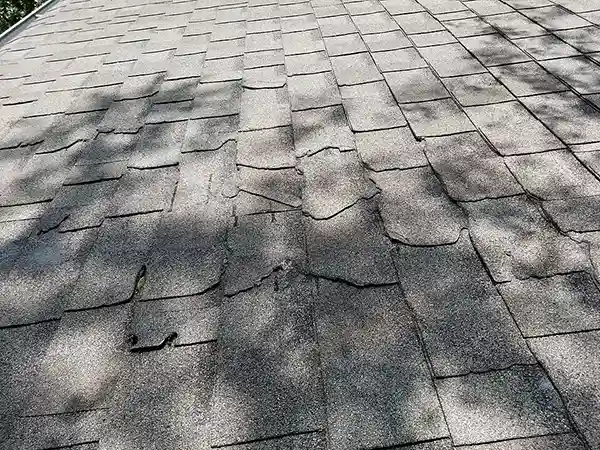
- Roof
- Gutters and downspouts
- Exterior walls and siding
- Foundation
- Drainage
- Driveway and pathways
- Exterior doors
- Decks, balconies, and patios
Interior Inspection Checklist
- Walls
- Ceilings
- Floors
- Windows
- Interior doors
- Water damage
- Ventilation
- Lighting
Structural Components
- Check the foundation surfaces for any visible and substantial cracks or displacement.
- Check for unusual gaps, distorted windows or doors, and sloping floors
- Check whether the support system or framing of the structure is damaged or looks good
- Check if the ceilings are sagging or not and if there are signs of decay in the wood
- Check the retaining walls if there is some kind of bulging, leaning, or significant cracking
- Ask about the previous structural repairs and available documentation
Electrical System Checklist
- Check the switches and accessible outlets carefully
- Check if the outlet covers are broken, or if there are exposed wires, scorch marks, or signs of overheating
- Check for the proper functioning of lights
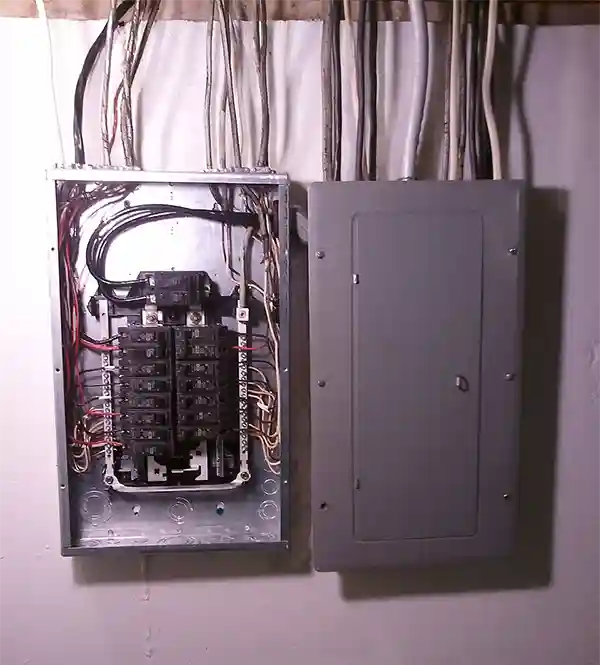
- Check if there is damage, corrosion, or missing covers on the electrical panels
- Check the cables or wiring to see if they are loose or installed poorly
- Check for the permits for the upgrade of the electrical system (if the upgrade happened)
- Get the help of a qualified electrician to check for any unusual installations or any other defects
Plumbing System Checklist
- Faucets
- Drains
- Toilets
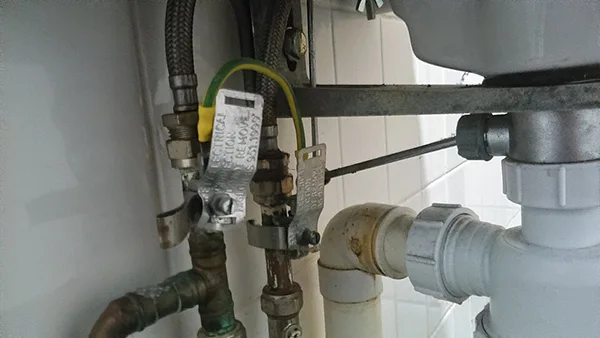
- Visible pipes
- Water pressure
- Water heater
- Under-sink cabinets
- Drainage concerns
HVAC System Checklist
- Check the equipment under the specific weather conditions for heat and cold
- Check the accessible air filters to see if there is any blockage
- Check if the vents are damaged, if there are loose covers, or if airflow is obstructed
- Check the visible equipment for rust, corrosion, or obstructed airflow
- Ask about the history of servicing, ages of the equipment, and previous repairs
- Look for unusual operating noises or odors
Kitchen Inspection Checklist
- Cabinets
- Countertops
- Sink
- Drainage
- Appliances
- Ventilation
- Electrical outlets
- Walls and flooring
Bathroom Inspection Checklist
- Check for leaks or unusual movement after flushing the toilets
- Check faucets, showers, and tubs for water flow and drainage
- Check for loose tiles or damaged grout
- Check for leaks or any moisture damage under the sinks
- Check for peeling paint, staining, or mold-like growth on ceilings and walls
- Check the exhaust fans for ventilation
- Check the accessible showers, doors, fixtures, and seals
- Check for signs of water penetration around wet areas
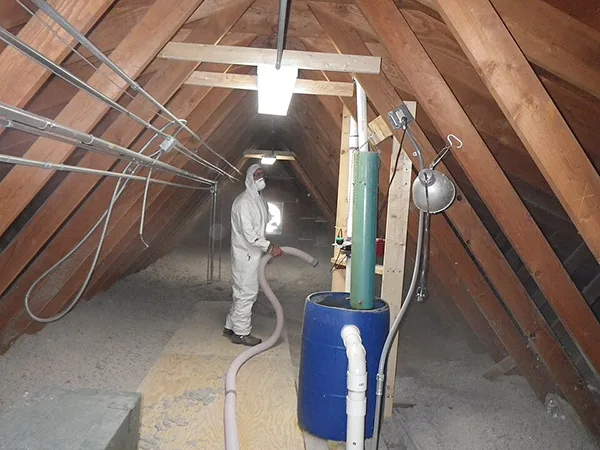
Attic And Basement Inspection Checklist
- Check for visible roof leaks, stains, or damaged framing in the accessible attic areas
- Check for the reasonable distribution of the insulation
- Check if there are blocked vents or signs of poor ventilation
- Check for standing water or musty odors in the basement
- Check for water staining on accessible surfaces
- Check if there is any visible pest activity or droppings, and if damaged wood is visible, which can attract insects
- Using safety procedures, look at any installed sump pump, wherever required
- Ask about the previous flooding, waterproofing, and any work to control moisture
Safety Features Checklist
- Properly functioning smoke alarms
- Carbon monoxide alarms
- Secured handrails and guardrails on stairs, balconies, and elevated areas
- Check for any loose components
- Check for damaged glass, sharp edges, or other visible hazards
- Accessible exits and unobstructed pathways
- Visible fire safety equipment and confirm its maintenance
- Ask if any defects are still unresolved
What to Bring to a Home Inspection
- Printed or digital checklist
- Notebook and pen
- Phone or camera
- Questions for the seller
- Property documents
- Inspection report template
Common Home Inspection Red Flags
Finding anything unusual while inspecting the home is normal; document it, ask the inspector about it, and obtain advice, but you should never ignore the following red flags when inspecting any home:-
Roof leaks or significant roof damage
Any damaged part or missing material is among the roof damage warning signs that can cause a serious problem, so you should ask for an assessment of the condition of the roof.
Significant foundation movement
Consult with a structural engineer for appropriate repairs if you spot any major cracks or uneven flooring.
Persistent moisture or mold-like growth
Identify any leaks, damage, or poor ventilation and address the source to fix it.
Unsafe electrical conditions
Get the help of a qualified electrician to fix any exposed wires, scorch marks, or damaged electrical components.
Plumbing leaks and drainage problems
Repeated blockages, active leaks, sewer odors, or water damage can cause routine issues; get a plumber to inspect and fix them.
Malfunctioning heating or cooling systems
Failed components may get repaired or replaced; consult with an HVAC expert to assess the condition and estimate potential costs.
Should You Hire a Professional Home Inspector?
Absolutely, a personalised walkthrough can help, but instead, a professional home inspector with experience and qualifications can help a lot more through a systematic assessment of major systems and building components.
When an inspection occurs, be available to understand directly from the inspector about the defects and their explanations.
Home Inspection Checklist for Buyers and Sellers
Checklist for buyers
- Review important structural components and essential systems
- Ask about the specific equipment’s age and history of maintenance
- Identify repairs that would need substantial expenditure
- Get the help of an expert assessment for uncertain or serious issues
- Review the inspection report before making decisions about negotiations and deadlines
Checklist for sellers
- Address small problems where possible.
- Look out for leaks, damaged hardware, and deteriorating finishes.
- Ensure that the electrical panels and accessible equipment are easily accessible.
- Make sure that you have documentation for all renovations, servicing, and repair work.
- Sort out any known safety hazards and problems as per legal requirements.
Checklist for condo inspection
The condo inspection checklist should include all aspects of the unit and its accessible parts, such as windows, plumbing fixtures, electrical components, heaters and coolers, as well as water issues if present.
Also ask about the shared building systems, roof maintenance, elevators, exterior walls, common plumbing, and planned assessments from the property manager or condominium association.
Checklist for the condition of rental property
A rental property condition checklist will help to create evidence about the state of the property at move-in, move-out, or during occupation. Make sure that you document the condition of the walls, floors, ceilings, windows, doors, appliances, plumbing fixtures, electrical fixtures, and furniture provided in the property. Take pictures of the damage, and note down the dates on which you make the observations.
Both the landlord and tenant should keep a copy of the record.
Conclusion
A detailed list of things that should be checked before buying a property allows the buyer, seller, landlord, and even the owner of the property to check all the systems present in the property and see what potential problems can arise in the future. The roof, foundation, electrical wiring, plumbing system, heating and cooling systems, and all other elements make up the condition of the whole property. Using the list will help you document your concerns and ask relevant questions. The most important thing is to conduct professional inspections where there are any serious defects.
Related Posts