Floor level, view, facing, condition, levels of noise, tenancy, and even time of sale can affect the value of a property.

Why Identical Units Can Have Different Property Values
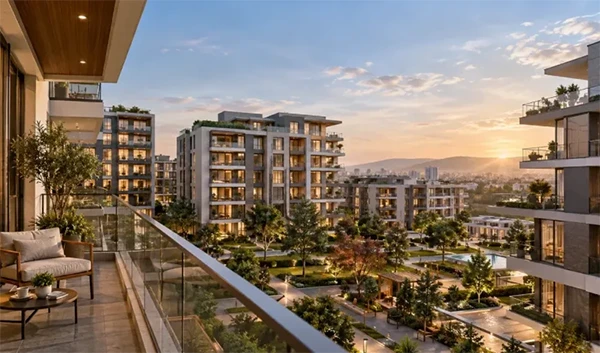
Two properties can seem to have the same layout, size, and developer, but sell at widely varying prices. This may leave potential buyers and sellers wondering what is behind the price difference between two units.
The answer may lie in minor details that are easily overlooked. For instance, the floor level of the property, views from the windows, sun exposure, or renovations made to the property could explain the price difference. Sometimes timing could also play an important part.
Understanding these factors can help you make better decisions when buying, selling, or comparing properties.
Table of Contents:
Floor Level and Vertical Positioning
Higher floors in the same building may be priced differently from lower floors despite having the same design. This is mainly due to issues like view, noise level, and exclusivity brought about by the height.
- Units on higher floors typically have less exposure to street-level noise and obstruction.
- Views can vary significantly between floors, particularly where surrounding structures block lower-level sightlines.
- Some consumers value being on higher floors irrespective of whether they have a good view or not.
This vertical positioning is one of the more consistent factors influencing property value within an otherwise identical stack of units.
Facing, View and Natural Light
Buildings oriented in various directions in the same project can have different natural exposure to sunlight and heat due to their different locations. This would also influence buyer choice regardless of any interior layout modifications. A unit facing a park or open space is generally valued differently from one facing a car park or a neighbouring wall.
- Orientation affects how much direct sunlight a unit receives, which can influence comfort and cooling costs.
- Unobstructed views tend to be valued more highly than views blocked by adjacent buildings.
- Facing a quieter internal courtyard versus a busier external road can also affect buyer preference.
These different mindsets tend to be obvious to a potential buyer right away, making them an observable source of value even when comparing two similar units.
Proximity to Shared Facilities or Sources of Noise
The particular placement of a unit in relation to amenities such as lifts, refuse chutes, and other functional spaces may influence its appeal independent of its internal condition. Proximity to these areas is sometimes seen as convenient and sometimes seen as a drawback, depending on the specific feature.
Units located directly next to a lift lobby or refuse chute, for example, may be perceived as less desirable due to noise or foot traffic, while units set further away are sometimes valued more highly for privacy. This positioning within the development is fixed at the time of purchase and cannot be altered afterwards, making it an enduring element of the value equation.
Unit Condition and Renovation State
Apart from the position of the unit, the real condition of the unit at the time of sale contributes a lot to its valuation as compared to other comparable units around it. A well-maintained or recently renovated unit is generally valued higher than one requiring significant repair or updating.
- The age and condition of fittings, fixtures, and finishes within the unit.
- Whether renovations have been completed to a standard that appeals to a broad range of buyers.
- Any outstanding maintenance issues that would require buyer investment after purchase.
This is unique in comparison to the other factors because it can be managed by the existing owner, unlike the floor level and orientation that are fixed upon purchase.
Tenancy Status and Timing of Sale
Whether a unit is being sold vacant, tenanted, or with a lease in place can also affect its transacted price, independent of the unit’s physical attributes. Vacant unit may provide greater flexibility to a buyer that may even come to terms in price obtained.
Market timing also plays a role, since transactions completed during different periods can reflect different broader market conditions even for otherwise comparable units. This implies that two identical products can have different prices due to factors that do not depend on the units themselves.
How These Factors Combine to Shape Value
All these factors rarely act independently; the actual transacted price of the unit is normally a result of the combined effect of all these factors. This is why comparing two units purely by floor plan can be misleading without accounting for these additional variables.
Understanding the interaction between these factors will provide an even clearer idea of the value of properties within one development rather than treating all of the same floor plans the same.
Wondering why two identical units sold for different prices? Visit CKS Property for a clearer read on what your unit is actually worth.
FAQs
Why should identical properties in a development be at a different price?
Does orientation of the unit matter in valuing the property?
Yes, it does. Orientation will determine factors like exposure to sunlight and noise.
Would it help if you renovated your property to improve resale value?
Yes, well-kept/renovated properties will get you more buyers and better offers, but renovation costs may not always be fully recovered.
What factors might lead to the sale of two identical properties at different prices after a period of months?
There may be many reasons, such as market conditions, interest rates, demand and supply, and buyers’ sentiments.
Related Posts