You should contact a professional as soon as you notice signs such as scratching noises, droppings, foul odors, visible entry points, or animals repeatedly entering your attic, crawl space, or chimney.

Signs You Need Professional Wildlife Removal in the Hills
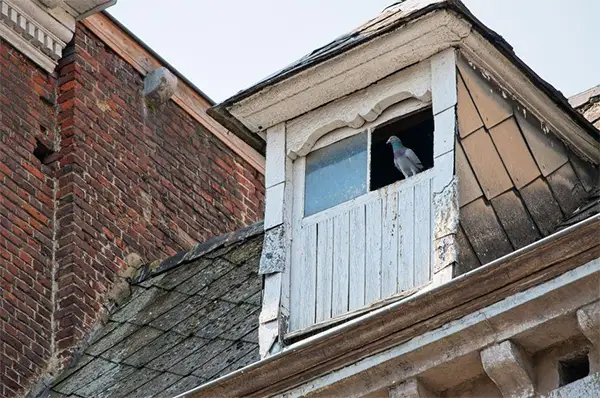
Rodents invade an estimated 21 million U.S. homes every winter, and many other wildlife species seek shelter in attics, crawl spaces, and garages when food or nesting sites become scarce. In the Hills, where wooded landscapes meet residential neighborhoods, these encounters are common.
A squirrel in your backyard isn’t a problem. But hearing scratching in your attic or finding droppings inside your home is. Wildlife intrusions rarely resolve themselves and often become more expensive the longer they’re ignored. Here are the key signs that it’s time to call a professional wildlife removal service before a small nuisance turns into major property damage.
Table of Contents:
- Strange Noises Usually Mean More Than “Just a Critter”
- Droppings, Odors, and Stains Are Red Flags You Shouldn’t Ignore
- Damage Around the Roofline and Foundation Often Points to Entry
- Nesting Season Changes the Risk and the Response
- Pets Acting Weird Can Be an Early Warning System
- What You Should Do Next if You Suspect Wildlife in Your Home
- Conclusion
- FAQs
Strange Noises Usually Mean More Than “Just a Critter”
If you hear scraping, scurrying, chirping, or thumping inside your walls or ceiling, don’t brush it off. Wildlife rarely travels alone, and those sounds often signal nesting, chewing, or movement between entry points.
Noises can also assist you in narrowing down the intruder. Squirrels tend to be active during the day, especially around sunrise and late afternoon. Raccoons usually make more noise at night. Bats may create light scratching or squeaking near dusk when they leave to forage.
That matters because timing affects how removal should happen. You don’t want to block an entry hole while baby animals are still inside. That can lead to dead animals in the walls, more pungent odors, and a much uglier cleanup bill.
If the sounds keep repeating over several days, you’re past the stage of hoping it goes away on its own. At that point, calling a wildlife removal company in Vestavia Hills seems sensible because proper removal usually involves inspection, species identification, exclusion, and cleanup, not just trapping whatever happened to make noise first.
Droppings, Odors, and Stains Are Red Flags You Shouldn’t Ignore
Wilderness leaves receipts. Droppings, urine stains, greasy rub marks, and strong smells are some of the clearest signs that an animal has moved in and gotten comfortable.
Attics and crawl spaces are common hotspots because they’re dark, quiet, and rarely intruded on by people. Raccoons can create concentrated latrine areas. Rodents leave smaller droppings along baseboards, insulation, and storage boxes. Bats often leave guano under roof gaps or entry points.
The health angle merits your attention here. Animal waste can carry bacteria, parasites, and fungal spores. A dusty attic full of droppings is not the place for a casual DIY adventure and a paper mask from the garage. That setup is less “weekend project” and more “bad decision with insulation implicated.”
Odors also linger long after the animal leaves. Urine can soak wood and drywall, while hidden carcasses create serious smell problems during warm weather. If your home has a stale, sour, or ammonia-like odor that won’t quit, wildlife activity should be on your checklist.
Damage Around the Roofline and Foundation Often Points to Entry
It’s really difficult to keep the wilderness away, especially for older homes. Small gaps along the roofline, soffits, vents, chimney caps, and foundation openings can be all it takes for an animal to get inside.
Squirrels and rats can chew through weak building materials. Raccoons are strong enough to rip loose shingles, fascia boards, or vent covers. Even a gap that looks minor from the ground can function like an open invitation when an animal is determined.
You should pay attention to these exterior clues:
– Bent or vandalized vent screens
– Torn soffits or loose flashing
– Shingle damage near roof edges
– Dirt, fur, or smudge marks near openings
– Holes near crawl space vents or foundations
The problem with entry-point damage is that it rarely stays cosmetic. Once an animal gets entry, insulation gets crushed, wiring may be chewed, and moisture issues can follow if protective barriers are compromised.
A professional inspection often finds secondary openings too. That matters because closing one obvious hole while missing three backup routes is the home-maintenance version of playing whack-a-mole.
PRO TIP
Utah Department of Agriculture and Food recommends sealing all ¼ inch square (for mice) and larger holes (for rats) with durable materials.
Nesting Season Changes the Risk and the Response
Wilderness problems get more complicated during breeding and nesting season. Spring and early summer are especially active times for many species in residential areas.
Female raccoons often choose attics or chimneys as den sites because they offer warmth and shelter. Squirrels build nests in insulation. Bats may form maternity colonies in attics, and removing them requires care, timing, and attention to local regulations.
This is one of the biggest reasons DIY removal can go sideways. If young animals are there, the strategy has to change. Separating mothers from babies creates noise, odor, and welfare issues fast. It can also push adult animals into more destructive behavior as they attempt to get back in.
If you notice sudden noise increases, visible nesting material, or repeated animal traffic near one part of your roof, assume there may be a den involved. A smart response focuses on safe expulsion, full inspection, and prevention, not a hardware-store patch job and crossed fingers.
Pets Acting Weird Can Be an Early Warning System
Your pup or cat may notice wildlife before you do. If a pet keeps staring at one wall, pawing at a vent, barking at the ceiling, or refusing to go near a crawl space door, pay attention.
Animals often pick up scent and movement long before people spot visible signs. A dog suddenly fixated on the fireplace could be responding to raccoons in the chimney. A cat staring at the same corner every night might be hearing mice behind the drywall.
Outdoor behavior can shift, too. Pets may become agitated near sheds, decks, or fenced perimeters where snakes, opossums, or skunks are hiding. That creates another layer of concern because not every wildlife encounter ends with a dramatic movie-style standoff. Sometimes it ends with a scratched nose, a spray incident, or an emergency vet visit.
When pet behavior lines up with sounds, smells, or exterior damage, you’ve got enough clues to treat the issue seriously. Wildlife conflicts usually don’t improve with time. They expand, breed, chew, and leave a mess behind.
What You Should Do Next if You Suspect Wildlife in Your Home
Once you reckon wildlife activity, your goal is to confirm the issue without making it worse. Don’t seal holes immediately, don’t corner the animal, and don’t set random traps unless you know exactly what species you’re dealing with.
Begin with a basic observation checklist:
– Note when noises happen
– Look for droppings or tracks
– Inspect attic vents, soffits, and roof edges from outside
– Watch for repeat movement at dawn or dusk
– Keep kids and pets away from suspected access points
Then proceed quickly. Delays often mean more damage, larger nests, and bigger cleanup needs. In some cases, wildlife can create fire hazards by chewing wires or clogging ventilation paths.
Conclusion
Professional assistance is less about panic and more about precision. A thorough removal plan usually includes identifying the animal, removing it humanely, locating entry points, sealing access, and addressing contamination or nesting debris.
If you live in a hilly area, where wooded lots and suburban homes sit close together, these problems are not unusual. Staying alert, acting early, and getting the right kind of help can save you from a small wildlife issue turning into a full-blown attic takeover.
FAQs
When to call a professional wildlife removal service?
Is it safe to remove wildlife from my home myself?
DIY wildlife removal is generally not recommended, as many animals can carry diseases, become aggressive when cornered, or leave behind young animals during nesting season.
What animals commonly invade homes in the hills?
The most common wildlife intruders include raccoons, squirrels, bats, snakes, rats, mice, opossums, and occasionally birds.
Related Posts