Planning helps homeowners establish the project’s scope, budget, timeline, materials, and priorities before construction begins.

How Proper Planning and Coordination Keep Home Renovation Projects on Track
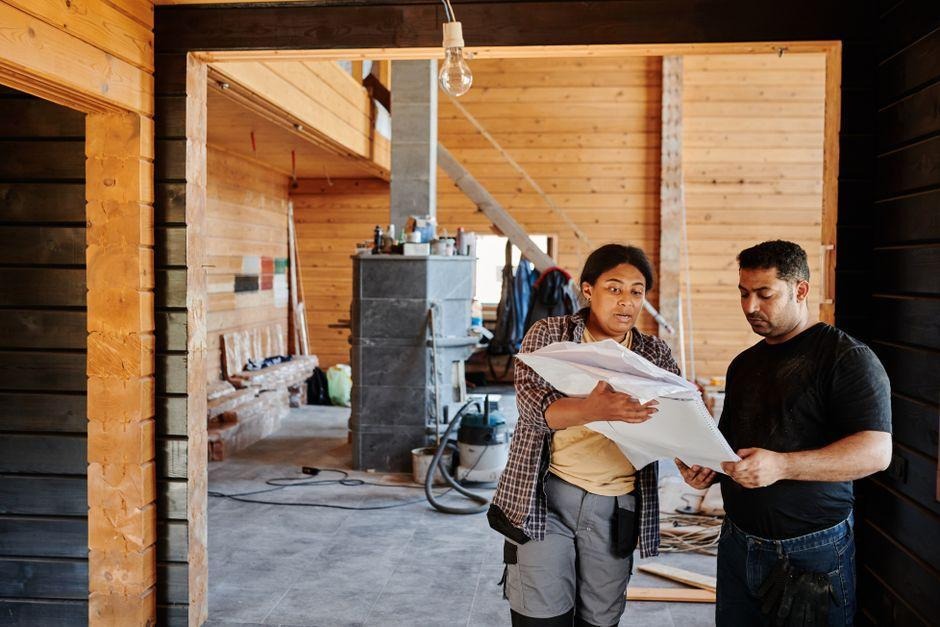
“Plans are worthless, but planning is everything.” – Dwight D. Eisenhower (Ex-US Prez)
Renovating a home is pretty simple: make a plan, hire the right people, and watch the work take shape. Right? No. In reality, even a well-funded project can lose time and money when decisions, trades, deliveries, permits, and inspections fall out of sync.
In home renovations, a finished kitchen, added bedroom, or expanded living space may be the goal, but careful planning and coordination are what get a project there. When everyone knows what needs to happen, when it needs to happen, and who is responsible, costly delays and avoidable confusion become much easier to prevent.
Table of Contents:
- Why the People Running the Work Decide the Outcome
- Planning Begins Long Before Anyone Picks Up a Tool
- A Realistic Schedule Keeps Everyone Moving Together
- Early Decisions Prevent Expensive Second Thoughts
- Approvals and Inspections Need Their Own Attention
- Budgets Hold When Surprises Are Expected
- Living in the House While the Work Goes On
- The Last Ten Percent Deserves the Most Discipline
- FAQs
Why the People Running the Work Decide the Outcome
Large projects losing track isn’t usually the fault of individual workers, but of there being nobody to see the project as a big picture. That’s why choosing a competent renovation contractor matters.
A home addition is one of the most demanding projects a family can take on, and the usual failure is treating it like an ordinary remodel when it is really new construction joined to a house that is already standing and already lived in. It gets easy for homeowners who have a team by their side that treats design, approval, and construction as a coherent process rather than separate tasks. Families who want that kind of continuity tend to start by looking for experienced home addition contractors who stay accountable from the first drawing through the final walkthrough.
Planning Begins Long Before Anyone Picks Up a Tool
The most impactful phase of the renovation is prior to any actual demolition or construction. This is when:
- Measurements are taken
- The existing structure is studied
- The plan is tested against what the house can actually support.
It is unglamorous, and it feels slow, and it is the reason some projects finish early while others stall in the second month.
Proper planning also pulls the hard conversations that may come later:
- What is the actual project goal?
- Which parts matter most if something has to give?
- Where is the line between what the family wants and what the house and the budget will allow?
In the on-paper phase, answering these questions costs nothing. On the other hand, these discussions cost a fortune if pondered upon in a later renovation stage.
A Realistic Schedule Keeps Everyone Moving Together
Once work begins, the schedule becomes the spine of the project:
- Framing needs to be done before rough plumbing and wiring can go in.
- Inspections have to pass before walls close.
- The wall surfaces need to be perfectly prepared before being painted.
Each trade needs the previous one to have finished properly, and each one has other jobs waiting.
Plan a realistic schedule to keep the chain moving. A schedule invented to sound impressive falls apart the first time a delivery is late, and once the sequence slips, the skilled people booked for next week are already somewhere else. Recovering from that is not a matter of days. It often takes weeks.
FUN FACT
As per Wall Street Journal, a renovation now takes 79 days on average, up 259% from 22 days in 2019.
Early Decisions Prevent Expensive Second Thoughts
Before jumping in, renovation seems to be a simple undertaking. After initiating things, it gets overwhelming. Layout, materials, finishes, fixtures, colors, hardware, and lighting all have to be settled, and many of them affect one another in ways that are not obvious at first glance.
It’s wiser to settle all these till the things are on paper itself. Making them late freezes everything, because nothing can move forward until an answer arrives. A well-run project puts the decisions in front of the homeowner in the right order, with enough context to choose confidently, and well before the answer is needed on site.
Approvals and Inspections Need Their Own Attention
Do you know how important moisture testing is before a home renovation? Construction work usually involves many such inspections and permits. And these are not formalities. They have their own timelines, their own requirements, and their own capacity to stop a project cold if the paperwork is incomplete or the work does not match what was submitted.
Competent renovation contractors keep this in mind and build this into the planning itself. They know:
- What has to be filed
- When to file it
- What inspectors will look for
- How to arrange the work so approvals arrive when they are needed rather than weeks afterward
Homeowners who are left to chase this themselves usually discover the problem only when the crew is standing around waiting.
Budgets Hold When Surprises Are Expected
Older houses hide things. Maybe you utilized a poor quality wiring when the house was first built, framing that was modified at some point by someone in a hurry, or moisture where nobody thought to look. These discoveries are normal, and pretending otherwise is how budgets break.
Good budgeting practices keep a buffer for these unknowns. All the changes happen in the planning itself before the work even starts. That way, a surprise becomes a decision the homeowner makes with the numbers in front of them, rather than a line on an invoice they never agreed to.
If you’re short on funds, skipping renovation entirely and selling the house as-is makes sense.
Living in the House While the Work Goes On
Many families rent out while the renovation work goes on, but not all can afford it. And that reality belongs in the plan too. Where the crew enters, how dust is contained, which rooms stay usable, where materials are stored, and what time work starts each morning all shape whether the months ahead feel tolerable.
An experienced team can work seamlessly even with this constraint. They think through this beforehand, tend to protect floors properly, seal off the work zone, and clean at the end of every day. It costs them a little effort. It costs the family a great deal when it is ignored.
The Last Ten Percent Deserves the Most Discipline
Projects rarely fall apart at the beginning. There’s much room to adjust the course of action at the start. They drift at the end, when the space looks finished, and the remaining items are small. A switch plate that was never installed, a door that catches, a strip of trim waiting on one more piece.
It’s a proper plant that differentiates a cleanly completed project from one that lingers indefinitely. A written list of what remains and a firm date for finishing it also affect this equally. That final stretch is the part the homeowner will remember longest, because it is the part they live with. Handled with the same attention as the first day of demolition, it turns a long renovation into something the family is glad they did.
FAQs
Why is planning important before a home renovation?
How does coordination affect a renovation project’s timeline?
Renovation work involves multiple trades that depend on one another. Good coordination keeps their activities in the right sequence and reduces costly downtime between trades.
How can homeowners avoid unexpected renovation costs?
A realistic budget should account for potential surprises, particularly in older homes where hidden structural, electrical, plumbing, or moisture problems may be discovered after work begins.
Related Posts