Good ventilation, air filter replacement, sealing drafts, proper use of the thermostat, and regular HVAC maintenance can help keep you comfortable all year round.

Keep Your Home Comfortable All Year Long

Having a comfortably warm or cool home all year round is about more than just adjusting the temperature with the change of seasons. Things like seasonal effects, ventilation, insulation, and even the state of your HVAC system all factor into how comfortable your home will be.
Through developing some good habits and dealing with minor things while they are still minor, you can have comfortable living year-round in your home.
Table of Contents:
Know Your Comfort Gaps
When you find yourself continually having problems with the temperature of your home, first try identifying any patterns associated with the problem. The bedroom may be stuffy at night while the living room is comfortable, but the kitchen gets tropical every day at noon. These small details can make a big difference.
Sometimes the problem is as simple as poor airflow or a clogged filter. Other times, it points to a system that needs attention. If you live in Northern Virginia, especially around Alexandria, and recurring heating or cooling issues keep affecting your home’s comfort, comparing trusted hvac Alexandria professionals can help identify whether the problem is with your system, airflow, or another underlying issue.
Pay attention to when the issue happens. Is it worse during peak heat, on very cold mornings, or only in certain rooms? A pattern helps you tell the difference between a one-off annoyance and a real home comfort problem. Think of your house like a teammate. It’s trying to tell you something, even if it’s doing it with drafts.
Check Airflow First
Before you assume something major is wrong, take a look at airflow. It’s one of the easiest things to check, and it causes a surprising number of comfort headaches. If air can’t move well, your system has a harder time keeping the whole house balanced.
First of all, pay attention to vents. Don’t let any furniture, like a rug, a couch, toy boxes, or that mysterious chair that is full of clothes, block them. Next thing to check is your air filter. Replace it when it is dusty enough to write your name on it.
Also notice whether doors stay shut most of the day. Closed interior doors can affect circulation, especially in smaller homes or upstairs rooms. Ceiling fans can also improve air circulation, but only if they’re spinning in the correct direction for the season. During warmer months, a counterclockwise rotation creates a cooling breeze, while reversing the direction in winter helps distribute warm air more evenly.
These are small fixes, and it might seem easy, but sometimes your house just needs some extra space.
Use Your Thermostat Smarter
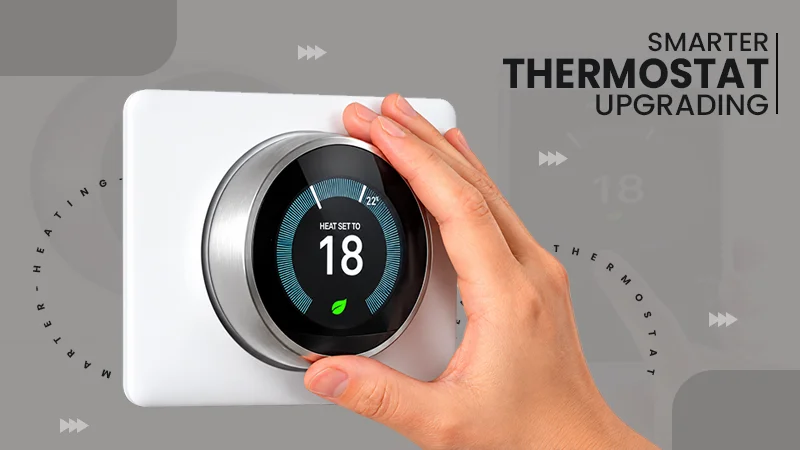
The thermostat is most effective when it is used like a plan and not like a safety measure. If you’re constantly bumping it up and down, your home may feel less stable, not more. A steady schedule usually works better than chasing comfort hour by hour.
You could try setting an appropriate temperature depending on whether you are at home, sleeping, or absent. You will not have to adjust it for each moment to the point that it is just right.
Programmable and smart thermostats can help, but you don’t need fancy tech to improve results. Even basic habits matter. For example:
- Avoid making large temperature adjustments throughout the day, as constant changes force your system to work harder and can reduce overall comfort.
- Don’t turn it way down hoping the house cools faster
- Keep heat-producing lamps or electronics away from the thermostat
That last one matters more than people think. If your thermostat sits near a sunny window or warm appliance, it can get fooled. And a confused thermostat is a little like a confused cook. Something’s getting overdone.
Stop Drafts And Hot Spots
If your house has one part where the temperature never seems quite right, it’s possible that the problem isn’t with your HVAC system at all. Drafts, sunlight, and bad insulation can cause hot and cold spots regardless of how well your system is functioning.
Check windows and doors for obvious gaps. If you can feel air sneaking in, weatherstripping or a draft stopper may help. Heavy curtains can also make a difference in rooms that get blasted by afternoon sun. In summer, sunlight can heat a room fast.
Upstairs spaces often struggle because heat rises. If your attic holds too much heat, the rooms below can feel warmer long after sunset. You may not need a huge project right away, but it’s worth noticing whether insulation or ventilation seems weak.
For renters, peel-and-stick weather seal and thermal curtains are great solutions. For homeowners, sealing projects are relatively easy and inexpensive ways to increase comfort. Tiny gaps may seem harmless, but they add up like socks disappearing in the dryer.
Don’t Ignore Maintenance
Routine maintenance isn’t exciting; it’s as boring as brushing one’s teeth. However, neglecting it usually causes some future problems. Heating and cooling systems work hard, and they need regular care to keep running smoothly.
Seasonal HVAC maintenance typically includes inspecting electrical components, cleaning coils, checking refrigerant levels, testing airflow, and making sure the system operates efficiently before the busiest heating or cooling season begins.
Warning signs can be unusual sounds, weak airflow, uneven heating and cooling, high electricity bills, and an operation time that does not end and does not make the home cooler or warmer. When you notice these signs, waiting only makes the situation worse.
Basic home upkeep helps too. Keep the area around indoor and outdoor units clear. Change filters on schedule. And don’t ignore weird smells or rattles. Your system shouldn’t sound like it’s auditioning for a garage band.
Build Lasting Home Comfort
Most of the time, creating comfortable conditions is all about developing good habits and fixing small issues before they grow into big problems. In other words, it is all about keeping a watch on your house’s behavior.
Start with what you can control. Keep air moving, use the thermostat consistently, and seal obvious drafts. Those steps help more than people expect. If certain rooms still feel wrong or your system struggles during normal weather, that’s a sign to get a closer look.
You don’t need to become an expert to make your home more comfortable. You just need to notice patterns, handle the basics, and ask for help when the problem goes beyond a quick fix. A comfortable home isn’t about perfection. It’s about making everyday life easier, one steady room at a time.
When your home feels right, you stop thinking about it. That’s kind of the dream, isn’t it? Quiet comfort, fewer battles over the thermostat, and no surprise indoor weather reports.
Conclusion
A comfortable living space during the whole year can be achieved without making significant changes in the house. The little things, like ensuring a good airflow, utilizing your thermostat correctly, avoiding drafts, and making sure the HVAC system is well maintained, can go a long way in providing comfort indoors.
Being observant of the temperature challenges in your house and acting on them early can save you from future expenses and inefficiencies in energy consumption. Combining all these practices will go a long way in making sure your house is comfortable during all seasons.
FAQs
How do I keep my home comfortable throughout the year?
Good ventilation, air filter replacement, sealing drafts, proper use of the thermostat, and regular HVAC maintenance can help keep you comfortable all year round.
Why do some rooms get warmer or colder than other rooms?
This could be a result of blocked vents, poor ventilation, insufficient insulation, sunlight exposure, or maintenance required for the HVAC system.
When do I need to change my HVAC filter?
An HVAC filter needs to be changed between once and thrice monthly, depending on certain factors.
How will I know when my HVAC system requires servicing?
Some of these indicators include uneven heating/cooling, noise, poor airflow, higher energy costs, bad smells, and increased operation time.
How do I keep my home comfortable throughout the year?
Why do some rooms get warmer or colder than other rooms?
This could be a result of blocked vents, poor ventilation, insufficient insulation, sunlight exposure, or maintenance required for the HVAC system.
When do I need to change my HVAC filter?
An HVAC filter needs to be changed between once and thrice monthly, depending on certain factors.
How will I know when my HVAC system requires servicing?
Some of these indicators include uneven heating/cooling, noise, poor airflow, higher energy costs, bad smells, and increased operation time.
Related Posts