Based on the type of inspection needed, you might have to spend from $250 up to even $4,000+. For example, a basic visual roof inspection starts at $250.

Commercial Roof Inspection: Process, Importance, Types, Differences, Cost & Much More!
The commercial roof inspection is one of the most mandatory requirements in development projects. In a commercial project recently completed, the roof evaluation is inevitable, being part of the closeout process. Without it, you won’t be able to get a certificate of occupancy (CO). The assessment lets you know that the roofing structure is habitable and built as per the prevailing standards.
That is why, as an owner, you must always make sure that your roof is inspected by a licensed professional. Learn more about it in the sections below.
Table of Contents:
- What is Commercial Roof Inspection?
- Why Do You Need Commercial Roof Inspection?
- Commercial Roof Inspection as Part of Project Closeout
- Types of Commercial Roof Inspections
- Who Conducts a Roof Inspection?
- What is the Difference Between Residential Vs. Commercial Roof Inspection?
- The Process of Commercial Roofing Inspections
- A General Commercial Roof Inspection Checklist
- Common Problems Found During Commercial Roof Inspection
- How to Prepare for a Commercial Roof Inspection?
- 4 Best Practices if You Need Commercial Roof Inspection
- Commercial Roof Inspection Cost
- Conclusion
- FAQs
What is Commercial Roof Inspection?
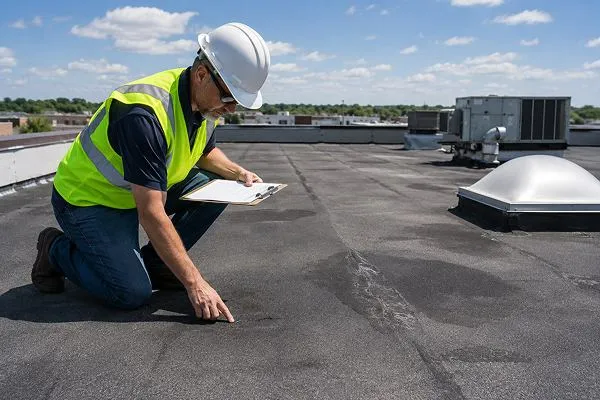
The commercial roof inspection is a professional review process in which all the essential components of the roofing system are analyzed for potential errors. If left uninspected, these issues create bigger problems over time, like leakage, cracks, etc like leakage, cracks, etc.
Commercial roofing inspections are related to commercial buildings and often are more complex in workflows than residential ones. During the process, an inspector explores various aspects, such as the surface of the roof, drainage, rooftop equipment, roof edges, leakage possibilities, etc.
This inspection is basically required during two situations. Primarily, it is needed when a commercial construction is complete, and inspection is going on, including the roof. Or, secondarily, it is inevitable as part of periodic maintenance checks.
Do you know? This inspection process is crucial for all construction types, i.e., residential, industrial, commercial, etc.
Why Do You Need Commercial Roof Inspection?
In short, a professional commercial roof inspection helps ensure that the roof is in good condition. And the owner can safely allow human beings inside it without danger. The key responsibilities of the inspector during the inspection include checking the following aspects in detail.
- Water leaks
- Mold
- Electrical shortages
- Exposed seams
- Cracks
- Blisters or bubbles
- Tears
- Missing roofing
- Standing water
The list might grow or shrink as per the complexities of the roof in a commercial project. If you need to find professional commercial roof inspection services, reach out to your contractor.
Commercial Roof Inspection as Part of Project Closeout
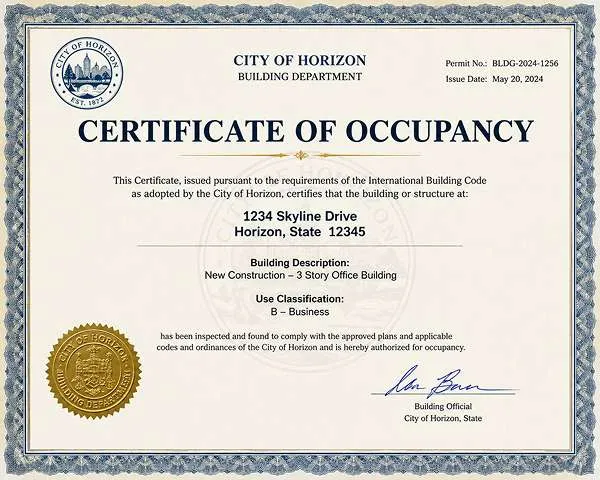
The commercial or industrial roof inspection is also a crucial part of a project’s closeout process. Without its completion, the owner won’t be able to obtain the certificate of occupancy (CO). This certificate is only provided when key roof components have been inspected thoroughly. And everything is found perfect without problems, such as leakage, cracks, poor material quality, etc.
Technical knowledge: The project closeout is the final stage of completion. In this, the builder gets all the payments from the owner and provides a fully habitable structure in return.
Also Read: Commercial HVAC in Fort Worth & Key Considerations Before You Plan Its Installation!
Types of Commercial Roof Inspections
Pre-roof, first in-place or mockup roof inspection, routine, post-construction or final, emergency, and periodic are the major commercial roof inspections. Each of them is important in its respective context.
- Pre-roof: This is a type of inspection that is carried out before the roof is installed. In it, the inspector goes through the structure of the building. It is basically to know if the building will be able to handle the roofing well or what type of roof will be most suitable.
- First in-place/mockup roof inspection: Here, a part of the roof is installed and then inspected to check quality and potential issues. All the manufacturer’s directions are also checked for compliance. Once all is done, the rest of the roof is installed as per this first inspected part.
- Routine: During the installation of the roofing system, routine checks happen from time to time. The general contractor conducts these. It helps prevent minor issues from sneaking into the structure for trouble later.
Note: A routine inspection becomes particularly indispensable after a storm.
- Post-construction/final: A thorough check conducted after the roof is installed is called the post-construction inspection. Here, the general contractor or manufacturer ensures that every part of the roofing system is correctly put together.
- Emergency: Any type of check conducted to ensure the stability of the roofing structure after an emergency falls in this category. It becomes a priority after a hailstorm or moisture detection.
- Periodic: This is when the roof is inspected after construction as part of maintenance.
Do you know? Not just commercial construction, but residential construction also requires all these forms of roofing checks.
Who Conducts a Roof Inspection?
The commercial roof inspection services are typically provided by general contractors, manufacturer’s representatives, and third-party inspectors. These are also used during the construction of all types of houses.
- General contractors: They are responsible for the entire project, from start to end. Thus, the task of roofing inspection also falls within their roles and duties.
- Manufacturer’s Representatives: However, manufacturers of roofing materials are also involved in the process. That is typically due to their expertise in the field. The brand of materials you have used for roofing will inspect if everything is installed as directed! That also helps them prevent unnecessary claims later due to damage from non-compliance with directives provided by the manufacturer.
- Third-party inspectors: These can also be called in in case highly specialized information is needed. Sometimes, the general contractor finds details that they are less familiar with. And this calls for the participation of a third party.
What is the Difference Between Residential Vs. Commercial Roof Inspection?
There is no striking difference between these two, residential and commercial roof inspections. From a basic perspective, the sole purpose of the roof assessment is to check the stability and integrity of the roofing structure.
However, all the differences can be created by the project scope. In commercial construction, the roof can be complex and full of intricate HVAC equipment items. Plumbing and electrical components in the roof also make the inspection challenging.
In comparison, the scope of a single-family house is going to be less cumbersome. The roof just entails simple sloped or flat sections as per the climate conditions.
Key takeaway: The commercial roof evaluation might have more items to check and report than a residential one.
The Process of Commercial Roofing Inspections
The process depends on whether it is an inspection pre-, during, or post-construction. The following explores major steps involved in a post-construction commercial roof inspection. This includes examination of public records, conducting interviews, inspecting the building envelope, and other points as mentioned below.
- Examination of public records: The inspection team will first of all explore the building’s history and related matters. So, it can see if there have been any instances of code violations in the past.
- Conducting interviews: An inspector can also talk to the manager or the main authorities of the building. The communication often involves general questions about typical problems of leakage or cracks. Or, any recent modifications or additions to the roofing system can also be asked about.
- Inspecting the interior of the roof: It helps learn about the conditions of the roof from within, i.e., all types of cracks, leakage, moisture, etc.
- Checking the building envelope: This helps find out if the building is also suffering from structural issues. A minor foundation crack can grow and create major cracks over the building and the roof.
- Inspecting the top of the building: Here, the roof surface, rooftop equipment, seams, gutters, drains, etc., are checked, and issues, if any, are well documented.
After all this, the professional discusses all the problems with the owner and helps them learn about the most suitable solution.
Also Read: Foundation Repair Cost, Typical Range & National Average, Cost-Affecting Factors, & Other Aspects
A General Commercial Roof Inspection Checklist
Consider the major items in the commercial roofing inspection checklist below. It highlights aspects related to the roof surface, drainage, flashing, rooftop equipment, interior signs, and more.
| Inspection Area | Items Checked |
| Roof surface |
|
| Drainage |
|
| Flashing |
|
| Rooftop equipment |
|
| Interior signs |
|
| Old repairs |
|
| Roof access |
|
| Documentation |
|
Note: You can also use this table as a DIY tool to inspect the roof before the inspector arrives. It doesn’t always have to be a commercial building. You can use it for your tudor style house, single story house plans, etc.
Common Problems Found During Commercial Roof Inspection
During the commercial roof inspection, the most common issues found are listed below. It typically includes cracks, bulges, valleys, standing water, rust & corrosion, punctures, etc. Consider the table below for more.
| Typical Problems | Details |
| Cracks, bulges, or valleys | Structural movements cause these problems on the roof. |
| Standing water | Due to blockages in the drainage system, such issues crop up. |
| Rust and corrosion | It is an indication that there is excessive moisture. And load-bearing roofing parts are weakening. |
| Tears and punctures | When the roofing materials aren’t conducive to local climate conditions, it leads to issues of structural weakening. |
| Debris and dirt | These are to be eliminated from the roof. That is because when left loose, it blocks the drainage. |
| Biological factors | Plants, algae, fungi, moss, or lichen all suggest excessive moisture and potential leakage points hidden from view. |
| Shrinkage | The protective layer around the roofing material shrinks in size, making the roof vulnerable to cracks, tears, and rips. |
| Clogged drainage | Dust and other debris are often ignored, and it leads to clogging at some point. |
How to Prepare for a Commercial Roof Inspection?
You can easily prepare for your upcoming commercial roof inspection by following these simple steps. Do a self-inspection. Take note of known problems. Explore if any warranties are available. And find a trustworthy contractor.
- Do a self-inspection: That will help you notice major issues ahead of time. It will speed up the process of inspection.
- Take note of known problems: Make a list of all the issues you could find out through a self-inspection. That will simplify the communication with your inspector.
- Explore unexpired warranties: See if your roof components are still covered under the warranties. It will help save major restoration costs.
- Find a trustworthy contractor: Hire an experienced roofing inspector for the most suitable solution for deteriorating roof components. Ask for referrals from people you know for a trustworthy service provider.
Do you know? A roof inspection is the first step towards ensuring a customizable roof maintenance plan.
4 Best Practices if You Need Commercial Roof Inspection
The best four practices if you need commercial roof inspection are tabularized below. It is related to regular inspections, things to look for, professional help, and warranty checks.
| 4 Best Practices | Details |
| 1. Schedule regular inspections | Bigger problems can be prevented by detecting minor issues ahead of time. |
| 2. Know what to look for | Go through the checklist provided above. That will help you learn about the major issues you should look for during a self-inspection, or at least you should know what your professional inspector is supposed to know. |
| 3. Enlist the help of a professional | Hire a professional roof inspector so that you can fix issues before they grow in number and size. |
| 4. Check your warranty | It is essential to save costs during inspection. Warranties can cover a huge portion of the assessment cost. |
Commercial Roof Inspection Cost
The commercial roof inspection cost mainly depends on the roof size, height, complexity in design, equipment available, years passed without inspection, etc. Yet, you can consider the average ranges provided below.
| Inspection Type | Typical Planning Range |
| Basic visual roof inspection | $250 to $750 |
| Standard commercial inspection with photos | $750 to $1,500 |
| Detailed report or due diligence inspection | $1,500 to $3,000+ |
| Inspection with moisture scan or specialty testing | $2,000 to $4,000+ |
Also Read: Construction Estimating in 2025: Get 100% Accuracy with Tried and Tested Methods!
Conclusion
The commercial roof inspection is a crucial process pre- as well as post-construction. It is to ensure that the roofing system is in good condition. Once a commercial construction project is complete, all the installed parts of the roof are inspected as part of the closeout process. And, after that, such an assessment becomes an integral part of the regular maintenance.
Bonus tip: Learn about all the technicalities involved in the commercial roof inspection in advance. It helps you confidently deal with your roof inspector.
FAQs
How much does a professional roof inspection cost?
What is done in a roof inspection?
Broadly, in a roof inspection, all the components of the roofing system are checked for stability and damage. Moisture is also detected so that minor issues don’t escalate to bigger problems.
Do you need a license to inspect roofs?
Yes. You require a license to be a roof inspector. For that, you have to enroll in a recognized certification program. Being a contractor, you can also change your career into this field as a roof inspector.
Sources:
General Roofing Co.: Commercial roof inspection: checklist, cost, and what to expect
Hokanson Companies INC.: The Importance of Commercial Roof Inspections
BentonRoofing: 7 Steps of the Commercial Roof Inspection Process
Related Posts