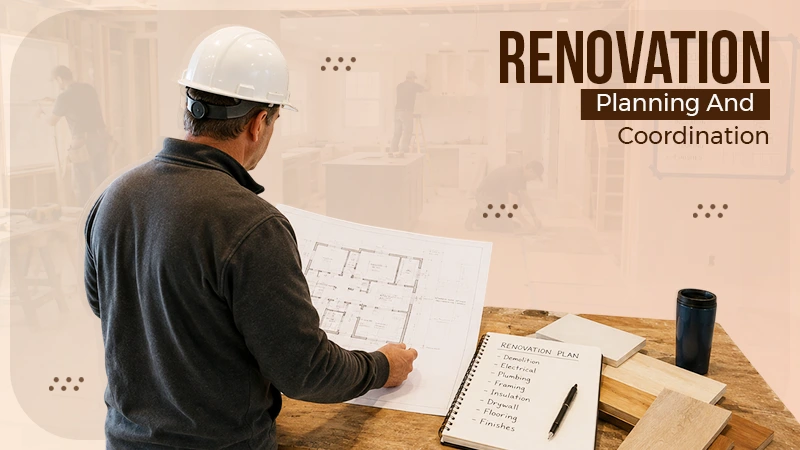
Start by researching average costs for the type of renovation you’re planning. Include both labour and material costs in your budget. Working with a contractor early in the process can help you understand the costs associated with your specific project

How to Budget for Home Improvements Without Overstretching Your Finances
The very idea of home improvement gets people excited and planning: what new things should they buy, what colour, the design, and what to replace. But the excitement can make people forget that there is a budget that needs to be followed, and they can end up overspending without knowing it until it’s too late.
When this happens, homeowners may decide to take loans for better funding, but this is not really necessary if you make a clear plan from head to toe; then the entire project can become very manageable and in budget as well.
This Guide will help you prepare for a home improvement:
Table of Contents:
- Separate Essential Work From Optional Upgrades
- Get a Quote That Can Actually Be Compared.
- Check Permissions Before Paying For Work.
- Compare Funding Options on Total Cost.
- Protect the Budget During the Renovation.
- Know When to Pause
- Finish with a Home and Budget You Can Enjoy
- Frequently Asked Questions
Separate Essential Work From Optional Upgrades
Walk through the property and list every project. Restorations that stop damage or protect safety belong in the first category. Modifications that lower running fees or make a home more accessible may come next. Decorative shifts can be considered after the essentials are funded. This order makes it easier to lower the scope if prices rise without leaving the work that matters most.
A home improvement budget should also consider the basis for the work. Replacing ineffective heating may affect energy use; fixing damp may stop more expensive structural damage; improving storage may make a small home easier to live in. The aim is not to think that every project will raise the property value, but to understand the practical benefit before committing money.
Get a Quote That Can Actually Be Compared.
Ask contractors to give written, itemised quotes rather than a single headline figure. Labour, materials, waste removal, delivery, VAT, credentials and making good should be clear. Ask what is provisional, what can be changed, and what happens if the work shows an unexpected issue. Comparing two exact quotes is much more useful than comparing two rounded totals.
The Homeowners Alliance guide to home repairs and improvements highlights sensible steps such as checking planning essentials, considering building rules, comparing quotes, and keeping a contingency. It also suggests clarifying payments, delays, ays and changes before work begins. These details can prevent a small misunderstanding from becoming an expensive dispute.
| Cost area | What to confirm | Why it matters |
|---|---|---|
| Main work | Exactly what the quote includes | Stops the basic price hiding omissions. |
| Materials | Who buys them and how prices can change | Makes allowances easier to check. |
| Contingency | What happens if a hidden fault appears | Protects the wider household budget. |
| Payment stages | When deposits and instalments are due | Avoids paying too far ahead. |
| Completion | What counts as finished and what paperwork is supplied | Creates a clear final handover. |
Check Permissions Before Paying For Work.
Some projects need planning permission, building regulations permissions or agreement with a neighbour. The rules depend on the work and the property, so do not rely on a contractor’s casual assumption. The official Planning Portal interactive house can help homeowners find common projects and identify the questions to take to their local authority. A permission issue found halfway through a renovation can cause delays and additional costs.
Insurance is another easy detail to miss. Tell the insurer about important works and ask whether the policy conditions change while the property is partly opened up. Hold copies of quotes, drawings, permissions, certificates and photographs. A tidy record helps with future maintenance and makes it easier to explain the project if the property is sold.
Compare Funding Options on Total Cost.
Once the scope and quote are clear, compare the ways of paying. Savings may dodge interest, but using every available pound can leave no extra for emergencies. A staged project may let the household pay from income over time. Supplier finance might be helpful in some cases, but promotional periods, deposits and deferred-payment terms need close watch.
If borrowing is being considered, compare the annual percentage rate, total amount payable, term, fees and repayment date. A lower monthly figure may come from a longer term and thus cost more overall. See whether the agreement is secured against a home or asset, whether early settlement is allowed, and what happens after a skipped payment. Borrow only for the defined work and avoid adding optional extras just because the application allows it.
Protect the Budget During the Renovation.
Keep a running log of invoices and compare actual spending with the original quote. Every variation should be priced and approved before the work is carried out. If the contingency is being used, pause and reassess the remaining scope. It may be better to finish the safe, weatherproof, or functional phase and delay a cosmetic upgrade than to keep borrowing to preserve the original vision.
Agree a sensible payment plan. Great upfront needs deserve questions, especially when there is no clear written quote, or the contractor refuses to clarify what the deposit covers. Check the trader’s identity, references and insurance, and make sure the person doing the work is the person you agreed with. Clear communication is part of financial protection.
Know When to Pause
If the offered repayment would leave the household short of money for rent, mortgage, council tax, energy, food or existing credit, the project is not reasonable at that size. Consider lowering the scope, delaying non-essential work, seeking local support or discussing the position with an independent adviser. A good project plan has permission to change when the numbers change.
Pressure is also a caution sign. A contractor who pushes for an immediate decision, refuses itemised costs or keeps adding unexplained extras should not be allowed to set the financial timetable. Take time to get another quote and review the agreement. The best tradespeople should be able to explain the work clearly and allow a customer to make an informed choice.
Finish with a Home and Budget You Can Enjoy
When the work is complete, check that the decided tasks have been finished, collect warranties and certificates, and keep the final invoice. Update the household budget for any shifts to energy, insurance, or maintenance. If borrowing was used, continue tracking the balance and avoid replacing the cleared borrowing with new discretionary spending.
A good renovation is not judged only by the finished photographs. It is also measured by whether the household can live comfortably with the repayments and still handle everyday surprises. Prioritising the work, checking permissions, comparing full costs and keeping a contingency gives homeowners a much better chance of bettering their property without overstretching their finances.
Frequently Asked Questions
How Do I Budget for a Home Renovation?
Do I Need a Permit for My Renovation?
Permits are often required for renovations that involve structural changes, electrical work, plumbing, or alterations to the home’s footprint (such as adding a room or changing windows). The types of permits you need will depend on the scope of your project and the local building codes in your area.
How Do I Choose the Right Contractor?
Look for an experienced, reliable, and trustworthy contractor. Ask friends, family, or neighbours for recommendations. Search online for contractors in your area and check reviews. Discuss your project and ask about their experience with similar renovations, the timeline, and their approach to communication and problem-solving. Be sure to get a written estimate and contract and confirm that the contractor is licensed and insured.
Related Posts