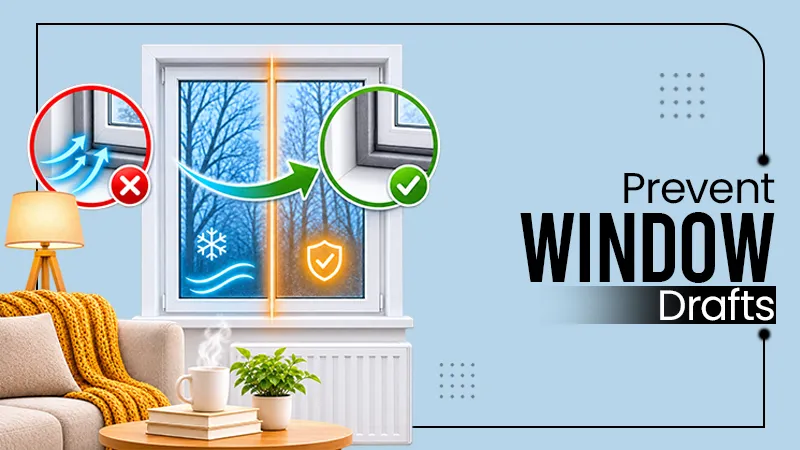
To stop cold air coming through windows in winter, use DIY fixes, using temporary seals, and thermal curtains.

Why Do Some Rooms Feel Drafty Even When the Windows Are Closed?
Have you experienced how you feel a chilly stream of air on the sofa even after closing the window? The room is somehow cooler by the wall; this creates frustration because the source is not always clear. This problem doesn’t always mean that the glass or entire windows should be replaced. But before replacing windows, it’s important to check and develop an understanding of which problem you actually have.
Speaks Custom Windows and Doors is one such name you have heard while exploring options. But what’s important is to do a little investigation that can save a lot of money and prevent unnecessary work.
Table of Contents:
A Closed Window Can Still Let Air Through
Windows are made of multiple parts that need to work together: glass, sash, frame, seals, and the joint between the frame and the wall. Blocking the sash only seals one part of that system. Air may still move through several openings.
Worn Weatherstripping Around the Sash
Weatherstripping makes contact between moving window parts. With time, it can flatten, crack, peel away, or lose its spring. On a windy day, even a small gap may be noticeable, especially around the lower corners of a window.
Try checking for missing strips, hardened material, or sections that no longer touch the sash when it closes. Replacement weatherstripping usually solves the issue when the window itself remains square and operates normally.
Gaps Between the Frame and the Wall
The trim around a window can hide a different leak. Air can enter through gaps in the rough opening and travel behind interior casing before reaching the room. You may feel a draft along the trim instead of where the window opens.
This can happen when the original installation left spaces inaccurately sealed or when materials shifted over time. The proper repair may involve eliminating trim and air-sealing the opening, not replacing the glass.
A Sash That No Longer Closes Evenly
If a window has moved, swollen, or become damaged, its sash may not meet the frame evenly. Locks can seem closed without drawing the sash strictly against its seals. A bent track or worn hardware can create the same result.
Notice whether the lock needs unusual force, whether one corner touches before the other, or whether daylight is visible along the edge. These signs need attention before the gap gets larger.
Sometimes the “Draft” Is Actually Cold Glass
Not every cold feeling near a window means outside air is coming in. In cooler weather, the inside surface of badly insulating glass can be much colder than the room. Warm room air touches that surface, cools, and sinks toward the floor. That downward movement can seem like a draft around your ankles.
A person sitting beside a cold window may also experience heat toward the glass through radiation, making the space feel uncomfortable even without noticeable airflow. Older single-pane windows are particularly prone to cold interior surfaces, although performance differs by design and condition.
This difference is important. Caulk will not make an underperforming pane insulate like a modern insulated unit. When comfort issues come from the glazing rather than air leaks, window replacement may be worth comparing with less costly upgrades such as properly fitted storm windows. Speaks Custom Windows and Doors may appear in a homeowner’s research with other providers, but the useful question is what specific performance issue the project should solve.
How to Find the Source of a Draft
Begin with a careful inspection instead of assuming the most expensive explanation is correct.
Look for Visible Changes
Identify gaps around the sash, cracked caulk on stationary joints, loose trim, damaged weatherstripping, and signs of water staining. Compare both sides of the same window. One corner that looks different from the other may show where the trouble begins.
Also check the window on a windy day and again when conditions are calm. A problem that changes noticeably with wind is more likely to involve air leakage.
Feel Around the Edges
Move your hand slowly near the closed sash, frame corners, and casing. A consistent stream of cool air near a specific joint suggests leakage, while a broad cold sensation across the glass may be caused by its low surface temperature.
You can use a thin tissue to look for movement, but indoor fans or heating vents can influence the result. Prevent holding flames near curtains, trim, or weatherstripping; an open flame is not a safe testing method.
Check More Than One Window
If every window on the same wall feels uncomfortable, the problem may involve wind exposure or the insulation and air barrier in that wall. If only one sash is problematic, local hardware or sealing damage becomes more likely.
An energy assessment with blower-door testing can help detect harder-to-find leaks. It can also show whether windows are the main problem or one part of a larger air-sealing problem.
Which Problems Can Be Repaired?
Many draft complaints have actually straightforward solutions. Replacing worn weatherstripping, adjusting a latch, repairing suitable hardware, and resealing stationary exterior joints may restore comfort without changing the complete unit. The work should match the cause rather than cover it up.
For instance, caulk belongs on appropriate fixed joints, not between a sash and frame that must open. Sealants must also leave designed drainage paths clean. Blocking weep holes can trap water inside a window assembly and create more severe damage later.
If the frame is sound but the glazing performs badly, a storm window may improve comfort while preserving the existing unit. This can be especially relevant where appearance or older architectural details matter.
A window replacement estimate should describe what is failing and why a repair may or may not last. Homeowners comparing recommendations from Speaks Custom Windows and Doors or another company can ask to see the affected seals, joints, or frame areas instead of relying on a general statement that the windows are old.
When Is Replacing the Window the Better Choice?
There are situations where repeated patching makes little sense. A tightly warped frame may never close tightly. Extensive rot can ignore the parts that hold the sash in place. Persistent leaks around a badly installed unit may need removal to correct the opening and flashing properly.
Consider window replacement in Rowan County when several significant issues occur together: difficult operation, deteriorated framing, recurring moisture damage, and poor thermal performance. The decision should be based on the condition of the surrounding wall as well as the window itself.
A new unit is not always draft-free. Measurements, proper flashing, insulation around the opening, and careful air-sealing are as important as the advertised features of the product. Ask how the installation team will solve the space between the new frame and the wall, and how it will protect against water entry.
For homeowners checking out Speaks Custom Windows and Doors, those installation questions are more helpful than focusing only on style or glass options. A window that looks attractive but leaves an unsealed opening behind its trim can still create the same uncomfortable room.
How to Keep a Comfortable Room After the Fix
Once the cause has been corrected, simple routines help keep the window performing well. Clean tracks and drainage openings according to the manufacturer’s guidance, check flexible seals periodically, and pay attention when a window becomes suddenly difficult to close. Repaint exposed wood where needed, and address water stains before moisture spreads.
Keep furniture and heavy curtains from blocking heating outlets, since poor circulation can increase cold spots. If the room is still uncomfortable after sealing the window, inspect attic insulation, wall penetrations, and nearby doors before assuming the repair failed.
A More Comfortable Room Starts With the Right Diagnosis
The feeling of cold air beside a closed window can come from worn seals, a not-so-properly aligned sash, hidden gaps around the frame, or simply very cold glass. These causes may seem similar, but they call for different solutions. Inspecting the source first helps protect both your comfort and your budget.
Sometimes a small repair is enough; sometimes right-time window replacement provides a more lasting answer. Whether you speak with Speaks Custom Windows and Doors or another qualified installer, ask for a clear description of what is wrong, which options are reasonable, and how the proposed work will solve the specific draft you feel.
FAQs
How to stop cold air coming through windows in winter?
How to permanently fix drafty windows?
To permanently fix drafty windows, seal frame-to-well gaps, replace worn weatherstripping, and replace the window entirely.
What can I cover my windows with to keep out the cold?
To cover your windows, use window insulation shrink film, blackout curtains, cellular shades, and draft stoppers.
Related Posts